Centre Hikes Onion Buffer Stock Price 13% to ₹2,125/Quintal in Fifth Revision This Season
Despite five consecutive price hikes since May, the government has procured only around 2,000 tonne of onions for its 2026 buffer stock — even as speculative trading and a delayed kharif sowing add fresh uncertainty to the market.
The short answer
The Centre on July 4, 2026 raised the onion buffer stock procurement price by 13% to ₹2,125 per quintal, the fifth upward revision since the season opened in May. The move comes after a sluggish procurement campaign that has yielded only about 2,000 tonne since June 1, well short of target levels. While current supply conditions remain broadly stable, a delayed monsoon, speculative trader activity, and emerging export competition from Pakistan and China are clouding the near-term outlook.
Policy move
Fifth Price Hike in Weeks as Buffer Procurement Lags Badly
The government on July 4, 2026 revised the onion procurement price under the Price Stabilisation Fund to ₹2,125 per quintal, up 13% from the previous rate of ₹1,875 per quintal. This is the fifth successive hike since the 2026 buffer stock season began, with prices climbing from ₹12.70/kg at the outset to ₹15.80/kg on May 22, then to ₹16.50/kg on June 13, ₹17.30/kg on June 20, ₹18.75/kg shortly after, and now ₹21.25/kg.
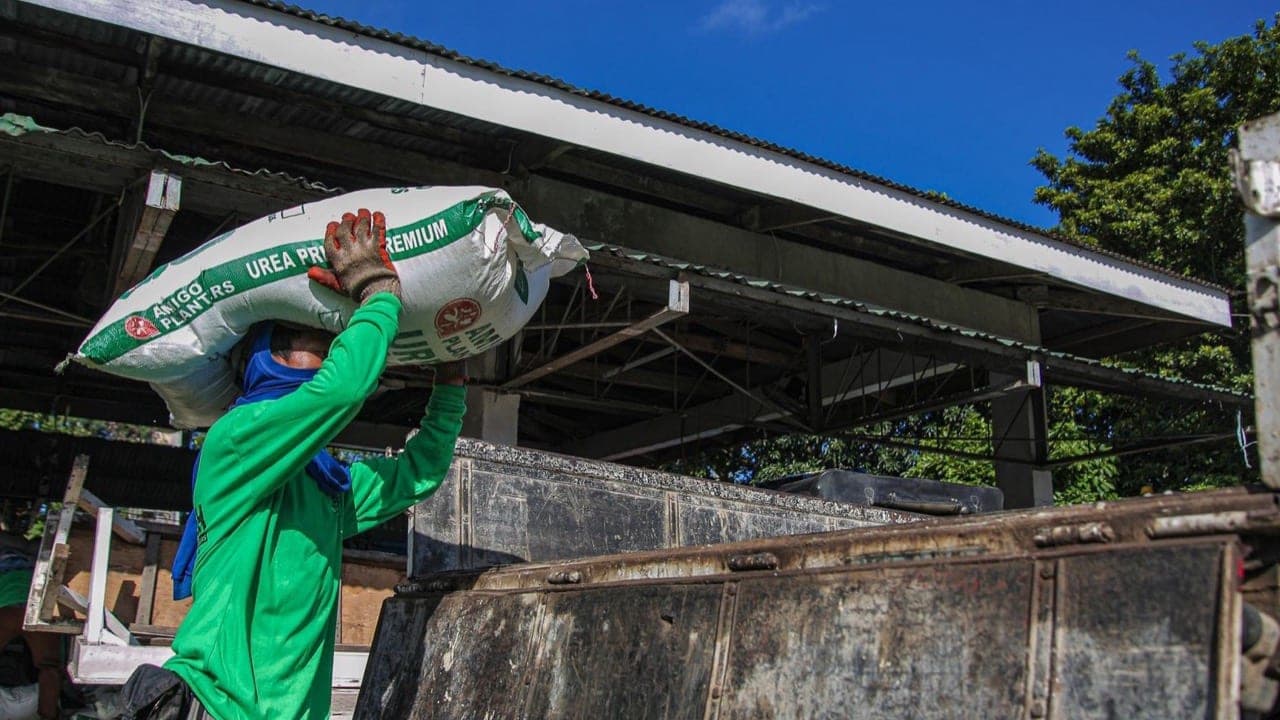
Despite this rapid escalation in the offer price, actual procurement has been negligible — only around 2,000 tonne have been purchased since June 1. Farmers and market participants appear to be holding back stocks, betting on further price appreciation, which has left the government's buffer-building programme significantly behind schedule.
The numbers
What the official figures actually say
India produced 30.8 million tonnes of onion in 2024-25.
That works out at 63.3 quintals an acre, a figure we derive from the published area and production because the department publishes no yield series for this crop. It is an average across every grower; what one acre gives depends on variety, season, irrigation and soil.
| Measure | India | Period |
|---|---|---|
| Production | 30.8 million tonnes | 2024-25 (Final Estimates) |
| Area | 1.97 million hectares | 2024-25 |
| Yield per acre | 63.3 quintals (15,633 kg/ha) | 2024-25, derived |
Compiled by IndianAgri from Horticulture Statistics Division, Department of Agriculture & Farmers Welfare, Ministry of Agriculture & Farmers Welfare, Government of India. Every figure on this page carries its originating department, its estimate round and the date we took it — see the full onion series, six years deep, by state.
Supply picture
Mandi Arrivals Robust, but Retail Prices Edge Up
The consumer affairs ministry has sought to reassure the market, stating that overall onion availability is not a concern at present and that any price increases should be seen as part of normal seasonal trends. Stock levels in the key producing states of Maharashtra, Madhya Pradesh and Gujarat remain adequate, with no signs of shortage in stored supplies.
At the national level, daily mandi arrivals remain strong at over 50,000 tonne, with Maharashtra alone contributing more than 30,000 tonne at an average modal price of around ₹18/kg. The all-India average retail price currently stands at ₹31/kg.
Better-quality stocks are reportedly being withheld from the market and are expected to be released during the lean season, a common seasonal pattern that tends to support prices in the interim.
Market dynamics
Speculative Buying Adds Heat Despite Muted Real Demand
A delayed monsoon and below-normal rainfall in parts of the country have sparked speculative buying among a section of traders, even though actual consumption demand in major urban centres remains subdued at prevailing price levels. Key production hubs — including Nashik in Maharashtra and parts of Madhya Pradesh — are witnessing this speculative activity, driven largely by expectations of a price rebound rather than any fundamental demand surge.
With the Second Advance Estimates of the Department of Agriculture & Farmers' Welfare pegging 2025-26 onion production at 307.37 lakh tonne, broadly matching the 307.67 lakh tonne recorded in 2024-25, the underlying supply base is not materially weaker year-on-year. However, the fear of a weather-induced shortfall later in the season is clearly influencing trader behaviour now.
Export watch
June Shipments Hold Steady, but Competition Looms from Pakistan and China
India's onion exports were broadly normal in June 2026, with approximately 1.50 lakh tonne shipped during the month. However, the trade expects export momentum to soften in the near term.
Cheaper fresh-crop onions from Pakistan and China are beginning to undercut Indian supplies in critical markets — including the Gulf, Sri Lanka and the Far East — putting pressure on export volumes and price realisations. Any sustained drop in export offtake would reduce one outlet for domestic surpluses, potentially weighing on farm-gate prices even as the government struggles to build its buffer.
Traders will be monitoring whether the current export pace can be maintained through July as competing supply builds in those markets.
Kharif outlook
Sowing Delays in Nashik and Karnataka Raise Crop Timing Concerns
The next crop cycle adds another layer of uncertainty. Kharif onion sowing in Maharashtra's Nashik region — the country's largest onion-producing belt — is running approximately 15 days late compared to normal, according to available reports. In Karnataka, sowing progress in the Chitradurga and Challakere belt is at roughly 60% of the normal pace.
These delays, if not recovered quickly, could push back the arrival of fresh kharif onions and extend the lean period, tightening near-term availability further. For policymakers, this reinforces the urgency of building an adequate buffer stock now — even at the higher procurement price — to have a credible market intervention tool ready when seasonal price pressures typically peak.
Why it matters
The government's difficulty in building buffer stocks — despite five successive price hikes in under two months — signals that farmers and traders are holding back supply in anticipation of further price gains, a dynamic that could amplify retail price volatility as the lean season approaches. With kharif sowing running 15 days late in Nashik and at roughly 60% of normal pace in Karnataka's key belts, any monsoon disruption could tighten availability later in 2026. Policymakers and commodity traders should watch mandi arrival volumes and export demand closely, particularly as cheaper competing crops from Pakistan and China erode India's share in Gulf and Far East markets.
Frequently asked
What is the new onion buffer stock procurement price and when does it take effect?
The revised procurement price is ₹2,125 per quintal (₹21.25/kg), up 13% from the previous rate of ₹1,875 per quintal. It came into effect from July 4, 2026.
How much onion has the government procured for the 2026 buffer stock so far?
Only around 2,000 tonne have been procured since June 1, 2026, despite this being the fifth upward revision in the purchase price since the season began.
What is the current all-India retail price of onions?
The all-India average retail price of onions stands at ₹31 per kg, according to the consumer affairs ministry.
Why are onion exports expected to slow down in the near term?
Traders expect export momentum to ease because cheaper fresh-crop onions from Pakistan and China are undercutting Indian supplies in key markets such as the Gulf, Sri Lanka and the Far East.
Source
This report summarises and analyses coverage from The Hindu BusinessLine — Agri Business. The analysis and India context are IndianAgri's own.
Edited by Devendra Kumar Jha. How we report, source and correct: editorial policy. Spotted an error? Tell us.