Green Manure: The Biological Blueprint for Restoring India's Soil Fertility
As input costs rise and soil health deteriorates, green manure is gaining attention as a cost-effective, nature-based strategy that builds soil biology, fixes nitrogen, and cuts dependence on synthetic fertilizers.

Expert insights
Aniish Shah · Founder and CEO, Earth Harvests
Aniish Shah is founder and CEO of Earth Harvests, an agri-business and agri-tech venture, with a background spanning media, retail, and sustainability.
The short answer
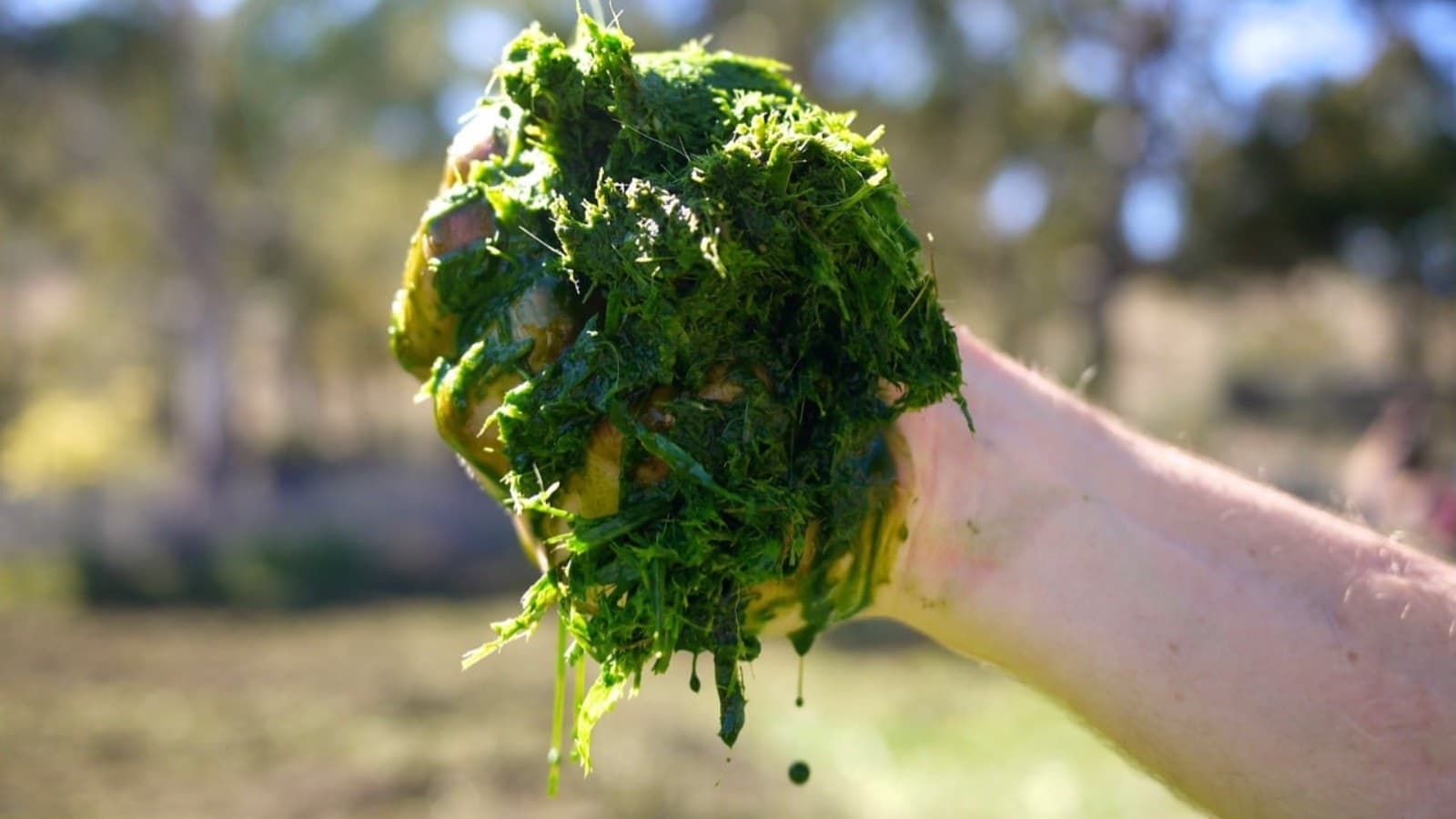
Green manure — a practice of growing and incorporating diverse crop mixes into soil — offers Indian farmers a biological alternative to synthetic fertilizers by restoring organic matter, stimulating microbial activity, and fixing nitrogen naturally. Leguminous green manure crops alone can contribute 50–175 kg of nitrogen per hectare, sharply reducing fertilizer bills. Earth Harvests, an agri-business and agri-tech venture, advocates a 5 kg diversity-mix approach covering grains, pulses, oilseeds, and flowering crops, with biomass incorporation after approximately 30 days.
The soil crisis
Why Conventional Fertility Management Is Falling Short
Decades of heavy synthetic fertilizer use have fed crops while leaving the soil itself increasingly depleted — lower in organic matter, weaker in structure, and diminished in microbial life. The distinction matters: conventional fertilizers are designed to deliver nutrients directly to plants in a single season, but they do little to rebuild the living ecosystem beneath the surface that sustains long-term productivity.
Green manure flips this logic. Rather than treating soil as an inert growing medium, it treats soil as a living asset — one that, when properly nourished, continuously cycles nutrients, retains moisture, and resists disease. For Indian farmers facing rising input costs and increasingly erratic monsoons, the shift from crop-feeding to soil-feeding has direct economic implications.
How it works
The Science Behind Green Manure's Soil Benefits
Green manure functions through a combination of biological and physical mechanisms working simultaneously across the soil profile:
- Nitrogen fixation: Leguminous species in the mix fix atmospheric nitrogen, contributing an estimated 50–175 kg per hectare — a direct substitute for purchased urea.
- Organic matter enrichment: As the biomass decomposes, it returns carbon, nutrients, and biological material to the soil, improving structure and water-holding capacity.
- Microbial stimulation: A diverse root network supports billions of beneficial microorganisms that drive nutrient cycling and suppress soil-borne pathogens.
- Weed suppression: Dense ground cover physically crowds out weeds, reducing the need for herbicide applications.
These benefits compound over successive seasons, making green manure a long-term investment rather than a one-time input.
The practice
Earth Harvests' 5 kg Diversity Rule Explained
Earth Harvests recommends what it calls the 5 kg Diversity Rule — sowing a balanced seed mixture drawn from four crop categories: grains, pulses and legumes, oilseeds, and flowering and spice crops. The logic is ecological: a monoculture green manure crop delivers fewer biological benefits than a multi-species mix that mimics natural plant communities.
This diversity creates a more complex root architecture, supports a broader range of soil microorganisms, and improves nutrient cycling across different soil depths. After approximately 30 days of growth, the standing biomass is incorporated back into the soil — returning the carbon, nutrients, and microbial inoculants the crop has accumulated — before the primary crop is sown.
The approach is designed to be accessible: low seed cost, minimal management, and no requirement for specialised equipment.
The economics
Soil as a Farm Asset, Not a Farm Cost
The economic case for green manure rests on a straightforward input-substitution argument. If leguminous cover crops reliably fix 50–175 kg of nitrogen per hectare, the savings on synthetic fertilizer alone can justify the practice — particularly as urea prices remain volatile and subsidy reform continues to be debated in policy circles.
Beyond nitrogen, improved soil water-holding capacity reduces crop losses during dry spells, while suppressed weed and disease pressure lowers expenditure on herbicides and fungicides. These are recurring benefits that accumulate with each cycle of use.
Healthy soil is not an input — it is an asset. This framing is central to the regenerative agriculture argument: that investing in soil biology today reduces external input dependency tomorrow, improving both farm resilience and long-term profitability.
Why it matters
With synthetic fertilizer costs squeezing farm margins and soil degradation threatening long-term productivity across India, green manure presents a financially viable, ecologically sound lever for smallholders and large farms alike. The nitrogen-fixation potential of 50–175 kg per hectare could meaningfully offset urea dependency if adopted at scale. Policymakers looking for low-cost soil-health interventions and agri-businesses building regenerative input portfolios would do well to track adoption trends in this space.
Frequently asked
How much nitrogen can green manure crops fix per hectare?
Leguminous green manure crops can contribute between 50 and 175 kg of nitrogen per hectare, according to Earth Harvests, significantly reducing the need for synthetic fertilizers.
What crops are included in the Earth Harvests green manure mix?
Earth Harvests recommends a 5 kg diversity seed mix comprising four crop categories: grains, pulses and legumes, oilseeds, and flowering and spice crops, to maximise soil biological activity.
How long does green manure take before it is incorporated into the soil?
After approximately 30 days of growth, the green manure biomass is incorporated back into the soil, returning carbon, nutrients, and microbial life before the primary crop is planted.
Beyond nitrogen, what other soil benefits does green manure provide?
Green manure improves soil structure, increases water-holding capacity, stimulates microbial activity, suppresses weeds, and supports beneficial microbial populations that help reduce soil-borne disease pressure.
This is an original IndianAgri report. The analysis and India context are IndianAgri's own.