India Imports 25.08 LT Urea, 7.11 LT DAP in Q1 FY27 as Government Diversifies Fertiliser Sources
India's April–June fertiliser import data reveals heavy reliance on overseas urea and DAP, even as New Delhi inks long-term supply deals with Saudi Arabia and Russia to reduce dependence on China.
The short answer
India imported 25.08 lakh tonnes of urea and 7.11 lakh tonnes of DAP during April–June of the current fiscal to bridge the domestic supply gap, against a Q1 domestic production of 115.72 lakh tonnes. The government has signed long-term agreements with Saudi Arabian suppliers for roughly 31 lakh tonnes of DAP annually and with Russian suppliers for about 26.50 lakh tonnes of DAP/NPK fertilisers this year. These moves come as China has reportedly withheld exports of specialty fertilisers to India, prompting active sourcing from Belgium, Egypt, Germany, Morocco, and the USA.
Q1 Supply Picture
Imports Plug a Wide Domestic Gap in the June Quarter
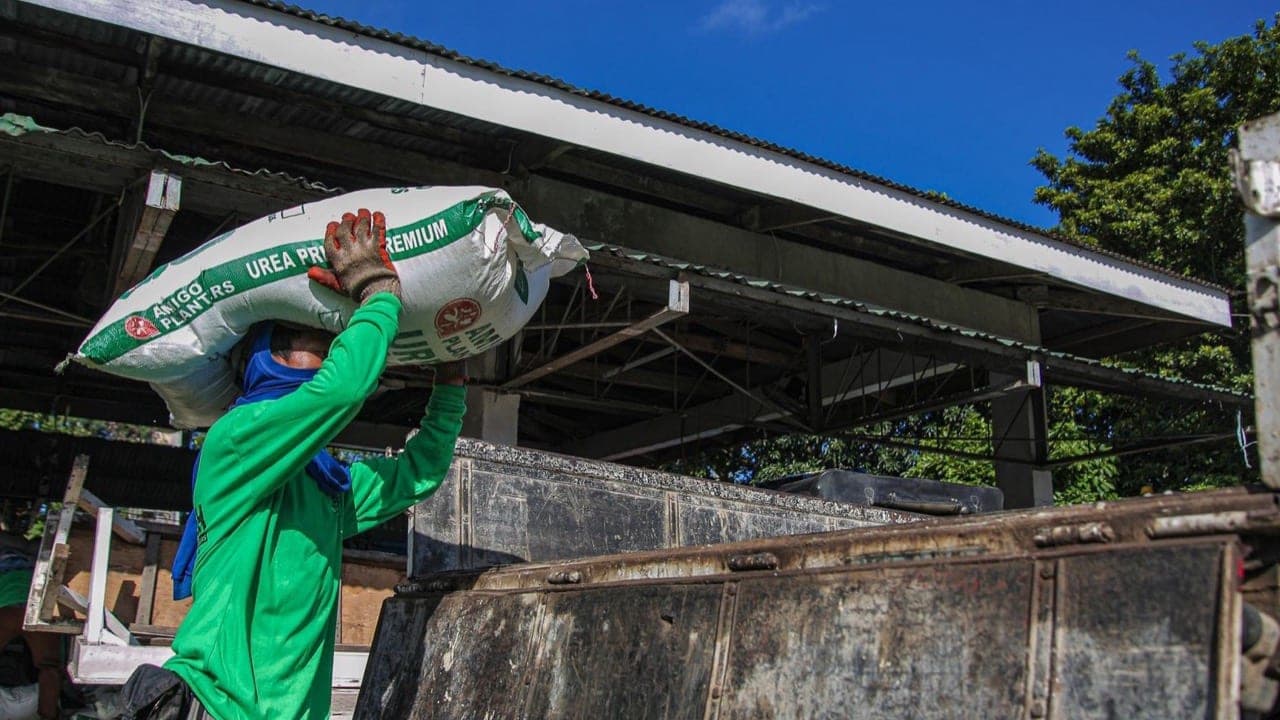
India's fertiliser supply chain leaned heavily on overseas procurement during the first quarter of the current fiscal. According to data presented in a written reply to the Lok Sabha by Chemicals and Fertilizers Minister J P Nadda, the country brought in 25.08 lakh tonnes of urea and 7.11 lakh tonnes of DAP between April and June to meet domestic agricultural demand.
Domestic production offered only partial cover. Total fertiliser output for Q1 stood at 115.72 lakh tonnes, with urea accounting for 71.55 lakh tonnes and DAP a relatively modest 9.84 lakh tonnes — figures that highlight the structural shortfall in phosphatic fertiliser manufacturing that imports are tasked to fill every season.
Full-Year Context
FY26 Import Volumes Underscore Structural Dependence
Zooming out to the full 2025-26 fiscal year sharpens the picture of India's fertiliser import reliance. Urea imports for the year totalled 103.50 lakh tonnes, while DAP imports reached 61.94 lakh tonnes — volumes that dwarf Q1 figures and confirm that overseas sourcing is not a seasonal fix but a structural feature of India's nutrient supply chain.
Total domestic fertiliser production for 2025-26 stood at 517.74 lakh tonnes, a figure that, while substantial, has not been sufficient to insulate the country from global price and supply volatility. The combination of high import dependency and geopolitical flux — particularly around Chinese export policy — has pushed the government to rethink its sourcing strategy fundamentally.
While China has reportedly withheld exports of specialty fertilisers to India, Indian companies have been actively diversifying and sourcing water soluble fertilisers from alternative suppliers in Belgium, Egypt, Germany, Morocco and USA to offset the shortfall caused by reduced imports from China.
The China Factor
Beijing's Export Curbs Accelerate India's Sourcing Pivot
A key trigger for India's intensified diversification push has been China's reported withholding of specialty fertiliser exports. Minister Nadda confirmed that Indian companies have responded by actively sourcing water-soluble fertilisers from alternative suppliers in Belgium, Egypt, Germany, Morocco, and the USA to offset the reduction in Chinese supplies.
The Department of Fertilizers has also engaged Indian Missions abroad to scout additional supply origins, with an explicit objective of reducing dependence on any single country. The minister described these efforts as part of "sustained efforts to diversify import sources to mitigate risks arising from global supply chain disruptions" — a posture that signals New Delhi is treating fertiliser security on par with food security in its strategic calculus.
Long-Term Deals
Saudi Arabia and Russia Anchor India's Fertiliser Security Architecture
To lock in supply beyond the spot market, the government has facilitated a series of long-term commercial agreements between Indian fertiliser companies and key overseas producers:
- Saudi Arabia: Long-term agreements (LTAs) finalised for the annual supply of approximately 31 lakh tonnes of DAP to India.
- Russia: Indian companies have contracted about 26.50 lakh tonnes of DAP/NPK fertilisers from Russian suppliers for the current year.
- MOP (Muriate of Potash): Agreements covering 4.80 lakh tonnes have been concluded with suppliers in Russia, Germany, and Turkmenistan.
These arrangements, underpinned by engagement through Indian diplomatic missions, are designed to insulate domestic availability from the kind of sudden supply shocks — whether driven by geopolitics, logistics, or currency movements — that have periodically disrupted Indian farm input markets.
Why it matters
India's fertiliser import bill remains substantial — 103.50 lakh tonnes of urea and 61.94 lakh tonnes of DAP were imported in 2025-26 alone — underscoring the country's continued structural dependence on global supply chains. The long-term agreements with Saudi Arabia and Russia, combined with MOP deals covering 4.80 lakh tonnes from Russia, Germany, and Turkmenistan, signal a deliberate pivot towards supply-chain resilience. For farmers, traders, and agri-input businesses, the key watch-point is whether these diversification arrangements translate into stable domestic availability and price moderation ahead of the rabi season.
Frequently asked
How much urea and DAP did India import in the April–June quarter of FY27?
India imported 25.08 lakh tonnes of urea and 7.11 lakh tonnes of DAP during April–June of the current fiscal, according to data shared by Chemicals and Fertilizers Minister J P Nadda in the Lok Sabha.
What was India's total fertiliser production in Q1 FY27?
Total fertiliser production stood at 115.72 lakh tonnes in the first quarter (April–June) of the current fiscal, comprising 71.55 lakh tonnes of urea and 9.84 lakh tonnes of DAP, among other fertilisers.
Why is India diversifying its fertiliser import sources away from China?
China has reportedly withheld exports of specialty fertilisers to India. In response, Indian companies are sourcing water-soluble fertilisers from alternative suppliers in Belgium, Egypt, Germany, Morocco, and the USA, while the government has engaged Indian Missions abroad to identify further options.
What long-term fertiliser supply agreements has India signed recently?
Indian fertiliser companies have finalised long-term agreements with Saudi Arabian suppliers for about 31 lakh tonnes of DAP annually, with Russian suppliers for about 26.50 lakh tonnes of DAP/NPK this year, and for 4.80 lakh tonnes of MOP from Russia, Germany, and Turkmenistan.
Source
This report summarises and analyses coverage from The Hindu BusinessLine — Agri Business. The analysis and India context are IndianAgri's own.