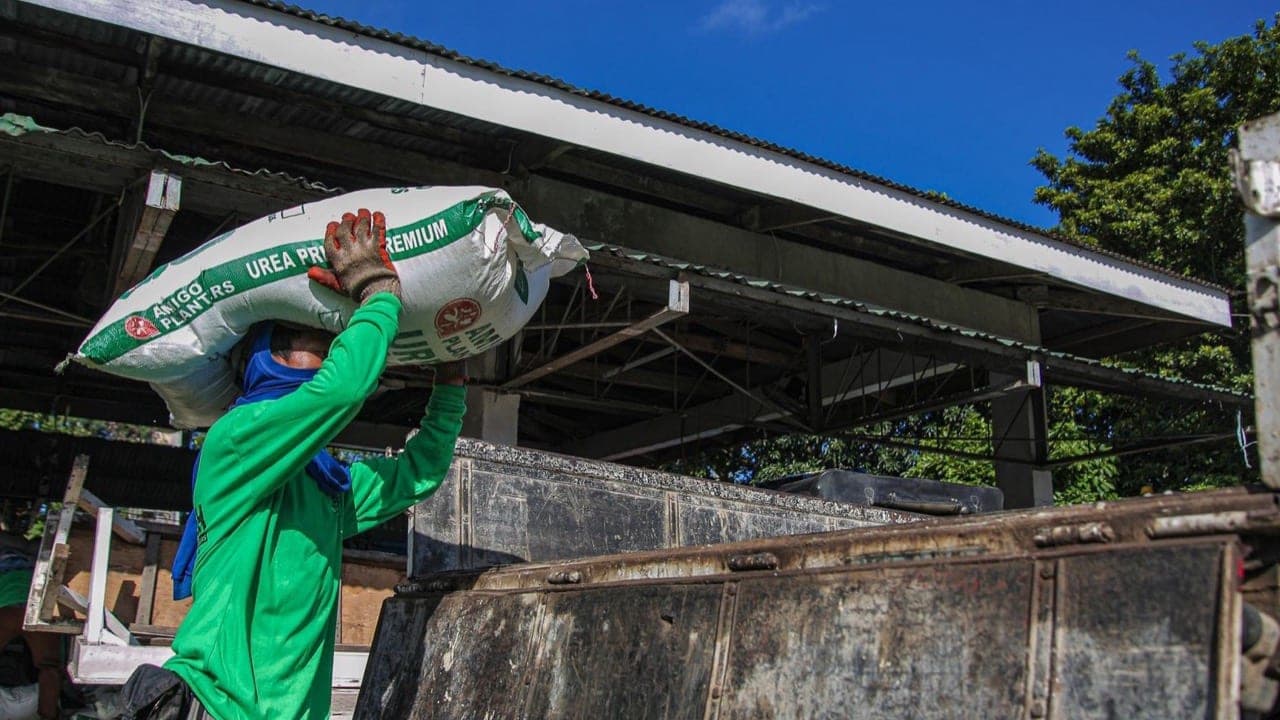
India's Urea Import Offers Fall 12% as Global Fertilizer Market Tightness Eases
State-run RCF received urea bids 12% below June purchase prices, with offers ranging from $390.25 to $435.5 per tonne — a signal that war-driven supply disruptions in global fertilizer markets may be loosening.
The short answer
India's state-run Rashtriya Chemicals & Fertilizers Ltd. received urea import offers roughly 12% below its June purchase price, with bids ranging from $390.25 to $435.5 per tonne for both coasts. The development suggests that war-related tightness in global fertilizer supply chains is beginning to ease, though the Strait of Hormuz — a critical conduit for fertilizer trade — remains well below normal vessel traffic. India had paid as much as $959 per tonne as recently as April 2026, nearly double pre-war levels.
Market signal
Bids Come In Well Below Recent Purchase Levels
India's state-run Rashtriya Chemicals & Fertilizers Ltd. (RCF), which procures urea on behalf of the government, has received import offers markedly below what the country last paid. According to people familiar with the matter — who declined to be named given the commercial sensitivity of the information — the west coast tender for 1 million tonnes drew offers totalling approximately 3.1 million tonnes, with prices quoted between $393.65 and $435 per tonne.
The east coast tender for 700,000 tonnes attracted submissions of 2.4 million tonnes, with bids ranging from $390.25 to $435.5 per tonne. The strong oversubscription on both tenders — more than three times the required volume on the west coast — underscores how quickly global supply sentiment has shifted. The fertilizer ministry did not respond to queries sent after office hours.
Price trajectory
From $959 a Tonne in April to Less Than Half by June
The speed of the price correction has been striking. India paid as much as $959 per tonne for urea supplies in April 2026 — nearly double pre-war levels — as conflict-related supply disruptions tightened the global market sharply.
By the June tender, prices had already crashed to less than half that level as global supply eased and demand softened. The current round of offers, arriving approximately 12% below even those June prices, suggests the downward trajectory is continuing. For context, the present bid range of roughly $390–$435 per tonne represents a dramatic unwinding from the April peak, though prices remain above pre-conflict benchmarks. The pace of adjustment will be closely watched by India's Department of Fertilizers, which manages procurement subsidies.
Supply chain risk
Strait of Hormuz Remains the Key Wild Card
Despite the price relief, structural risks persist. Vessel traffic through the Strait of Hormuz — a critical artery for global fertilizer trade — has remained well below normal since the war broke out in February, according to the source report. The waterway's disruption was central to the supply squeeze that drove prices to record highs earlier this year.
US-Iran peace talks, which could help normalise traffic through the strait, remain stalled, with both sides continuing to assert control over the crucial passage. Until shipping through Hormuz stabilises, the fertilizer market's recovery remains contingent on alternative supply routes and restocking by non-affected producers. Any fresh escalation could rapidly reverse current price trends, making procurement timing a strategic call for Indian importers.
India's exposure
As a Major Importer, India Has Much Riding on Sustained Relief
India is among the world's largest urea importers, making global price swings directly consequential for both the government's subsidy outlay and farm-level input costs. The government provides urea to farmers at highly subsidised rates, with the Centre absorbing the difference between market procurement prices and the controlled retail price — a burden that ballooned when import costs nearly doubled during the April price spike.
A sustained decline toward the lower end of current bid ranges would provide meaningful fiscal relief and could support a more stable input cost environment for farmers entering the rabi crop season. However, final purchase prices from this tender round are not yet confirmed, and the spread between the lowest and highest current bids — roughly $45 per tonne — suggests significant uncertainty remains in supplier pricing.
Why it matters
For India — one of the world's largest urea importers — a sustained decline in import prices could ease the government's fertilizer subsidy burden and reduce input costs for farmers ahead of the rabi season. However, with peace talks between the US and Iran stalled and Strait of Hormuz traffic still suppressed, the market remains fragile. Policymakers and commodity traders should watch whether final procurement prices lock in closer to the lower or upper end of the current bid range, and whether Hormuz normalisation accelerates further price corrections.
Frequently asked
By how much have India's urea import offers fallen compared to June 2026 purchase prices?
India received urea import offers approximately 12% below its June 2026 purchase price, with bids ranging from $390.25 to $435.5 per tonne depending on the coast.
What was the highest price India paid for urea imports, and when?
India paid as much as $959 per tonne for urea supplies in April 2026, a level described as nearly double pre-war prices.
Which Indian entity manages urea imports on behalf of the government?
Rashtriya Chemicals & Fertilizers Ltd. (RCF), a state-run producer, imports urea on behalf of the Indian government.
Why did global urea prices spike so sharply, and what risks remain?
Prices spiked due to war-related supply disruptions, particularly reduced vessel traffic through the Strait of Hormuz — a key conduit for fertilizer trade. US-Iran peace talks remain stalled, keeping the risk of renewed disruption alive.
Source
This report summarises and analyses coverage from The Hindu BusinessLine — Agri Business. The analysis and India context are IndianAgri's own.