Retail Inflation Hits 4.38% in June, Highest Since December 2024; Ginger Surges 50% as Food Prices Cross 5%
India's CPI inflation climbed to a six-month high of 4.38% in June, with food inflation breaching the 5% mark on the back of sharp price spikes in ginger and tomatoes, even as potatoes and cumin offered some relief.
The short answer
India's retail inflation rose to 4.38% in June 2025 — its highest since December 2024 — as food inflation climbed to 5.32%, driven primarily by ginger prices surging 50.41% and tomatoes rising 31.92% year-on-year. Rural areas bore a heavier inflationary burden, with food inflation at 5.45% compared with 5.09% in urban centres. Potatoes, peas, and cumin recorded price declines, providing partial relief to consumers.
The headline
Inflation Returns to Six-Month High as Food Prices Accelerate
India's Consumer Price Index (CPI)-based retail inflation climbed to 4.38% in June, up from 3.93% in May, marking the sharpest reading since December 2024, when inflation stood at 5.22%. The fresh acceleration was led by food prices, which crossed the psychologically significant 5% threshold after holding below it in recent months.
Food inflation rose to 5.32% in June from 4.78% in May — its highest since January 2025, when it had reached 5.97%. The uptick signals a renewed pressure point for household budgets and underscores the sensitivity of India's inflation basket to supply disruptions in perishable commodities.
The farm basket
Ginger and Tomato Drive Food Price Spike; Potatoes and Cumin Offer Relief
Within the food basket, the divergence between gainers and losers was stark:
Sharp risers:
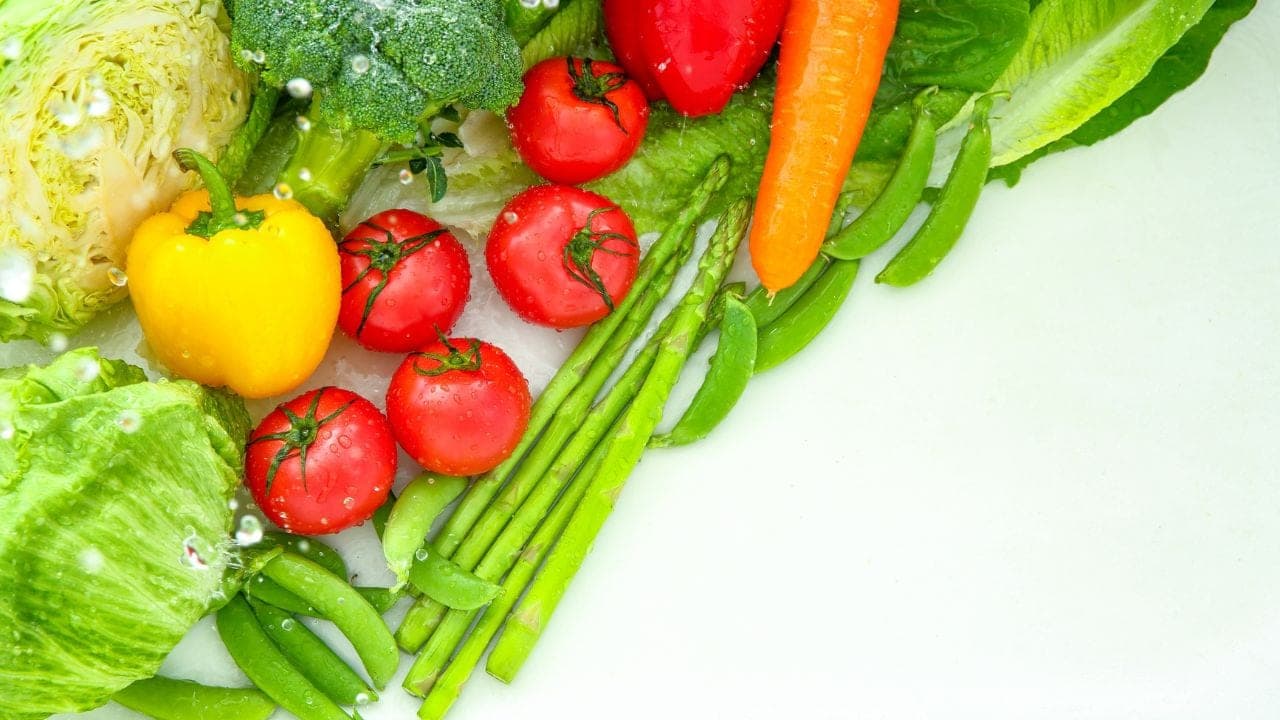
- Ginger prices surged 50.41% year-on-year in June, a steep acceleration from 32.50% in May, making it the single biggest inflationary contributor among food items tracked.
- Tomatoes rose 31.92% year-on-year, though this represented a moderation from the 48.43% recorded in May.
Notable decliners:
- Potatoes fell 20.34% year-on-year, a slightly shallower decline compared with -23.71% in May, suggesting some easing of the deflationary pressure on the crop.
- Pea inflation eased to 9.67% from 11.47% the previous month.
- Cumin prices declined 3.75% year-on-year, compared with a 4.59% fall in May.
The ginger surge stands out as a key risk, given how widely the spice is used across the food-processing and restaurant sectors.
The rural-urban divide
Rural India Feels the Pinch More Sharply on Food Costs
The inflationary burden was not distributed evenly across geographies. Rural food inflation ran at 5.45% in June, outpacing the 5.09% recorded in urban areas — a gap that is particularly significant given that rural households typically spend a larger share of their incomes on food.
For farmers and rural agri-businesses, this dynamic is a double-edged signal: while higher food prices can improve farm-gate realisations for producers of tomatoes and ginger, the same spike erodes purchasing power for households that are net buyers of food — including many smallholder and marginal farmers who grow one crop but purchase others.
Beyond the kitchen
Non-Food Inflation Broadens Across Clothing, Household Goods, and Healthcare
June's inflation print was not a purely food-driven story. Price pressures spread across several non-food categories, signalling a broader firming of consumer costs:
| Category | Inflation Rate |
|---|---|
| Clothing | 3.64% |
| Footwear | 0.54% |
| Furniture & Carpets | 3.27% |
| Household Appliances | 1.57% |
| Utensils | 4.70% |
| Medical & Healthcare Products | 1.39% |
The 4.70% rise in utensil prices and 3.64% in clothing are relevant for rural households and agri-workers, for whom these are significant expenditure items. Healthcare product inflation at 1.39%, while moderate, adds to the cost-of-living pressures on farming communities with limited insurance coverage.
Why it matters
A return to elevated food inflation — driven by volatile vegetables and spices — is a warning signal for policymakers navigating the RBI's inflation-targeting mandate, particularly as rural food inflation at 5.45% squeezes farm-household budgets. Commodity traders and agri-businesses should watch the ginger and tomato supply pipelines closely, as both drove outsized inflationary pressure in June. With non-food categories such as utensils, clothing, and healthcare also firming up, overall price pressure is broadening beyond just the kitchen. The trajectory in July will hinge heavily on kharif arrivals and whether the monsoon normalises vegetable supplies.
Frequently asked
What was India's retail inflation in June 2025?
India's retail CPI inflation rose to 4.38% in June 2025, up from 3.93% in May. This is the highest reading since December 2024, when inflation stood at 5.22%.
Which food items drove inflation higher in June 2025?
Ginger and tomatoes were the primary drivers. Ginger prices surged 50.41% year-on-year in June, up from 32.50% in May. Tomato prices rose 31.92%, moderating from 48.43% in May.
Did any food commodities see a price decline in June 2025?
Yes. Potato prices fell 20.34% year-on-year in June, pea inflation eased to 9.67% from 11.47% in May, and cumin prices declined 3.75% compared with a 4.59% fall the previous month.
Was food inflation higher in rural or urban India in June 2025?
Rural food inflation was higher at 5.45% in June 2025, compared with 5.09% in urban areas, according to CPI data.
Source
This report summarises and analyses coverage from Rural Voice — Latest. The analysis and India context are IndianAgri's own.
Edited by Devendra Kumar Jha. How we report, source and correct: editorial policy. Spotted an error? Tell us.