India, New Zealand Set ₹35,000 Crore Trade Target; Sign Dairy, Kiwifruit and Food Tech Pacts
PM Modi's New Zealand visit yields a clutch of agricultural agreements — covering dairy, kiwifruit, biofuels and food technology — as the two nations commit to doubling bilateral trade to NZ$7 billion by 2030.
The short answer
India and New Zealand have sealed a broad agricultural partnership during Prime Minister Narendra Modi's visit, signing agreements on animal husbandry and dairying, a Kiwifruit Action Plan, a food technology MoU, and a bilateral trade target of NZ$7 billion (approximately ₹35,000 crore) by 2030. Two Centres of Excellence for kiwifruit will be set up in Nagaland and Uttarakhand with New Zealand's technical support, while New Zealand also joined India's Global Biofuels Alliance. The deals are framed around a proposed Free Trade Agreement between the two countries.
The big picture
Modi Visit Yields Broad Agri Agenda With New Zealand
Prime Minister Narendra Modi's visit to New Zealand has produced one of the most substantive agricultural engagement packages between the two countries in recent years. The two governments signed multiple agreements spanning animal husbandry, dairying, food technology, biofuels and horticulture, while also setting a headline bilateral trade target of NZ$7 billion (approximately ₹35,000 crore) by 2030 — double the current level.
Both Prime Ministers acknowledged that trade between the two nations remains well short of its potential. The ambition is to change that trajectory through stronger commercial partnerships, greater institutional linkages, and the proposed India-New Zealand Free Trade Agreement, which anchors much of the new cooperation framework.
Livestock and dairy
MoC on Animal Husbandry Taps New Zealand's Dairy Strengths
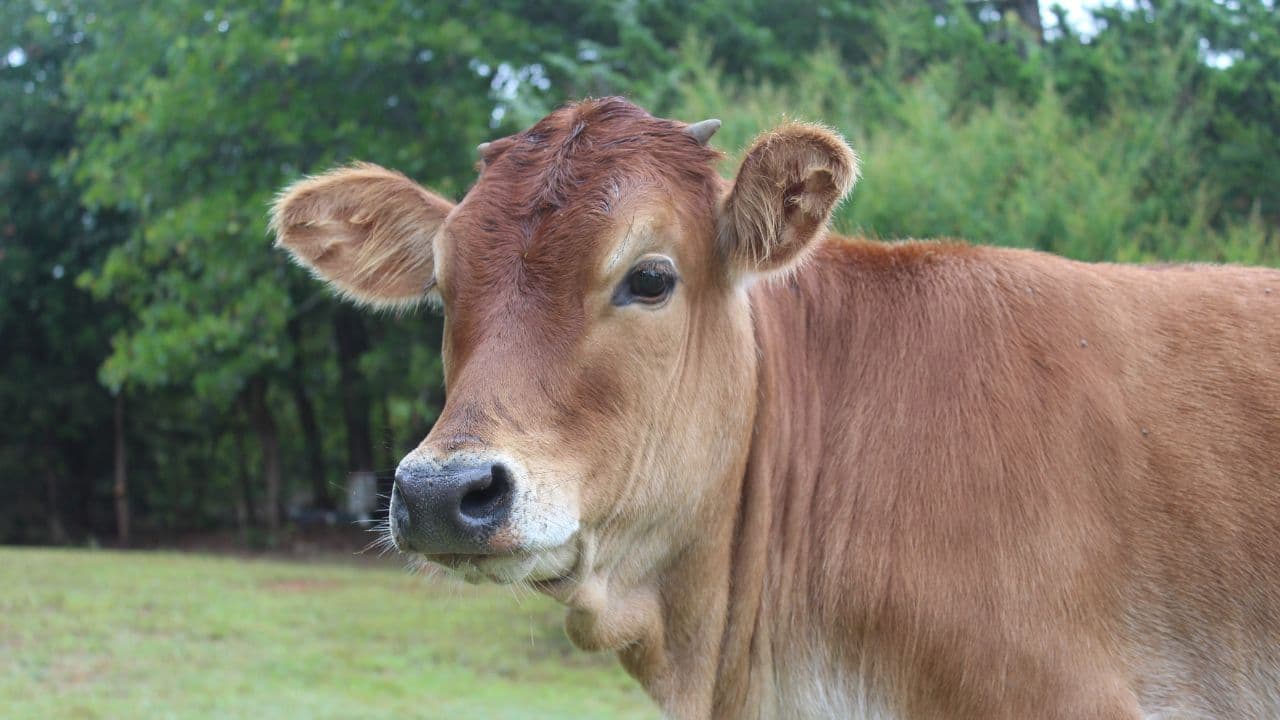
A Memorandum of Cooperation on Animal Husbandry and Dairying was inked between India's Ministry of Fisheries, Animal Husbandry and Dairying and New Zealand's Ministry of Primary Industries — the most structurally significant agri agreement of the visit.
The MoC establishes a formal framework for:
- Technical collaboration in livestock production and dairy farming
- Knowledge exchange on animal health and sustainable livestock management
- Adoption of best practices in food safety, post-harvest management and value chain development
New Zealand is globally regarded for its high-productivity, pasture-based dairy systems. India, with one of the world's largest cattle populations but comparatively lower per-animal productivity, stands to gain substantially from structured technology and knowledge transfer under this framework.
Hill-state horticulture
Kiwifruit Action Plan to Put Two Centres of Excellence in Northeast and Uttarakhand
In a targeted move for India's hill-state farmers, both governments launched a Kiwifruit Action Plan under the Agricultural Productivity Partnership linked to the proposed FTA. The centrepiece of this plan is the establishment of two Centres of Excellence for Kiwifruit — one each in Nagaland and Uttarakhand — with active technical support from New Zealand.
The Centres are designed to deliver:
- Improved cultivation practices and quality planting material
- Skill development for growers and farm workers
- Research and industry collaboration to scale commercial cultivation
The two sides also agreed to extend similar productivity enhancement programmes to apples and honey, drawing on New Zealand's expertise in horticultural production systems. If realised, this could meaningfully strengthen the commercial viability of farming in some of India's more challenging geographies.
Clean energy and food tech
New Zealand Joins Global Biofuels Alliance; NIFTEM-K Ties Up with Massey University
New Zealand formally joined India's Global Biofuels Alliance, an initiative India launched to accelerate the worldwide adoption of sustainable biofuels. The move is expected to deepen policy collaboration, technology exchange and capacity building on low-carbon fuel transitions between the two countries.
On the food technology and research front, the National Institute of Food Technology, Entrepreneurship and Management, Kundli (NIFTEM-K) signed an MoU with Massey University, New Zealand. The agreement covers joint research, faculty and student exchanges, academic collaboration, and innovation in food technology and agribusiness.
The partnership is aimed at strengthening applied research in food processing, value addition, entrepreneurship and sustainable food systems — areas where both institutions have complementary capabilities.
The trade outlook
Bilateral Trade Target Hinges on FTA Progress
The overarching ambition of doubling bilateral goods and services trade to NZ$7 billion by 2030 is notable, but both leaders were candid that current trade levels sit well below the two economies' combined potential. The pathway to that target runs through the proposed India-New Zealand Free Trade Agreement, which is expected to improve market access for agricultural commodities, dairy products, horticultural goods and processed foods.
Both governments signalled their intent to actively encourage businesses on both sides to identify commercial opportunities and build the institutional relationships needed to translate agreements into trade flows. For Indian agri-exporters and importers of New Zealand's dairy and horticultural technology, the FTA's trajectory will be the single most important variable to track in the months ahead.
Why it matters
For Indian farmers and agri-businesses, the pacts open a direct channel to New Zealand's world-class expertise in dairy productivity, food safety, and horticultural value chains — areas where India is actively investing to modernise. The kiwifruit Centres of Excellence in Nagaland and Uttarakhand could meaningfully uplift hill-state horticulture if implementation follows through. Policymakers should watch progress on the proposed FTA, which underpins most of these frameworks; without it, several agreements — including the Kiwifruit Action Plan — remain aspirational. New Zealand's entry into the Global Biofuels Alliance also adds diplomatic weight to India's clean-energy push.
Frequently asked
What is the bilateral trade target India and New Zealand have set?
The two countries have agreed to double bilateral trade in goods and services to NZ$7 billion — approximately ₹35,000 crore — by 2030.
Where will the Centres of Excellence for Kiwifruit be set up?
Two Centres of Excellence for Kiwifruit will be established in Nagaland and Uttarakhand, with technical support from New Zealand, as part of the Kiwifruit Action Plan under the Agricultural Productivity Partnership.
What does New Zealand joining the Global Biofuels Alliance mean for India?
New Zealand's entry into India's Global Biofuels Alliance strengthens international collaboration on sustainable biofuels through policy coordination, technology exchange and capacity building, supporting India's push for wider global adoption of low-carbon fuels.
Which Indian food technology institution signed an agreement with New Zealand's Massey University?
The National Institute of Food Technology, Entrepreneurship and Management, Kundli (NIFTEM-K) signed an MoU with Massey University, New Zealand, covering joint research, faculty and student exchanges, and collaboration in food technology and agribusiness.
Source
This report summarises and analyses coverage from Rural Voice — Latest. The analysis and India context are IndianAgri's own.
Edited by Devendra Kumar Jha. How we report, source and correct: editorial policy. Spotted an error? Tell us.