Uttarakhand's Mahak Kranti Niti: A ₹11,700 Crore Bet on Aromatic Farming
Uttarakhand's new Mahak Kranti Niti targets 22,750 hectares, 91,000 farmers, and a tenfold-plus leap in sector turnover — from ₹100 crore to ₹11,700 crore — over the next decade.
The short answer
The Uttarakhand government has unveiled the Mahak Kranti Niti, a sweeping aromatic crop policy to be implemented by the Centre for Aromatic Plants, Selaqui. The policy's first phase aims to bring 22,750 hectares under cultivation across seven Aroma Valleys, benefiting more than 91,000 farmers. Over 10–11 years, the government targets a jump in annual sectoral turnover from roughly ₹100 crore to around ₹11,700 crore, while generating over 2.2 crore man-days of employment.
The Policy
What Mahak Kranti Niti Sets Out to Do
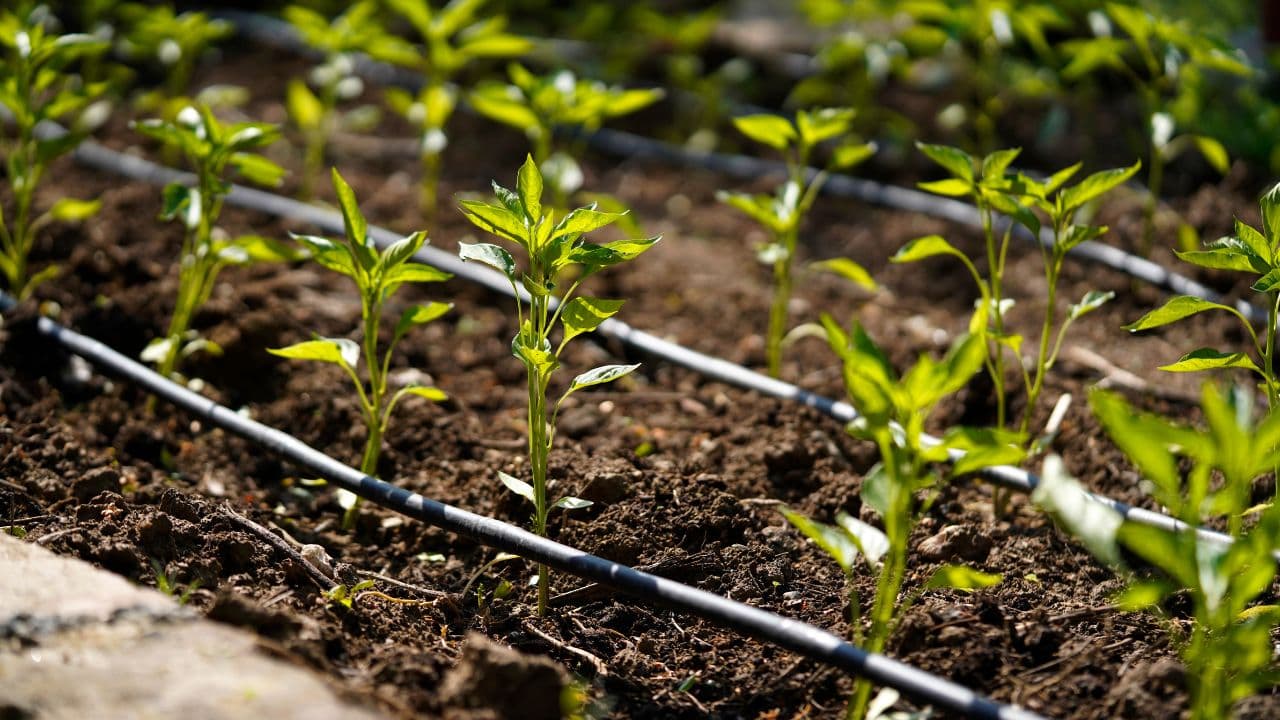
The Uttarakhand government has introduced the Mahak Kranti Niti as a full-spectrum policy to scale up aromatic crop cultivation across the state. Implementation responsibility rests with the Centre for Aromatic Plants (CAP), Selaqui, Dehradun. The policy addresses a cluster of structural problems that have long undermined hill agriculture — wild-animal predation on crops, rain-fed dependency, steep and erosion-prone terrain, and the steady drift of farming families away from agriculture.
Rather than treating aromatic farming as a niche activity, the state is positioning it as a mainstream economic driver, integrating cultivation, processing, branding, and marketing within a single policy framework. The goal is to make aromatic farming a reliable and profitable livelihood option, particularly for smallholders and self-help groups in remote hill districts.
On the Ground
Seven Aroma Valleys, Six Satellite Centres
The first phase structures cultivation around agro-climatic suitability through seven Aroma Valleys, the five largest of which are:
| Aroma Valley | Key Districts | Target Area |
|---|---|---|
| Mint Valley | Udham Singh Nagar, Haridwar | 8,000 ha |
| Timru Valley | Pithoragarh | 5,150 ha |
| Cinnamon Valley | Champawat, Nainital | 5,200 ha |
| Lemongrass Valley | Haridwar, Dehradun, Pauri | 2,400 ha |
| Damask Rose Valley | Chamoli, Almora | 2,000 ha |
Supporting these clusters, six Satellite Centres — in Champawat, Pithoragarh, Uttarkashi, Chamoli, Almora, and Dehradun — will serve as on-the-ground hubs for farmer training, hi-tech nurseries, processing, and marketing assistance, bringing technical and commercial support directly to farming communities.
The Incentives
Subsidies Structured Across the Value Chain
The financial architecture of the Mahak Kranti Niti is designed to lower entry barriers at every stage:
Cultivation support:
- 80% subsidy on establishment costs for farmers cultivating up to 1 hectare
- 50% subsidy for farmers cultivating more than 1 hectare
- Cooperatives, self-help groups, and companies may cultivate up to 30 acres, with subsidy available on a maximum of 10 acres at 50%
- 50% subsidy on nursery establishment costs of up to ₹30 lakh per hectare
Processing and branding:
- 80% subsidy on processing unit establishment costs up to ₹15 lakh per unit
- 80% subsidy on packaging and branding expenses up to ₹25,000
This tiered structure is aimed at drawing in not just individual farmers but also entrepreneurs, cooperatives, and small agri-businesses into the aromatic crop ecosystem.
The Economic Case
From ₹100 Crore to ₹11,700 Crore in a Decade
The ambition embedded in the Mahak Kranti Niti is substantial. Uttarakhand's aromatic crop sector currently generates an estimated annual turnover of around ₹100 crore. The policy targets a rise to approximately ₹11,700 crore within 10–11 years — a more than 100-fold increase.
Beyond revenue, the plan projects the generation of over 2.2 crore man-days of employment, with particular emphasis on creating opportunities for rural youth to slow the pace of out-migration from hill districts. The policy also expects the establishment of more than 450 small-scale processing and distillation units, which would meaningfully deepen Uttarakhand's essential oil and fragrance industry.
Heightened domestic output of crops such as cinnamon and Timru is additionally expected to reduce India's import dependence in these categories, giving the policy an industrial-policy dimension beyond its agricultural scope.
The Bigger Picture
Environmental Gains and a Sustainable Farming Model
Aromatic crop cultivation offers ecological co-benefits that align with Uttarakhand's terrain and climate vulnerabilities. The policy notes that these crops can contribute to carbon sequestration, reduce soil erosion, and minimise surface runoff — particularly relevant for the Himalayan state's fragile hill slopes.
The cluster-based model, anchored by Aroma Valleys and Satellite Centres, is also intended to make farming more resilient to wild-animal damage — a persistent problem for traditional food crops in the region. By integrating scientific research, quality planting material, and market linkages, the Mahak Kranti Niti aims to move Uttarakhand towards a diversified, higher-value agricultural economy that can sustain hill communities over the long term.
Why it matters
For a hill state battling farm-land abandonment, wild-animal crop damage, and youth out-migration, a policy that blends high-subsidy cultivation support with cluster-based processing infrastructure is strategically significant. If the turnover target is met, the aromatic sector could become one of Uttarakhand's most consequential rural industries. Traders and essential-oil processors should watch the six Satellite Centres and 450-plus planned distillation units closely — they signal a serious attempt to build domestic supply chains for cinnamon, Timru, and aromatic grasses that currently depend on imports.
Frequently asked
What is the Mahak Kranti Niti and who will implement it?
The Mahak Kranti Niti is Uttarakhand's comprehensive policy for promoting large-scale aromatic crop cultivation. It will be implemented by the Centre for Aromatic Plants (CAP), Selaqui, Dehradun, and covers the full value chain from cultivation to processing, branding, and marketing.
What subsidies are available to farmers under this policy?
Farmers cultivating up to 1 hectare receive an 80% subsidy on establishment costs. Those cultivating more than 1 hectare receive a 50% subsidy. Nursery establishment costs are subsidised at 50% up to ₹30 lakh per hectare. Processing units receive an 80% subsidy up to ₹15 lakh, and packaging and branding expenses attract an 80% subsidy up to ₹25,000.
Which aromatic crops and regions are covered in the first phase?
The first phase covers Damask Rose (Chamoli, Almora), Timru (Pithoragarh), Mint (Udham Singh Nagar, Haridwar), Cinnamon (Champawat, Nainital), and Lemongrass (Haridwar, Dehradun, Pauri), spread across seven Aroma Valleys totalling 22,750 hectares.
What is the projected economic impact of the Mahak Kranti Niti?
The policy targets a rise in annual sectoral turnover from approximately ₹100 crore to around ₹11,700 crore over 10–11 years. It also aims to generate over 2.2 crore man-days of employment, benefit more than 91,000 farmers, and support the establishment of more than 450 small-scale processing and distillation units.
Source
This report summarises and analyses coverage from Rural Voice — Latest. The analysis and India context are IndianAgri's own.
Edited by Devendra Kumar Jha. How we report, source and correct: editorial policy. Spotted an error? Tell us.