3.1% of Fruit and Vegetable Samples Exceeded Pesticide MRLs in Three Years: Lok Sabha
Out of 70,652 samples tested across 23 states under the MPRNL project from 2023–26, only 2,223 breached FSSAI's Maximum Residue Limits — but India's agri policy agenda runs far wider.
The short answer
The Union Agriculture Minister told Parliament on August 11 that 3.1 per cent of fruit and vegetable samples tested under the national pesticide residue monitoring programme over the past three years contained residues above permissible limits set by the FSSAI. The government also disclosed that the Draft Sugarcane (Control) Order, 2026 was withdrawn on May 29 after pushback from state governments and other stakeholders. Separately, India's fruit and vegetable exports reached $3.93 billion in 2025-26, even as imports nearly doubled in value from 2016-17 levels.
Pesticide residues
One in 32 Samples Breached Limits — But the System is Watching
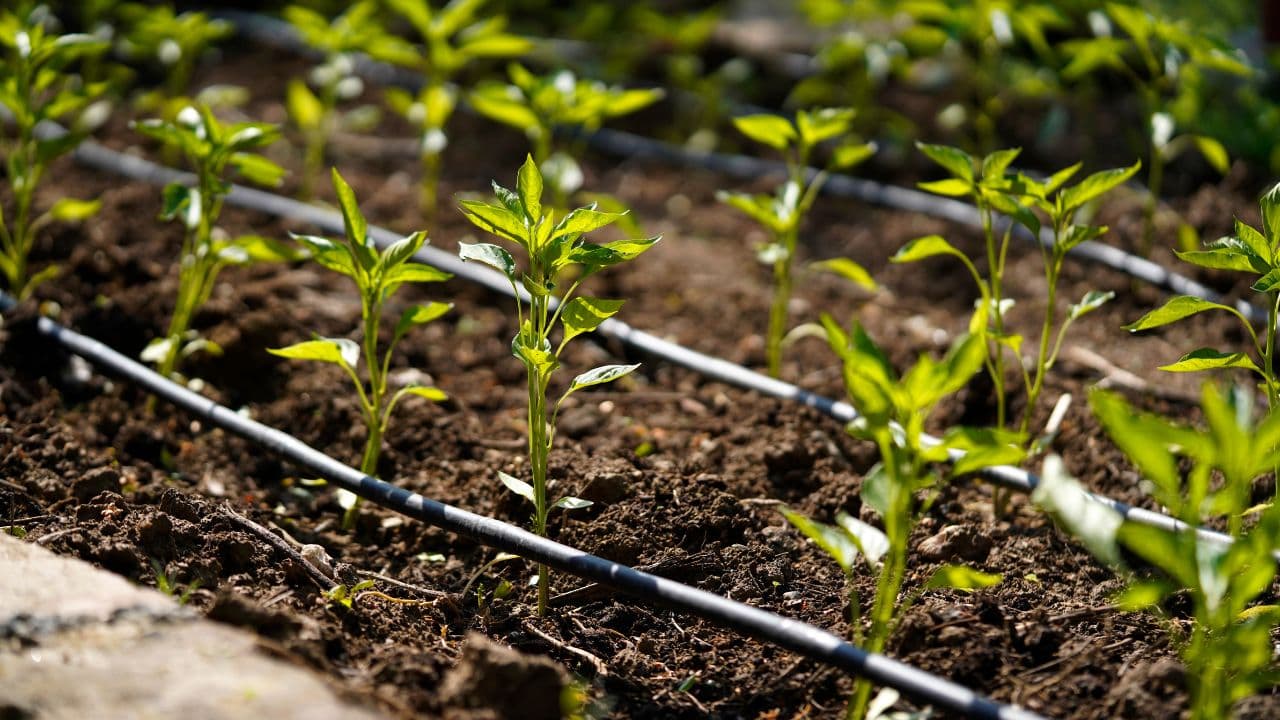
Of 70,652 fruit and vegetable samples collected from 23 states and union territories between 2023 and 2026, 2,223 samples — or 3.1 per cent — were found to contain pesticide residues above the Maximum Residue Limits set by the Food Safety and Standards Authority of India (FSSAI), Union Agriculture Minister Shivraj Singh Chouhan informed the Lok Sabha on August 11.
The data comes from the Monitoring of Pesticide Residues at National Level (MPRNL) project, a surveillance programme operational since 2005-06 that now runs through 40 participating laboratories, including five newly added ones, covering 22 states. The project has been granted continuity through 2028-29.
To improve traceability, laboratories now record GPS coordinates of every sample collection point. For farm-gate samples, the traceability trail extends to the growing area itself — a step designed to enable targeted enforcement rather than blanket action. 21 states have constituted dedicated state-level committees to monitor pesticide residue and promote good agricultural practices and integrated pest management.
Sugarcane policy
Draft Sugarcane Control Order Pulled After Stakeholder Objections
In a separate parliamentary reply, Union Minister of State for Agriculture Ramnath Thakur confirmed that the Draft Sugarcane (Control) Order, 2026 was withdrawn on May 29, 2026, less than six weeks after its publication.
The Department of Food and Public Distribution had published the draft on April 20, 2026, inviting comments and suggestions from stakeholders. However, the volume and nature of objections received from state governments and other parties prompted the Centre to step back and reconsider the framework before proceeding further.
No revised timeline for a fresh draft has been indicated, leaving the regulatory landscape for sugarcane procurement and pricing in its existing form for now. The episode underscores the political sensitivity surrounding sugarcane policy, a commodity that directly affects millions of farmers across Uttar Pradesh, Maharashtra, Karnataka, and other major producing states.
This phased expansion has significantly strengthened the digital ecosystem for crop estimation by improving the coverage, transparency, timeliness, and quality of crop yield estimation across the country.
Horticulture trade
India Remains a Net Exporter, but Import Bill Surges Sharply
India's trade in fruits and vegetables has expanded on both sides of the ledger, according to data presented by Union Minister of State for Commerce and Industry Jitin Prasada.
On the export side:
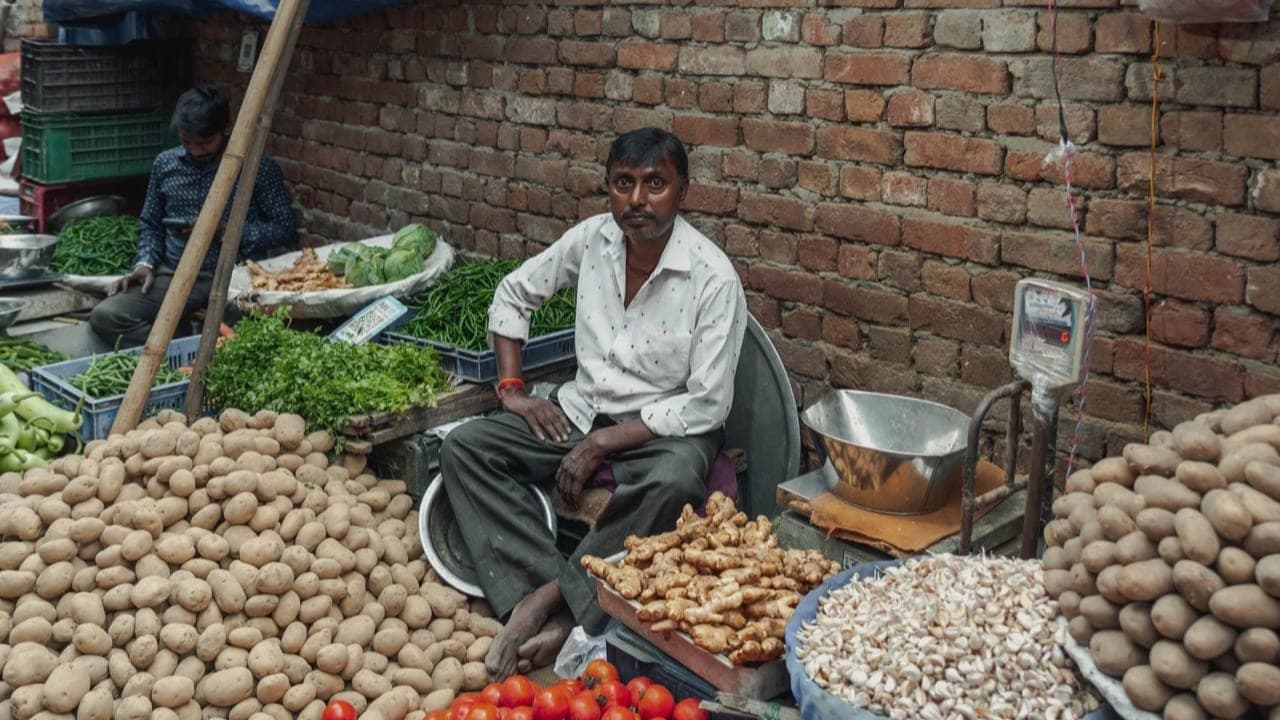
- Value rose from $2.45 billion in 2016-17 to $3.93 billion in 2025-26
- Volume climbed from 4.95 million tonnes (mt) to 5.82 mt over the same period
On the import side:
- Value jumped from $1.78 billion in 2016-17 to $3.82 billion in 2025-26
- Volume rose from 1.12 mt to 2.07 mt
While India retains its status as a net exporter, the near-doubling of import value reflects rapidly growing domestic consumption. The narrowing trade surplus — from roughly $670 million to just over $110 million in value terms — is a structural shift that agri-trade desks and commodity traders will need to factor into their market assessments going forward.
Oilseeds & rubber
Oil Palm Expansion Lags Target; Rubber Prices Surge in Kottayam
The government's NMEO-Oil Palm mission, launched in 2021-22 with a target of bringing 6.5 lakh hectares (lh) under cultivation by 2025-26, has so far achieved 2.98 lh — less than half its goal. Chouhan noted that oil palm's gestation period of four to five years means most planted area has yet to reach full bearing. Crude palm oil production under the mission totalled 20.10 lakh tonnes from 2021-22 to 2025-26. The ICAR-IIOPR Reassessment Committee has identified 27.99 lh as the scientifically viable potential area for oil palm cultivation nationally.
On natural rubber, Prasada told Parliament that India produced 9.05 lakh tonnes of natural rubber in 2025-26 against imports of 4.59 lakh tonnes. Provisional data for April–June 2026-27 shows production at 1.49 lakh tonnes and imports at 1.14 lakh tonnes. Prices at Kottayam, Kerala, for RSS 4 grade rubber have risen sharply — from ₹197.32 per kg in 2025-26 to ₹253.21 per kg in the April–June 2026-27 quarter — driven by domestic demand and international price movements.
Digital agriculture
Crop Survey Goes Digital Across 23 States and UTs
The Digital General Crop Estimation Survey (DGCES) has been scaled from a 10-state kharif 2023-24 pilot to full rollout across 23 states and UTs, Thakur told Parliament. The rabi 2023-24 season served as an intermediate expansion phase covering 22 states/UTs before the current scale was reached.
DGCES replaces paper-based workflows with a mobile application that captures real-time data, geo-tags each crop cutting experiment, and attaches time-stamped, authenticated photographic evidence. Web-based dashboards allow supervisors to monitor fieldwork online, compressing the time needed to compile and process yield estimates.
The system also standardises data collection procedures across states, addressing a long-standing concern about inconsistency in official crop yield statistics — data that underpins MSP decisions, procurement planning, and commodity market forecasts relied upon by traders and policymakers alike.
Why it matters
A 3.1 per cent exceedance rate across 70,652 samples suggests India's pesticide residue problem, while not systemic, is concentrated enough to warrant targeted action — particularly as the country's $3.93 billion horticulture export franchise depends on meeting importing nations' MRL standards. The withdrawal of the Draft Sugarcane (Control) Order signals that sugar-sector reforms remain politically fraught, and traders should watch for a revised draft. Meanwhile, the near-doubling of natural rubber prices in Kottayam to ₹253.21 per kg in the April–June 2026-27 quarter will squeeze downstream rubber-goods manufacturers and keep import pressure elevated.
Frequently asked
What percentage of fruit and vegetable samples failed the FSSAI pesticide residue test between 2023 and 2026?
According to Union Agriculture Minister Shivraj Singh Chouhan, 3.1 per cent of samples — that is, 2,223 out of 70,652 collected from 23 states and union territories — were found to contain pesticide residues above the Maximum Residue Limits set by FSSAI.
Why was the Draft Sugarcane (Control) Order, 2026 withdrawn?
The Department of Food and Public Distribution published the draft on April 20, 2026 and invited public comments. Based on objections received from state governments and other stakeholders, the government determined it was necessary to revisit the draft, and withdrew it on May 29, 2026.
How have India's fruit and vegetable exports changed over the past decade?
India's fruit and vegetable exports grew from $2.45 billion and 4.95 million tonnes in 2016-17 to $3.93 billion and 5.82 million tonnes in 2025-26. India has consistently remained a net exporter, though the trade surplus narrowed significantly as imports also surged to $3.82 billion in 2025-26.
What is the current status of the NMEO-Oil Palm mission, and how much area has been covered?
Launched in 2021-22 with a target of 6.5 lakh hectares by 2025-26, the NMEO-Oil Palm mission has brought 2.98 lakh hectares under cultivation so far. Because oil palm takes four to five years to reach full bearing, much of the planted area is yet to yield commercially. Total crude palm oil production under the mission from 2021-22 to 2025-26 stood at 20.10 lakh tonnes.
Source
This report summarises and analyses coverage from The Hindu BusinessLine — Agri Business. The analysis and India context are IndianAgri's own.