Sugarcane
Saccharum officinarum · Poaceae (grasses)
India's largest crop by tonnage and the base of its sugar and ethanol industries — grown on the world's largest cane area.
Production · Sugarcane
453.15 MT
4,531.58 lakh tonnes — 2023–24 Final Estimates
Source: DA&FW Final Estimates 2023–24 (PIB)
2023–24
In the IndianAgri Data Atlas
India's sugarcane production, 2025-26 — with the state-by-state series behind it, every figure dated and sourced.
500 million tonnes
Top producing states
All sugarcane data, by state and year →Key figures
Yield
78,953 kg/ha
about 320 quintals per acre
About sugarcane
Sugarcane is India's most valuable crop by tonnage and the foundation of a sugar industry that is among the world's largest — plus a fast-growing ethanol sector fed by cane juice and molasses.
It grows in two belts: the subtropical north (Uttar Pradesh, Bihar), which grows the most cane, and the tropical south (Maharashtra, Karnataka, Tamil Nadu), which achieves higher yields and recovery. It is a long-duration crop, occupying the field for 10–18 months.
India has the world's largest area under sugarcane and is the second-largest producer after Brazil, whose higher yields keep it ahead. A rising share of India's cane and sugar is now diverted to ethanol for the national fuel-blending programme.
Where it’s grown
Leading producing states
- 1Uttar Pradesh
- 2Maharashtra
- 3Karnataka
- 4Tamil Nadu
- 5Bihar
Uttar Pradesh alone grows roughly half of India's sugarcane (about 220 MT in 2024–25); Maharashtra and Karnataka lead the tropical southern belt. DES crop estimates.
How it’s grown
- Season
- Kharif & Rabi (long-duration)
- Planting
- Feb–Mar (spring) & Oct–Nov (autumn)
- Harvest / crushing
- November–April
- Duration
- 10–18 months
- Water
- High; largely irrigated
Major varieties
Co 0238 (Karan-4)
An early-maturing, high-sugar variety that transformed north Indian cane — now being phased out due to red-rot susceptibility.
Co 86032
The long-standing mainstay of the tropical southern belt.
Co 0118
A promoted north-zone variety and a Co 0238 alternative.
Co 15023
A newer, red-rot-resistant replacement for Co 0238.
CoLk 14201
An ICAR-IISR (Lucknow) variety promoted to replace Co 0238.
Co 0238 covered ~87% of Uttar Pradesh's cane by 2020–21 before red rot forced a shift to newer varieties. Notable ICAR-SBI/IISR releases shown here (not an area-ranked list). ICAR-SBI — sugarcane varieties.
Economics & trade
Unlike most crops, sugarcane is priced through a Fair and Remunerative Price (FRP), not an MSP — ₹365 per quintal at a 10.25% recovery rate for the 2026–27 sugar season beginning 1 October 2026, rising or falling ₹3.56 for every 0.1% change in recovery. Mills recovering below 9.5% may not deduct at all, so their growers receive a floor of ₹338.30 per quintal. The FRP is legally payable by mills to farmers.
The widest margin in Indian farm pricing. CACP puts the cost of growing cane at just ₹182 per quintal (A2+FL), so the ₹365 FRP is 100.5% above cost — roughly double, and far beyond the 50% floor that governs MSP crops. India's average cane yield is 78,953 kg per hectare — about 320 quintals an acre — so an average acre grosses roughly ₹1.17 lakh at FRP against some ₹58,000 of cost, leaving close to ₹58,000. That is why cane holds its acreage against every attempt to diversify away from it.
The catch is payment, not price. A legally payable price is only worth what mills actually pay. Of ₹1,12,740 crore of cane dues payable in the 2025–26 season, ₹99,961 crore had been paid as of 20 April 2026 — 88.6%, leaving close to ₹12,800 crore outstanding. The previous season eventually cleared 99.5%, so the gap is largely timing; but for a grower, an FRP received months late is a materially different price from one received at the mill gate.
The crop underpins sugar, gur/jaggery, and a rapidly expanding ethanol industry, with cane juice and molasses increasingly diverted to fuel-grade ethanol under the national blending programme; timely payment of cane dues by mills is a recurring policy concern.
Uses
- Sugar, plus gur (jaggery) and khandsari — the crop's traditional core.
- Ethanol for fuel blending, a fast-growing use of cane juice and molasses.
- Bagasse (fibre residue) for power co-generation and paper.
- Molasses for distilleries and cattle feed.
Notable facts
- India has the world's largest area under sugarcane; Brazil produces more because of higher yields.
- Co 0238 once covered about 87% of Uttar Pradesh's cane area before red rot forced a switch to newer varieties.
- A rising share of India's cane and sugar is diverted to ethanol for the national fuel-blending programme.
- Sugarcane is a long-duration crop, staying in the field for 10–18 months.
Frequently asked
- Does sugarcane have an MSP?
- No — sugarcane is priced through a Fair and Remunerative Price (FRP), set at ₹365 per quintal at 10.25% recovery for the 2026–27 sugar season and legally payable by mills. Growers supplying mills that recover below 9.5% receive a floor of ₹338.30 per quintal.
- What is the sugarcane yield per acre in India?
- India's average sugarcane yield is 78,953 kg per hectare, or about 320 quintals — roughly 32 tonnes — an acre. Sugarcane is almost entirely irrigated, so the spread between states is narrower than for rainfed crops.
- How much profit is there in sugarcane farming per acre?
- About ₹58,000 an acre on an average 320 quintals — roughly ₹1.17 lakh gross at the ₹365 FRP against some ₹58,000 of cost. The FRP sits 100.5% above CACP's cost of ₹182 a quintal, the widest margin in Indian farm pricing, though what matters in practice is how promptly the mill pays.
- In which season is sugarcane grown?
- It is a long-duration crop (10–18 months), planted in spring (Feb–Mar) or autumn (Oct–Nov) and harvested through the November–April crushing season.
- Which is the largest sugarcane-producing state?
- Uttar Pradesh — it grows roughly half of India's sugarcane, followed by Maharashtra and Karnataka.
- How much sugarcane does India produce?
- India produced a record 453.15 million tonnes in 2023–24 (Final Estimates) and is the world's second-largest producer after Brazil, with the largest cane area.
- Why is sugarcane linked to ethanol?
- Cane juice and molasses are increasingly diverted to fuel-grade ethanol under India's ethanol-blending programme, making sugar and energy policy closely linked.
Latest sugarcane coverage
Updated automatically as new sugarcane coverage is published.

What a Tonne of Biomass Pellets Costs in Electricity
11 September 2026

What a Power Weeder Really Costs to Run Per Acre
21 August 2026

870 Species, 2,439 Hectares: Why India Still Buys Its Orchids from Thailand
17 August 2026

From Iron Ploughs to a 50 HP Tractor: An Engine Maker Comes Back to the Farm
17 August 2026
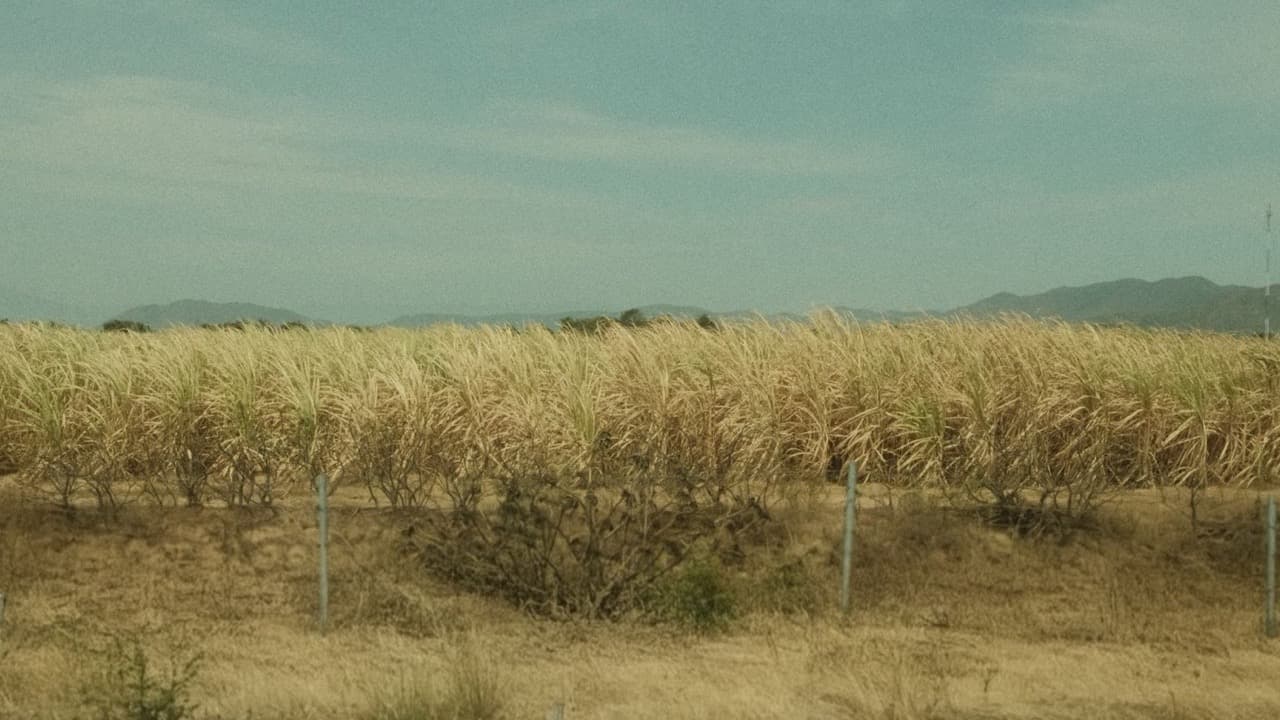
ISMA and ICAR-ISRI Sign MoU to Build ₹80 Crore Sugarcane Seed Centre in Lucknow
14 August 2026
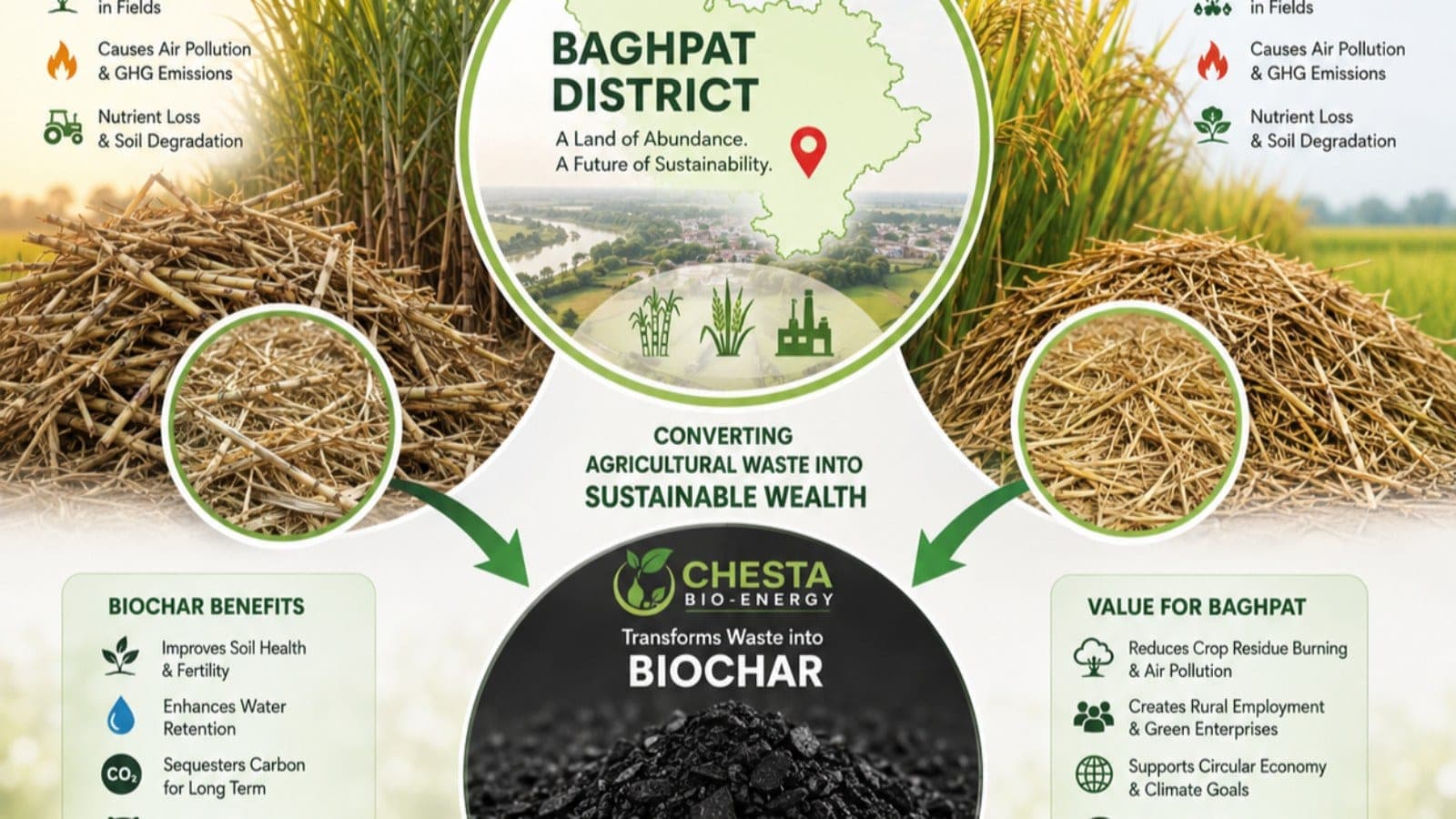
India Burns 60% of Its Sugarcane Trash: A ₹-Billion Bioeconomy Opportunity Going Up in Smoke
25 July 2026
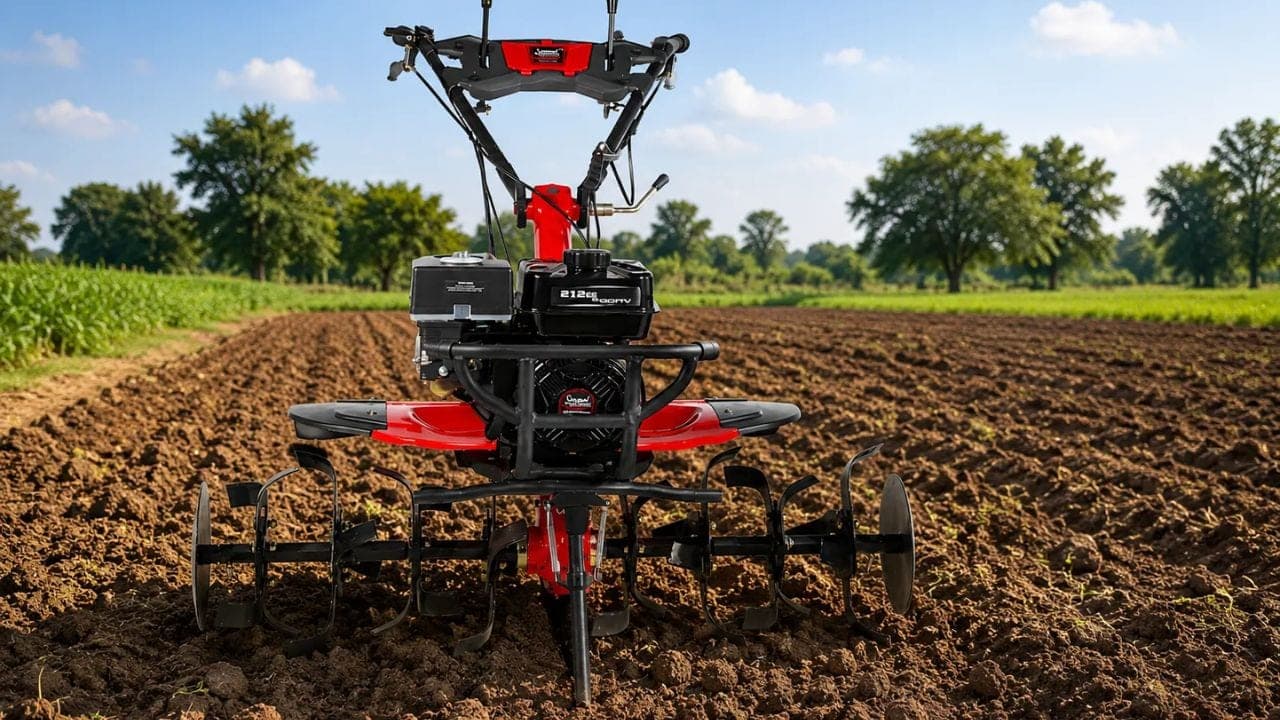
7 HP or 9 HP? Sizing a Power Weeder Without Overbuying
11 July 2026
India's Ethanol Supplies Cross 800-Crore-Litre Mark as Grain-Based Share Climbs to 76% in July
12 August 2026
India Weighs Curbing Cane-to-Ethanol Diversion to Cool Record Sugar Prices
10 August 2026
Sugar Industry Moves to Advance 2026-27 Crushing Season as Prices Surge and Stocks Tighten
7 August 2026
Low Closing Stocks to Force India's Hand on Sugar Exports and Ethanol Diversion in 2026-27
30 July 2026
Sugar Prices Jump Up to ₹600/Quintal in July as Production Falls Below Consumption for Second Year Running
19 July 2026
July Sugar Quota Held Steady at Year-Ago Level as Retail Prices Climb to ₹50/kg
2 July 2026
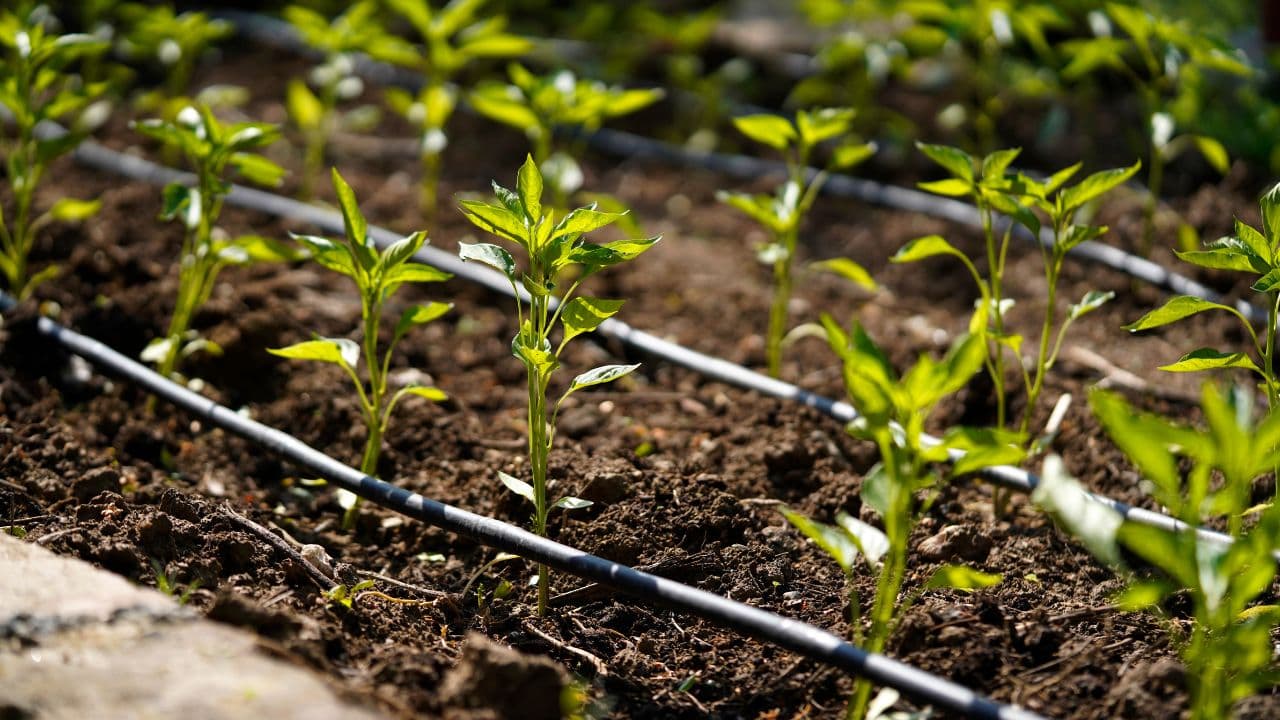
Drip Irrigation Cost Per Acre in India — and What the Subsidy Really Pays
16 August 2026
3.1% of Fruit and Vegetable Samples Exceeded Pesticide MRLs in Three Years: Lok Sabha
11 August 2026

Sugar Industry Demands Full Jute Packaging Exemption, Citing Health Risks and ₹800 Crore Annual Cost Burden
11 August 2026
₹90 Crore Global Centre of Excellence to Accelerate Sugarcane Breeding at Coimbatore's ICAR Institute
1 August 2026
Kharif Sowing Gap Narrows Sharply Even as Rainfall Deficit Deepens to 23.8%
21 July 2026