Agri GVA Growth at Risk: Weak Monsoon and El Niño Cloud India's FY27 Farm Outlook
ICRA warns its FY2027 agricultural GVA growth forecast of 1.4% faces further downward pressure after June rainfall came in at just 60% of the Long Period Average, with kharif sowing already down 22.7% year-on-year.
The short answer
India's farm sector is heading into a turbulent kharif season, with June 2026 monsoon rainfall recording a 40% deficit against the Long Period Average and cumulative sowing area shrinking 22.7% year-on-year to 18.3 million hectares. Rating agency ICRA has flagged that its FY2027 agricultural GVA growth projection of 1.4% — already well below the 3% recorded in FY2026 — could be revised further downward if El Niño intensifies and below-normal rainfall persists through July and August. The Monsoon Core Zone states, which together contribute 72% of kharif pulses output and 64% of oilseed production, face the sharpest exposure.
Monsoon failure
June Rainfall Slumps to 60% of LPA, Far Below IMD's Own Projection
India's southwest monsoon delivered a punishing start to the 2026 season. According to ICRA's latest thematic report, the country received only 60% of the Long Period Average (LPA) rainfall in June 2026, translating into a deficit of 40%. The shortfall significantly exceeded even the India Meteorological Department's (IMD) cautious guidance of below-normal rainfall at less than 92% of LPA for the month.
The consequences for farm activity have been near-immediate. Cumulative kharif sowing as of June 25 contracted to 18.3 million hectares, down from 23.6 million hectares in the same period last year — a year-on-year decline of 22.7%. Reservoir storage levels deteriorated in parallel, slipping to 26% of live storage capacity by end-June compared with 36% a year earlier, raising alarm bells over water availability for both the current kharif and the upcoming rabi season.
Crop-by-crop damage
Oilseeds, Cotton, and Pulses Record Steepest Acreage Losses
The rainfall shortfall has triggered broad-based sowing declines across major kharif crops. ICRA's data show:
- Oilseeds –53.3% year-on-year acreage decline
- Cotton –34.6%
- Pulses –30.5%
- Rice –25.2%
- Coarse cereals –11.7%
Sugarcane was the sole exception, registering a marginal 1.2% increase in acreage, attributed to its high irrigation coverage and early sowing cycle.
ICRA noted that crops with low irrigation coverage — pulses, oilseeds, coarse cereals, and cotton — recorded national output declines of between 3% and 14.5% during previous El Niño years (2015, 2018, and 2023), when affected states saw rainfall deficits ranging from 10% to 40% below normal. Rice proved comparatively resilient in those episodes, benefiting from cultivation in better-irrigated states.
El Niño exposure
Monsoon Core Zone States Carry the Heaviest Risk
ICRA has identified India's Monsoon Core Zone (MCZ) — encompassing Rajasthan, Maharashtra, Karnataka, Odisha, and Chhattisgarh — as the region most exposed to an El Niño shock. These states collectively account for roughly 35% of India's kharif cropped area but have irrigation coverage below 55%, leaving them acutely vulnerable to rainfall deficits.
The productive weight of this zone amplifies the national stakes: MCZ states contribute 72% of kharif pulses output, 67% of coarse cereals production, and 64% of oilseed output. Historical reservoir data presented in the report confirm that storage in several MCZ states remained well below historical averages during major El Niño years, spilling over into weaker rabi production in Maharashtra, Karnataka, Chhattisgarh, and Odisha.
Madhya Pradesh stands out as the notable exception within the MCZ, with irrigation coverage of around 82%, underpinned by investments in micro-irrigation and piped water networks.
GVA outlook
ICRA Flags Downside to 1.4% FY27 Forecast; July is the Decisive Month
ICRA currently projects agricultural GVA growth of 1.4% in FY2027, already a sharp step-down from 3% in FY2026, 4.2% in FY2025, and 2.6% in FY2024. The agency expects Q1 FY2027 agri-GVA growth to slow to 1.5%, versus 4.4% in Q1 FY2026.
The rating agency has warned that if El Niño intensifies and below-normal rainfall persists through July and August, even this reduced forecast could be revised further downward. July is particularly consequential: the month typically accounts for 32% of India's seasonal southwest monsoon rainfall and nearly 55% of total kharif sowing. The IMD has already projected below-normal rainfall of less than 94% of LPA for July, offering little immediate comfort.
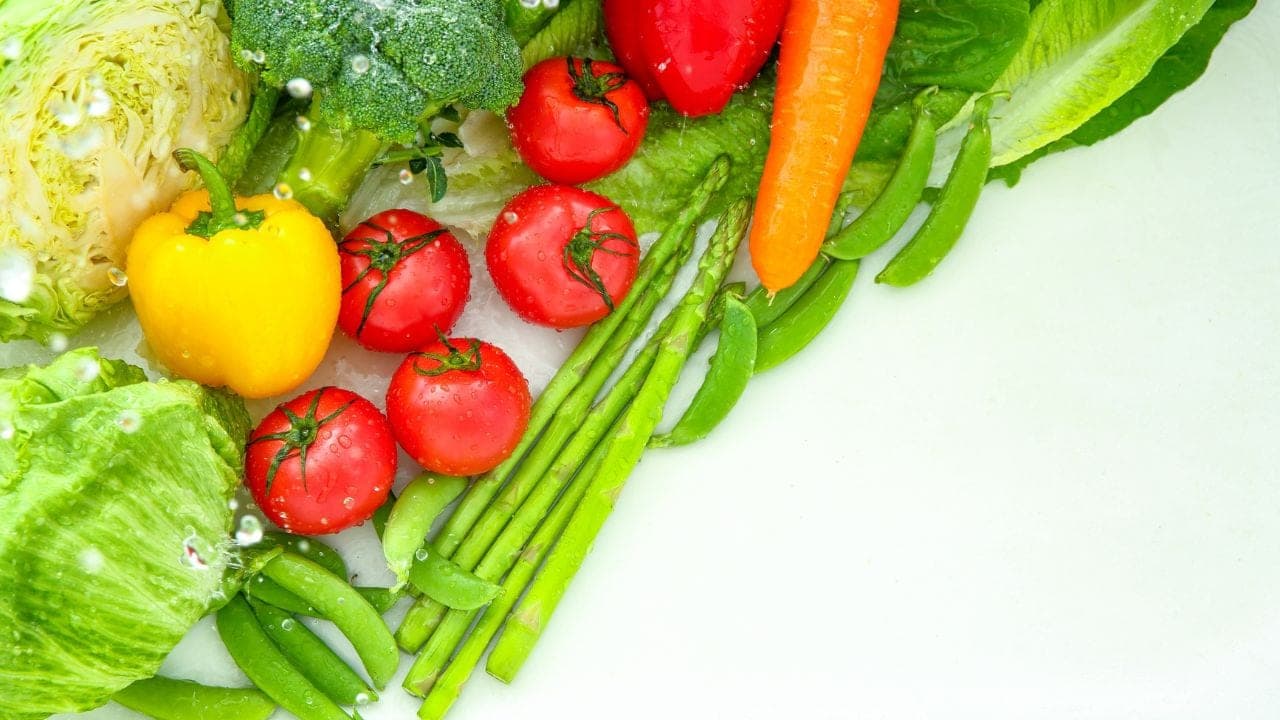
Horticulture — which contributes nearly 33% of agricultural GVA — also faces some pressure, particularly for monsoon-dependent vegetables such as okra and bitter gourd, though the majority of fruits and vegetables are grown under irrigation.
Silver lining
Non-Crop Segments Provide a Structural Cushion to the Farm Economy
Despite the deteriorating crop outlook, ICRA believes the broader agricultural economy retains a degree of resilience, thanks to the rising share of non-crop activities — livestock, forestry, and fishing. These sectors now account for 46% of agricultural GVA, up from 35% in FY2012, and have consistently outpaced the crop segment in growth.
During previous El Niño-affected years, crop GVA contracted by 2–4% in three out of four impacted fiscals. Yet non-crop activities continued to expand by 5–8% in those same periods, partially offsetting the damage to overall agri-GVA. This structural shift means the headline agricultural growth number is increasingly insulated from monsoon shocks alone — though the cushion has limits if a prolonged deficit suppresses rural incomes and spending across linked value chains.
Why it matters
A prolonged monsoon deficit would ripple well beyond the farm gate: weaker kharif output in rain-fed oilseed, pulse, and cotton belts could tighten domestic supplies and lift food prices, squeezing rural incomes and aggregate demand at a time when Q1 FY2027 agri-GVA growth is already expected to slow sharply to 1.5% from 4.4% a year earlier. Reduced reservoir replenishment also threatens rabi prospects, meaning policymakers may need to watch irrigation-water allocation closely. The one structural buffer is the non-crop segment — livestock, forestry, and fishing — which now accounts for 46% of agricultural GVA and has historically grown 5–8% even in El Niño years, providing a partial cushion to the overall farm economy.
Frequently asked
What is ICRA's current forecast for India's agricultural GVA growth in FY2027?
ICRA projects agricultural GVA growth of 1.4% in FY2027, down sharply from 3% in FY2026 and 4.2% in FY2025. The agency has warned this figure could be revised further downward if El Niño intensifies and below-normal rainfall continues through July and August 2026.
How bad was the June 2026 monsoon deficit, and how has it affected kharif sowing?
India received only 60% of the Long Period Average (LPA) rainfall in June 2026, a deficit of 40% — worse than the IMD's own forecast of less than 92% of LPA. As a result, cumulative kharif sowing as of June 25 fell 22.7% year-on-year to 18.3 million hectares, with oilseeds (-53.3%), cotton (-34.6%), and pulses (-30.5%) recording the steepest acreage declines.
Which states and crops are most vulnerable to an El Niño event?
The Monsoon Core Zone (MCZ) states — Rajasthan, Maharashtra, Karnataka, Odisha, and Chhattisgarh — are most at risk, as they have irrigation coverage below 55% yet contribute 72% of kharif pulses output, 67% of coarse cereals, and 64% of oilseed production. Crops with low irrigation coverage such as pulses, oilseeds, coarse cereals, and cotton saw national output declines of 3–14.5% during previous El Niño years.
Is there any buffer against a poor monsoon for India's overall farm economy?
Yes. Non-crop segments — livestock, forestry, and fishing — now account for 46% of agricultural GVA, up from 35% in FY2012. During previous El Niño years, while crop GVA fell 2–4% in three out of four affected fiscals, non-crop activities expanded by 5–8%, providing a partial cushion to overall agricultural growth.
Source
This report summarises and analyses coverage from Rural Voice — Latest. The analysis and India context are IndianAgri's own.
Edited by Devendra Kumar Jha. How we report, source and correct: editorial policy. Spotted an error? Tell us.