Rice (Paddy)
Oryza sativa · Poaceae (grasses)
India's most widely grown food crop, the defining staple of the monsoon (kharif) season, and the world's most-traded rice.
Production · Rice (Paddy)
137.8 MT
1,378.25 lakh tonnes — record, 2023–24 Final Estimates
Source: DA&FW Final Estimates 2023–24 (PIB)
2023–24
In the IndianAgri Data Atlas
India's rice production, 2025-26 — with the state-by-state series behind it, every figure dated and sourced.
154 million tonnes
Top producing states
All rice data, by state and year →Key figures
Area
47.83 M ha
area under rice — the largest of any Indian crop
Yield
2,882 kg/ha
11.7 quintals per acre of MILLED rice
About rice
Rice — cultivated as paddy — is India's most widely grown food crop and the defining staple of the monsoon (kharif) season across the east, south, and coastal regions.
It is chiefly a kharif crop, transplanted with the arrival of the southwest monsoon and harvested in autumn, though irrigated rabi and summer rice are grown in parts of the country. The 2023–24 crop was a record.
India is the world's second-largest rice producer after China, and its single largest exporter — shipping both premium basmati and non-basmati rice to markets across Asia, Africa, and the Middle East.
Where it’s grown
Leading producing states
- 1Telangana17.21 MT
- 2Uttar Pradesh16.56 MT
- 3West Bengal15.84 MT
- 4Punjab13.75 MT
- 5Madhya Pradesh13.13 MT
Telangana, Uttar Pradesh and West Bengal lead, each around 16–17 MT. These are DES crop-database (APY) state figures for 2022–23 and are not reconciled to the national Final Estimate.
DES crop APY database · 2022–23
How it’s grown
- Season
- Kharif (monsoon); some rabi/summer rice
- Sowing
- June–July (transplanted with the monsoon)
- Harvest
- October–November
- Climate
- Warm and humid; sustained high temperatures
- Water
- High; typically grown in flooded/puddled fields
Major varieties
Swarna (MTU 7029)
The dominant non-basmati variety of eastern India; medium-duration and flood-tolerant.
Samba Mahsuri (BPT 5204)
A fine-grain variety widely grown in the south.
Pusa Basmati 1121
A leading aromatic basmati variety, prized in export markets.
Pusa Basmati 1509
An early-maturing basmati variety popular in the north-west.
IR64
A widely grown, widely exported non-basmati variety.
Widely grown released varieties (not an area-ranked list). Swarna (MTU 7029) is among the most widely grown non-basmati varieties in eastern India. ICAR-IIRR — rice varieties.
Economics & trade
Paddy is priced each kharif season through the Minimum Support Price. For the 2026–27 marketing season the MSP is ₹2,441 per quintal for common paddy and ₹2,461 for Grade A, each ₹72 above the previous season.
What an acre earns over cost. CACP puts the cost of producing common paddy at ₹1,627 per quintal for 2026–27 — paid-out expenses plus the imputed value of family labour, the A2+FL concept. Every quintal sold at MSP therefore returns about ₹814 over that cost. India's average rice yield is 2,882 kg per hectare — about 11.7 quintals per acre — but that is MILLED rice, and MSP is paid on paddy. Since milling recovers roughly two-thirds of paddy weight, an average acre carries on the order of 17 quintals of paddy, worth about ₹14,200 over cost at MSP. That paddy conversion is ours, not an official figure; yields also swing widely between irrigated Punjab, the canal-fed deltas and rainfed eastern districts, so work from your own harvest.
Paddy is at the statutory floor; wheat is far above it. The MSP formula guarantees at least 1.5 times the cost of production. Common paddy's margin for 2026–27 is exactly 50% — the minimum the formula allows — while wheat carries 109% and bajra, maize and moong sit at 54–61%. Paddy is the most procured crop in the country and the one held closest to the floor.
One number that is easy to get wrong. India's official production figure — 137.8 million tonnes — is *milled rice*, whereas MSP, cost and mandi trade are all in *paddy* (unmilled). Milling recovers roughly two-thirds of paddy weight, so a per-acre calculation that multiplies a milled-rice yield by the paddy MSP overstates the return badly. Keep the two in the same units.
Rice is central to India's food security and public distribution, and the country is the world's largest rice exporter — premium basmati, grown mainly in the north-west, is a major agricultural foreign-exchange earner alongside non-basmati shipments.
Uses
- The staple food grain for a majority of India's population.
- A cornerstone of the public distribution system and food-security schemes.
- Processed into rice flour, flattened/puffed rice, and used in brewing and starch; husk and straw serve as fuel and fodder.
Notable facts
- India is the world's largest exporter of rice, even though China grows more of it.
- Basmati rice carries a Geographical Indication (GI) tag protecting its Indian origin.
- Rice is grown across an extraordinary range in India — from coastal deltas to Himalayan terraces.
- Swarna (MTU 7029) is among the most widely grown non-basmati varieties in eastern India.
Frequently asked
- In which season is rice grown in India?
- Rice is chiefly a kharif crop — transplanted with the southwest monsoon in June–July and harvested in October–November. Irrigated rabi and summer rice are also grown in some regions.
- What is the MSP of paddy?
- The MSP for common paddy is ₹2,441 per quintal for the Kharif Marketing Season 2026–27, and ₹2,461 for Grade A, approved by the CCEA on 13 May 2026. Both are ₹72 above the previous season.
- What is the cost of cultivation of paddy per quintal?
- CACP puts the cost of producing common paddy at ₹1,627 per quintal for 2026–27. That covers paid-out expenses — hired labour, machine hire, seed, fertiliser, irrigation and interest on working capital — plus the imputed value of family labour, but not the rental value of owned land.
- What is the rice yield per acre in India?
- India's average rice yield is 2,882 kg per hectare, or about 11.7 quintals per acre — but that figure is milled rice, which is how India reports rice production. Because milling recovers roughly two-thirds of paddy weight, the same acre carries on the order of 17 quintals of paddy, which is the form MSP is paid on.
- How much profit is there in paddy farming per acre?
- About ₹814 per quintal over the cost of production at the ₹2,441 MSP. On an average acre carrying roughly 17 quintals of paddy that is about ₹14,200. Yields differ so much between irrigated and rainfed districts that it is worth calculating from your own harvest.
- Which is the largest rice-producing state in India?
- Telangana is the leading rice producer, followed by Uttar Pradesh, West Bengal, Punjab and Madhya Pradesh (DES crop data, 2022–23).
- How much rice does India produce?
- India produced a record 137.8 million tonnes of rice in 2023–24 (Final Estimates) and is the world's second-largest producer after China.
- Is India the largest exporter of rice?
- Yes — India is the world's largest rice exporter, shipping both basmati and non-basmati rice worldwide.
Latest rice coverage
Updated automatically as new rice coverage is published.

What a Tonne of Biomass Pellets Costs in Electricity
11 September 2026
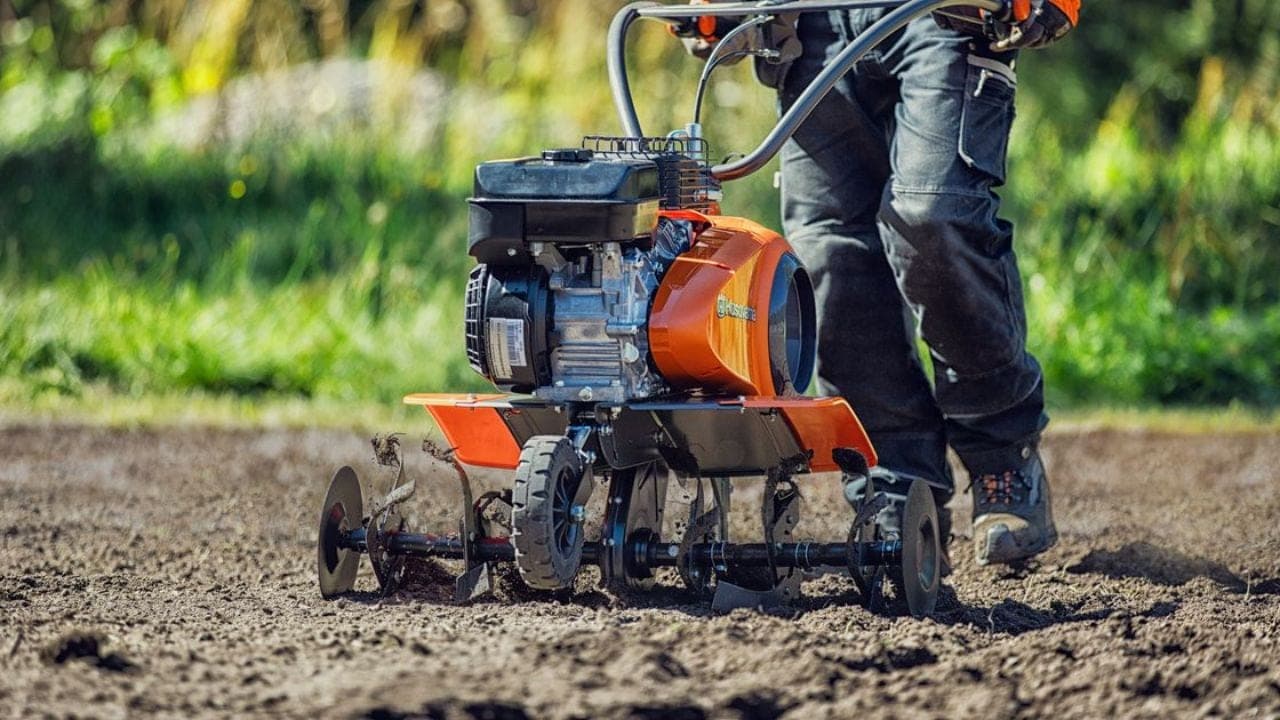
What a Power Weeder Really Costs to Run Per Acre
21 August 2026
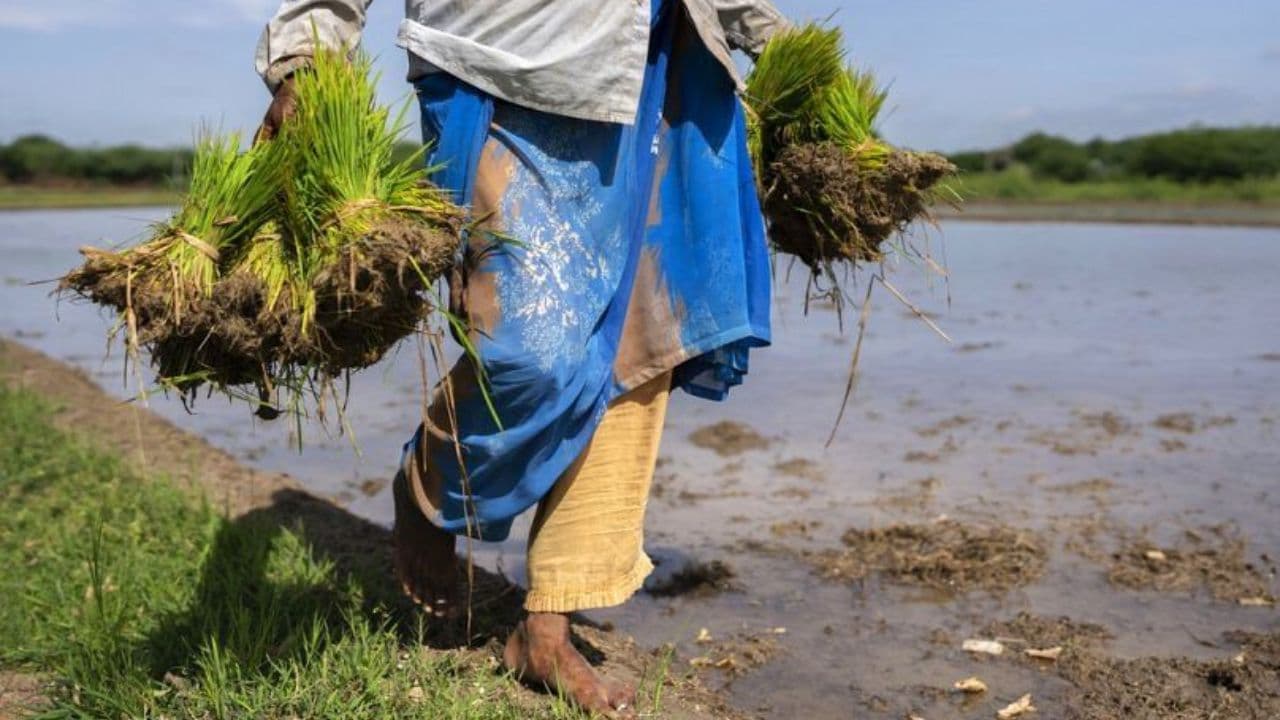
A Failed Carbon Project Is a Footnote. A Failed Farm Transition Is a Family in Debt.
16 August 2026
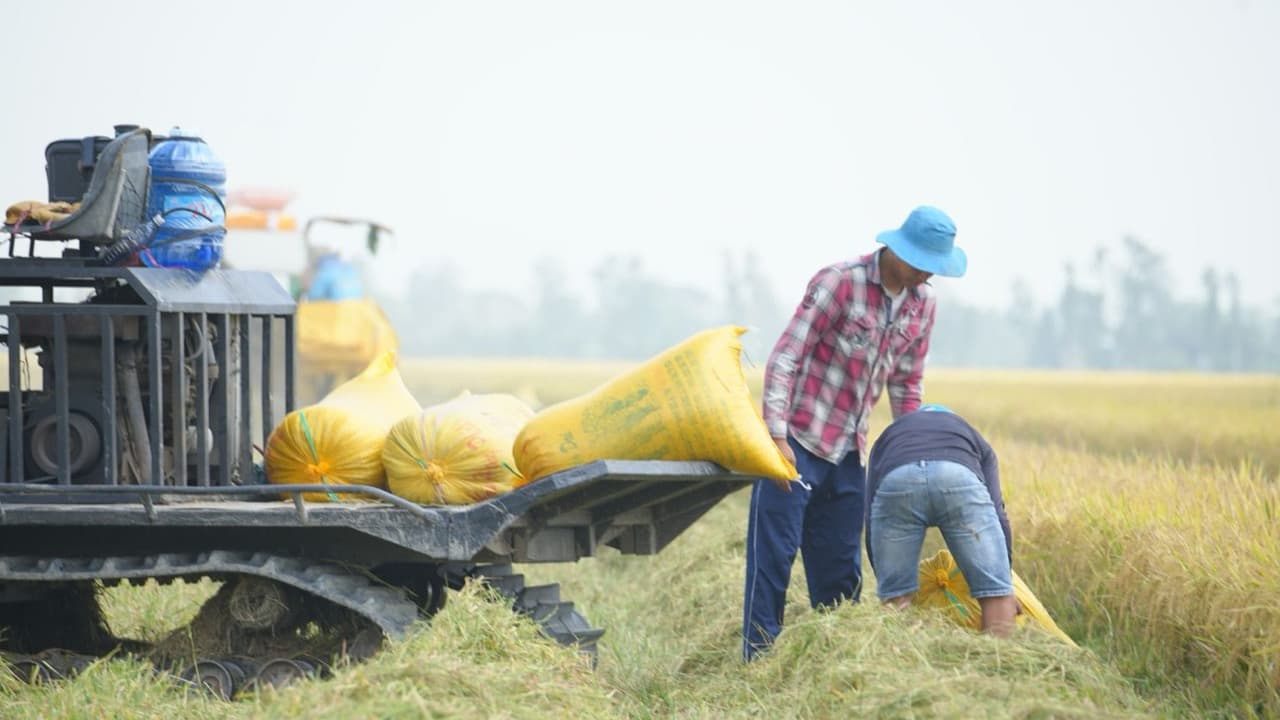
Fertiliser Sales Slump 13% in July as Monsoon Deficit and Thin Kharif Sowing Raise Crop Output Fears
13 August 2026
India Weighs Curbing Cane-to-Ethanol Diversion to Cool Record Sugar Prices
10 August 2026
Monsoon Crunch: Tomato, Onion & Potato Drive July Thali Costs Up, Though Annual Food Bills Remain Softer
10 August 2026
Non-Basmati Rice Prices Surge Over 10% as Monsoon Deficit and Supply Gap Bite
8 August 2026
Indian Rice Export Prices Hold Near 10-Month High as El Niño Tightens Supply Outlook
7 August 2026
India's Rice Procurement Rises 5% in 2025-26, Rabi Purchases Surge 18%
7 August 2026
Kharif Sowing Deficit Narrows to 2.9% as Surplus Rains Boost Acreage in Final Week of July
4 August 2026
Fertiliser Demand Rebounds in July as Kharif Sowing Picks Up Pace
2 August 2026
Tamil Nadu Raises Paddy and Sugarcane Procurement Incentives to Record Highs
10 August 2026
India Weighs Restricting Carbosulfan as Pesticide Crackdown Gathers Pace
9 August 2026
The Real Risks Behind Herbicide-Tolerant Rice (and How to Manage Them)
11 September 2026
Winning the Weed War in DSR: A Practical Herbicide Playbook
6 September 2026
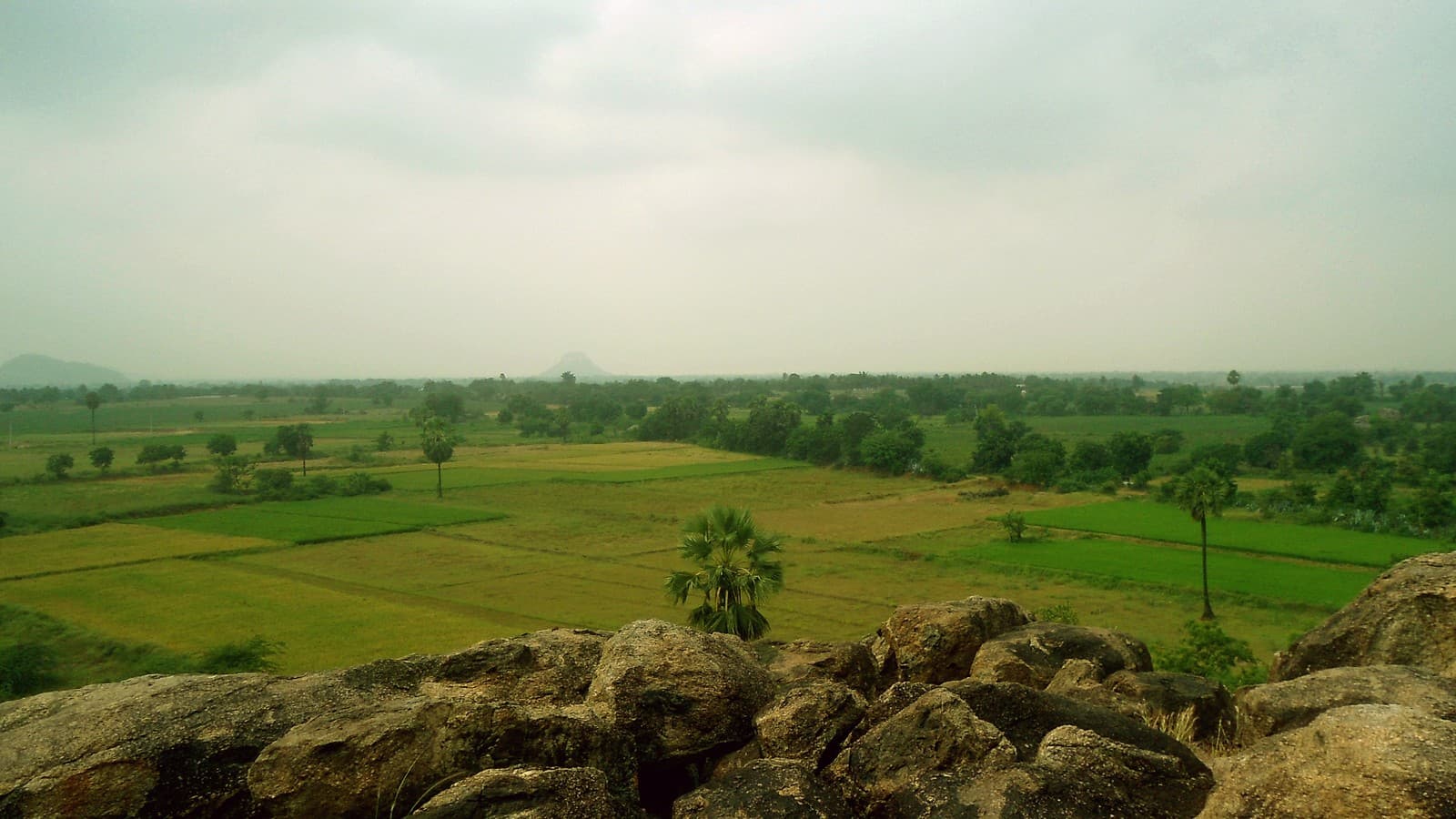
Vattar DSR: The Simple Soil-Mulch Trick Saving Farmers 2–3 Irrigations
1 September 2026
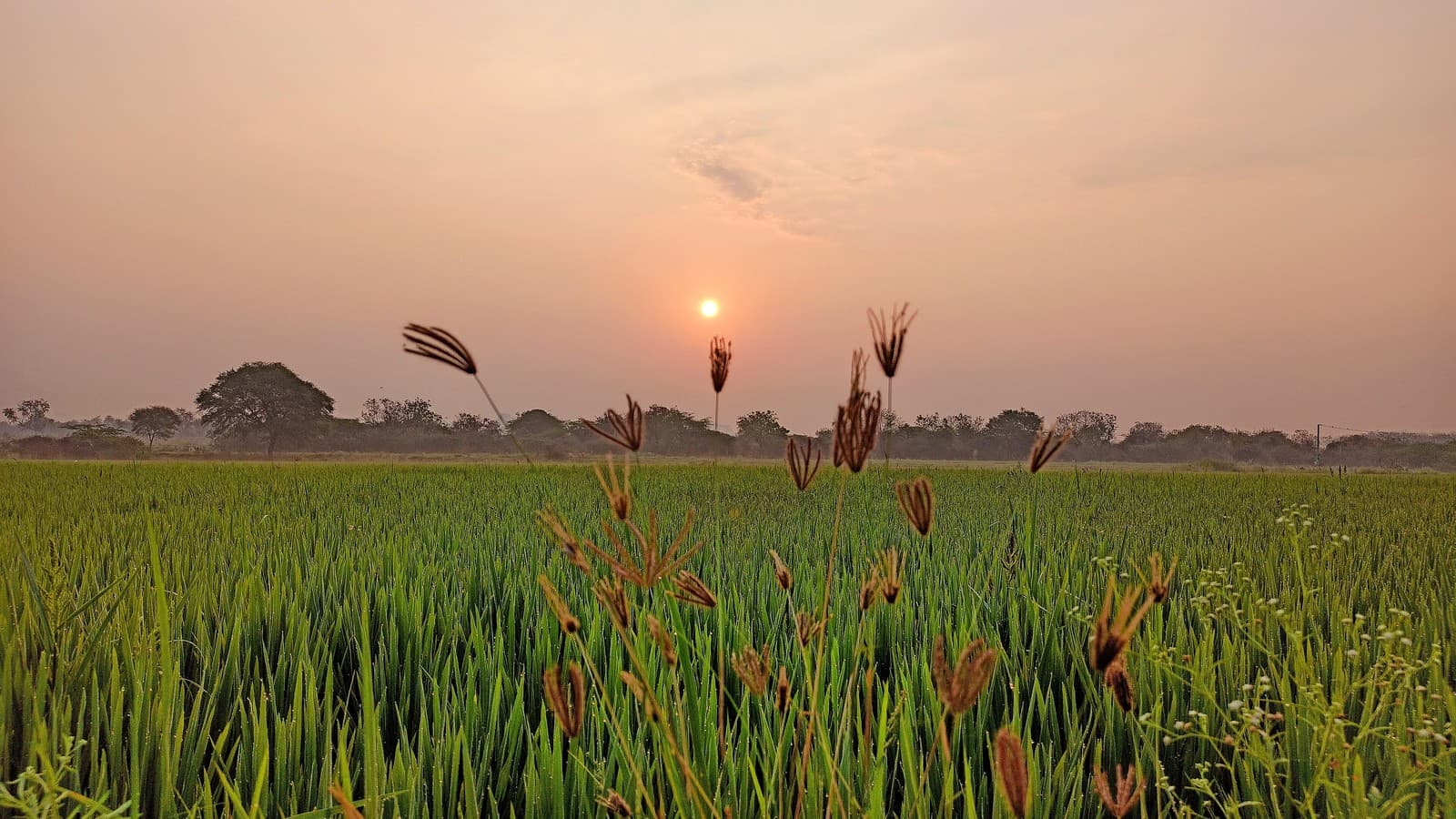
Seed Priming: A Low-Cost Yield Boost Any Farmer Can Try
27 August 2026
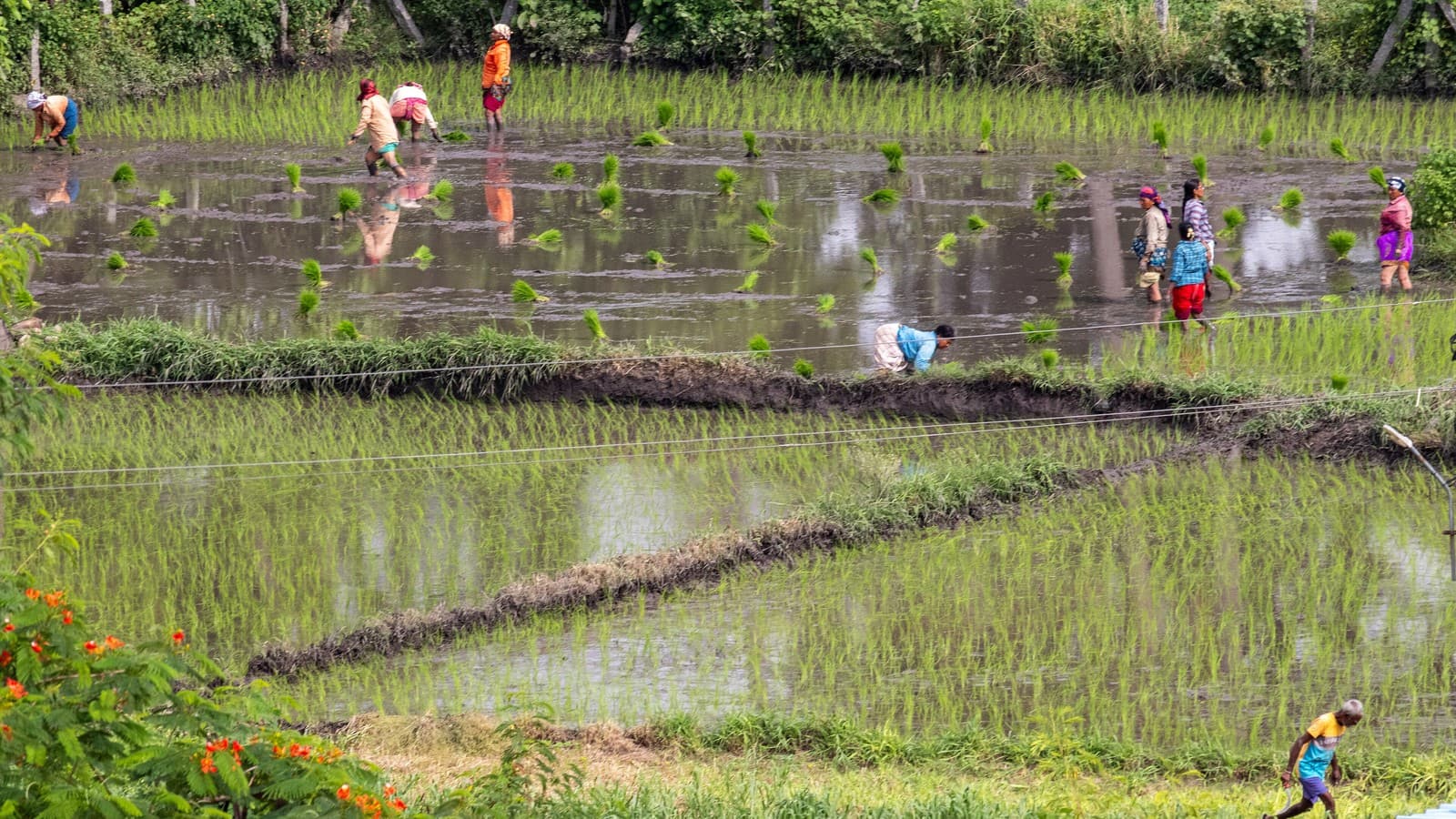
Machines That Are Transforming Direct-Seeded Rice
22 August 2026
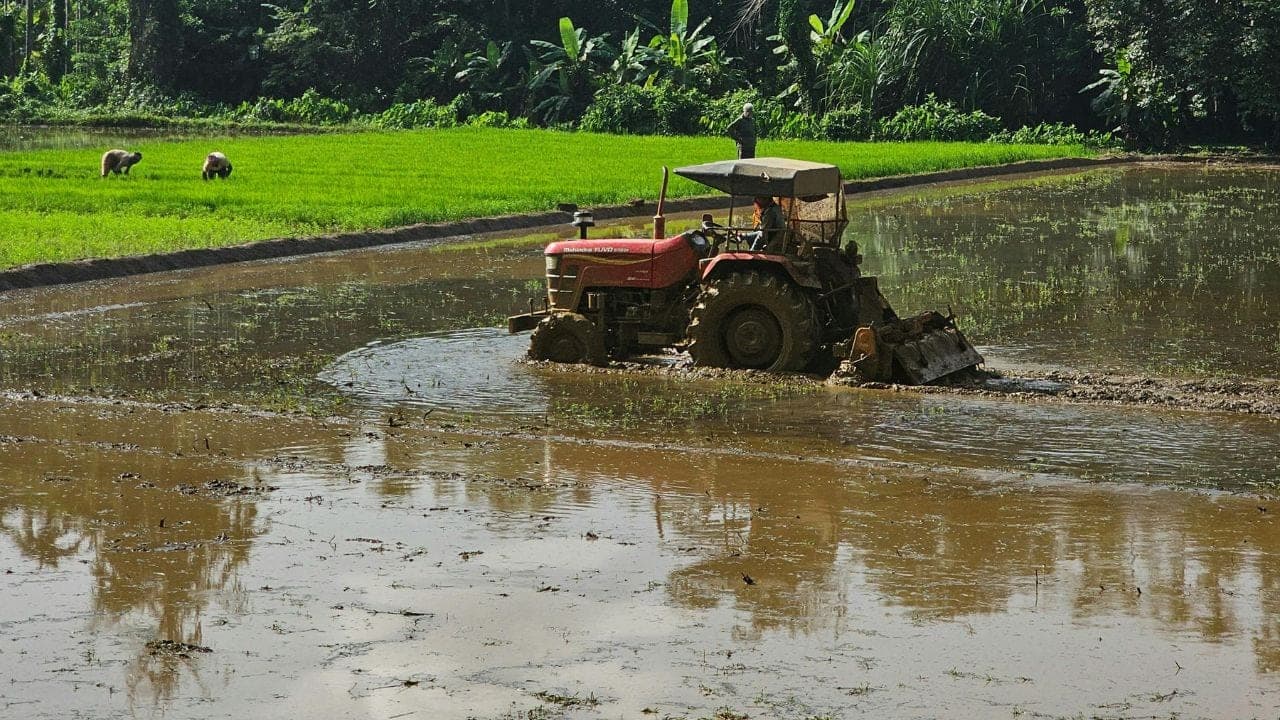
Why Wheat Yields Fall After Paddy: The Hardpan Under India's Rice Fields
20 August 2026
Herbicide-Tolerant Rice: India's Home-Grown Answer to the Weed Problem
12 August 2026
India's Gene-Edited Rice Varieties Edge Closer to Farmers' Fields This Rabi Season
7 August 2026
The DSR Map of India: Which States Are Leading and Which Are Lagging
2 August 2026
India-China Rice Trade Freezes as Beijing Bans Seven Indian Exporters Over GMO Claims
12 August 2026
Kharif Sowing Trails Last Year by 17.96 Lakh Hectares as Rice Area Falls 4.41%; Rainfall 11% Below Normal
11 August 2026