Monsoon Crunch: Tomato, Onion & Potato Drive July Thali Costs Up, Though Annual Food Bills Remain Softer
A 31% spike in tomato prices and rising onion and potato costs pushed the vegetarian thali up 4% month-on-month in July, even as both veg and non-veg thalis remained sharply cheaper than a year ago, per Crisil's Roti Rice Rate report.
The short answer
The cost of a home-cooked vegetarian thali climbed to ₹28.1 in July 2026 from ₹27.1 in June — a 4% month-on-month rise — driven by a seasonal surge in tomato prices and modest increases in onion and potato. Despite this near-term pressure, vegetarian thalis were still 14% cheaper year-on-year and non-vegetarian thalis were around 13% cheaper, as vegetable prices broadly remain well below levels seen in July 2025. Crisil's Roti Rice Rate report attributes the annual relief to improved crop output, comfortable stock levels, and a sharp fall in broiler chicken prices.
The July read
Monsoon Supply Squeeze Lifts Veg Thali to ₹28.1
The average cost of preparing a vegetarian thali at home rose 4% month-on-month to ₹28.1 in July, up from ₹27.1 in June, according to Crisil's Roti Rice Rate report — an index that tracks input prices across north, south, east, and west India. The non-vegetarian thali moved in the opposite direction, easing 2% to ₹53.5 from ₹54.8 the previous month, helped by a seasonal dip in broiler chicken demand.
The divergence reflects a familiar monsoon-season pattern: perishable vegetables face acute supply constraints while protein demand softens as consumers observe dietary restrictions during the Shravan period. For household budgets, the net effect is a pinch on everyday vegetarian meals even as non-vegetarian options become marginally more affordable.
Key staples
Tomato Leads the Charge; Potato and Onion Add to Pressure
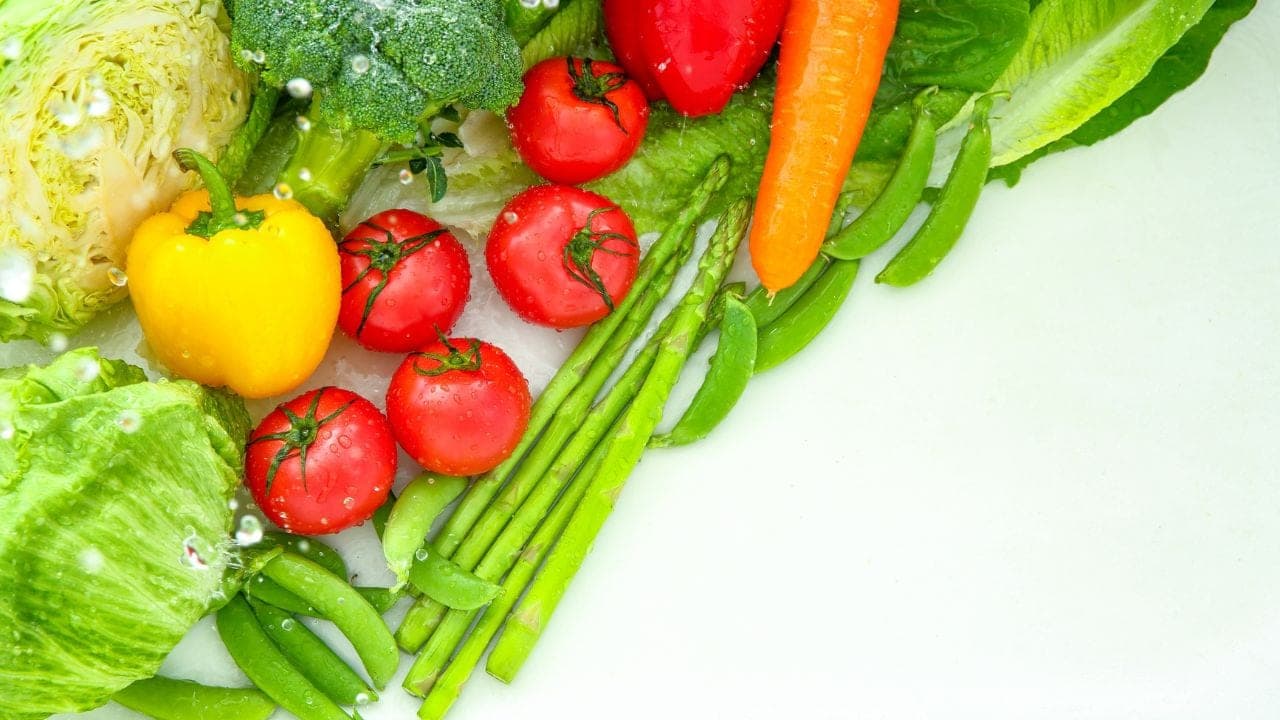
Tomato was the single largest driver of July's month-on-month increase. Prices of the kitchen staple surged 31% as market arrivals contracted by 27%, a sharp seasonal squeeze that regularly accompanies the monsoon months when transit losses rise and harvests from key growing belts thin out.
Potato and onion prices also edged higher — up 2% and 5% month-on-month, respectively — compounding the pressure on everyday cooking costs.
Yet context matters: despite July's spike, tomato prices were still 36% lower year-on-year at ₹42 per kg, compared with ₹66 per kg in July 2025. Potato and onion prices each fell 30% and 36% year-on-year, respectively. Improved onion production boosted supplies, while potato's sharp correction follows crop losses from blight infestations and adverse weather that had driven prices up a year ago.
What a household pays for onion and what a grower keeps are different questions: IndianAgri covers the farm side in onion cost, yield and profit per acre.
Broader basket
Pulses and Rice Offer Relief; Oil and LPG Work Against Consumers
Beyond vegetables, the annual picture for the thali basket is mixed. Pulses prices fell 14% year-on-year on the back of better crop output and comfortable stock positions — meaningful savings given that dal is a dietary staple across Indian households. Rice prices eased 4% year-on-year, adding incremental relief.
However, two cost centres moved against consumers:
- Vegetable oil prices rose 20% year-on-year, reflecting import cost pressures and global edible oil market dynamics.
- LPG cylinder prices increased 6% year-on-year, raising the fuel component of meal preparation.
These twin headwinds meant that even with softer vegetable prices, the full benefit of the annual moderation was only partially transmitted to household food bills.
Protein side
Broiler Price Drop Cushions Non-Veg Thali Despite Monsoon Dip in Demand
For non-vegetarian consumers, the dominant story in July was the continued softening of broiler chicken prices — down an estimated 12% year-on-year and 9% month-on-month. Since broiler chicken accounts for nearly half the cost of a non-vegetarian thali, this single ingredient largely explains why the overall non-veg thali cost fell to ₹53.5 in July.
Crisil attributes the price decline to two converging factors: weaker seasonal demand during the monsoon and the influence of the Shravan period, when a significant share of consumers traditionally abstain from meat. The combination of reduced offtake and adequate supply pulled broiler prices down, providing a meaningful offset to any pressure from other ingredients in the non-veg basket.
The annual view
Year-on-Year, Both Thalis Remain Significantly Cheaper Than July 2025
Stepping back from the monthly volatility, the vegetarian thali was 14% cheaper than in July last year, and the non-vegetarian thali was approximately 13% cheaper on a year-on-year basis — a broadly positive outcome for food affordability across income groups.
This annual moderation reflects a combination of factors: a high base from July 2025 when vegetable prices were elevated, improved agricultural production in key commodities, and easing of protein costs. Crisil's Roti Rice Rate index, which aggregates input costs across four Indian regions, presents a more grounded picture of household food inflation than headline wholesale or retail indices, making it a useful reference for policymakers tracking rural and urban consumption stress.
Why it matters
For India's farm households and food-supply chain, July's data is a mixed signal: monsoon-season supply disruptions can rapidly push up prices of perishables even when annual trends are benign, squeezing urban and rural consumers alike. The continued softness in pulses and rice prices offers a cushion, but rising vegetable oil costs — up 20% year-on-year — and higher LPG prices are structural headwinds that limit the pass-through of vegetable-price relief to the kitchen. Traders and policymakers should watch tomato arrivals closely as the season progresses; any further drop in market arrivals could amplify the month-on-month pressure seen in July.
Frequently asked
What was the cost of a vegetarian thali in July 2026?
According to Crisil's Roti Rice Rate report, the average cost of preparing a vegetarian thali at home rose 4% month-on-month to ₹28.1 in July 2026, up from ₹27.1 in June.
Why did tomato prices rise so sharply in July?
Tomato prices surged 31% month-on-month in July as market arrivals fell 27%, reflecting seasonal supply constraints that typically emerge during the monsoon when harvests thin and transit losses increase.
Are thali costs lower compared to a year ago?
Yes. Despite the monthly increase, the vegetarian thali was 14% cheaper year-on-year and the non-vegetarian thali was around 13% cheaper compared to July 2025, aided by improved crop output and a high base from last year.
What kept non-vegetarian thali costs from rising in July?
Broiler chicken prices — which account for nearly half the cost of a non-vegetarian thali — fell an estimated 12% year-on-year and 9% month-on-month, driven by weaker monsoon-season demand and reduced consumption during the Shravan period.
Source
This report summarises and analyses coverage from The Hindu BusinessLine — Agri Business. The analysis and India context are IndianAgri's own.