Fertiliser Demand Rebounds in July as Kharif Sowing Picks Up Pace
Improved monsoon rains in July drove a sharp recovery in fertiliser off-take, with urea accounting for nearly two-thirds of total sales — even as Q1 volumes lagged year-ago levels by 5 per cent.
The short answer
Fertiliser demand staged a strong comeback in the first half of July 2026, with 41.09 lakh tonnes sold by July 17 against a monthly estimate of 74.28 lakh tonnes — aided by accelerating kharif sowing after a rain-deficient June. Urea dominated at 25.86 lakh tonnes, reinforcing the entrenched skew in nutrient consumption. However, April–June quarter sales remained 5 per cent below last year's levels, weighed down by a weak monsoon and government measures to curb excess purchases.
The recovery
July Monsoon Bounce Pulls Fertiliser Demand Out of Slump
After a sluggish start to the kharif season driven by deficient rains in May and June, fertiliser off-take gathered momentum through the first half of July. By July 17, cumulative sales across the four major fertilisers reached 41.09 lakh tonnes (lt) — more than half of the month's projected demand of 74.28 lt, the peak requirement month for most kharif crops.
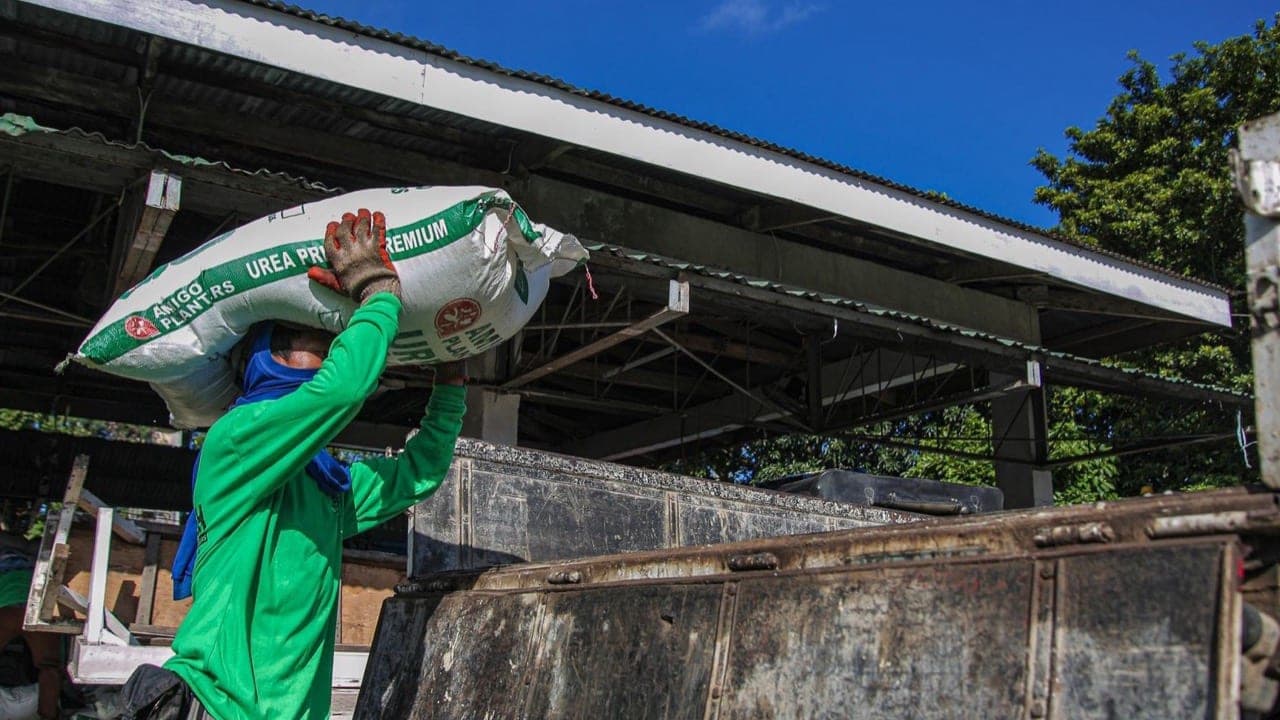
Urea remained the dominant product, with 25.86 lt sold — over 62 per cent of its estimated July demand of 41.67 lt and close to two-thirds of total fertiliser volumes. The scale of urea's dominance underscores a long-standing structural imbalance: despite years of government advocacy for balanced NPK nutrition, subsidised urea continues to crowd out other nutrients in farmers' purchasing decisions.
Crop by crop
Sowing Deficits Narrow Sharply as Rains Revive Field Activity
The fertiliser rebound tracked a marked improvement in kharif sowing progress during July. Paddy's sowing deficit narrowed to 2 per cent by July 31 from 9 per cent on July 10, while cotton's shortfall eased to 2 per cent from 15 per cent and maize's to 7 per cent from 20 per cent. Overall kharif acreage was less than 3 per cent below the year-ago level by month-end, compared with a 4.7 per cent gap just a week earlier.
Non-urea fertilisers, however, continued to lag their demand estimates proportionally. DAP recorded sales of 5.74 lt against a 12 lt projection, MoP at 1.07 lt against 3.54 lt, and complex fertilisers at 8.42 lt against 17.07 lt — indicating that farmers' incremental purchases leaned heavily on urea as the season accelerated.
There has been a significant rise in sowing of paddy, maize and cotton in July. Consequently, demand for fertilisers has increased. As the latest forecast also indicates normal to above-normal rainfall in many areas that were severely deficient in June, fertiliser demand is expected to rise further in August depending on the pace of sowing.
Expert view
Scientists Flag August as Critical Window for Fertiliser Consumption
Agriculture scientist S K Singh noted that significant gains in paddy, maize, and cotton sowing during July directly fed into firmer fertiliser demand, and flagged that further upside is possible. With the latest forecast pointing to normal-to-above-normal rainfall across several previously deficient zones, he indicated that August off-take would hinge closely on the pace of sowing activity.
The Agriculture Ministry's own August demand projections reflect this optimism: 38.01 lt of urea, 9.81 lt of DAP, 3.27 lt of MoP, and 15.27 lt of complex fertilisers. If sowing momentum holds and rainfall delivers, August could see consumption run close to, or ahead of, these estimates — a key data point for distributors, port planners, and import schedulers.
Q1 overhang
First-Quarter Sales Still 5% Below Last Year Despite Late Rally
The July pickup has not yet offset a weak April–June quarter. Total sales of the four major fertilisers in Q1 FY27 fell 5 per cent to 115 lt, against 121.19 lt in the same period a year ago.
Urea slid to 65.06 lt from 69.99 lt, while MoP and complex fertilisers also posted lower volumes. DAP held broadly steady at 16.25 lt.
Two factors drove the shortfall:
- An unusually strong April base effect: Sales surged 25 per cent to 23.59 lt that month, prompting the government to link fertiliser distribution with Agristack data in select states to check excess purchases.
- A rain-deficient June: Rainfall ended 35 per cent below normal, depressing kharif sowing by nearly 20 per cent and sharply curtailing field-level demand.
Improved rains since July have since reversed both sowing lags and consumption, though the full-season picture will depend on whether August sustains this recovery.
Why it matters
The sharp narrowing of sowing deficits across paddy, cotton, and maize by July-end signals that kharif acreage — and with it, fertiliser consumption — could normalise meaningfully by August, provided rainfall remains supportive. Yet the persistent dominance of subsidised urea, despite policy nudges toward balanced fertilisation, points to a structural challenge that neither improved monsoon conditions nor Agristack-linked distribution curbs have resolved. Traders and agri-businesses should watch August off-take closely, given that the Agriculture Ministry has projected demand of 38.01 lakh tonnes of urea and 9.81 lakh tonnes of DAP for the month.
Frequently asked
How much fertiliser was sold in India by July 17, 2026, and how does it compare to monthly demand?
Fertiliser sales reached 41.09 lakh tonnes by July 17 — more than half of the estimated monthly demand of 74.28 lakh tonnes for July, the peak sowing month for most kharif crops.
Why did fertiliser sales in Q1 (April–June) fall below last year's levels?
Q1 sales declined 5 per cent to 115 lakh tonnes from 121.19 lakh tonnes a year ago. A surge in April (up 25%) prompted the government to link distribution with Agristack data to curb excess buying, while a rain-deficient June — 35 per cent below normal — suppressed sowing and demand significantly.
What is the government's fertiliser demand projection for August 2026?
The Agriculture Ministry has projected August demand at 38.01 lakh tonnes of urea, 9.81 lakh tonnes of DAP, 3.27 lakh tonnes of MoP, and 15.27 lakh tonnes of complex fertilisers.
How much did kharif sowing deficits narrow by the end of July 2026?
Sowing deficits narrowed sharply: paddy's shortfall fell to 2 per cent from 9 per cent (as of July 10), cotton's eased to 2 per cent from 15 per cent, and maize's dropped to 7 per cent from 20 per cent. Overall kharif acreage was less than 3 per cent below the previous year's level by July-end.
Source
This report summarises and analyses coverage from The Hindu BusinessLine — Agri Business. The analysis and India context are IndianAgri's own.