FCI Rice, Maize Drive Ethanol Push: 3.9 MT and 6.8 MT Used in ESY 2025-26 Till June
India has deployed 3.9 million tonnes of surplus FCI rice and 6.8 million tonnes of maize for ethanol production in ESY 2025-26 till June, with the government affirming no adverse impact on food security or retail inflation.
The short answer
In the ongoing Ethanol Supply Year 2025-26, approximately 3.9 million tonnes of surplus FCI rice and 6.8 million tonnes of maize have been channelled into ethanol production up to June 2026. Minister of State for Petroleum & Natural Gas Suresh Gopi told the Rajya Sabha on Monday that the 20 per cent ethanol blending target has not compromised food crop availability or food security. Only surplus grain — after meeting National Food Security Act requirements and buffer stock norms — is being diverted for the programme.
The feedstock picture
Surplus Grain at Scale: Rice and Maize Lead Ethanol Feedstock Mix
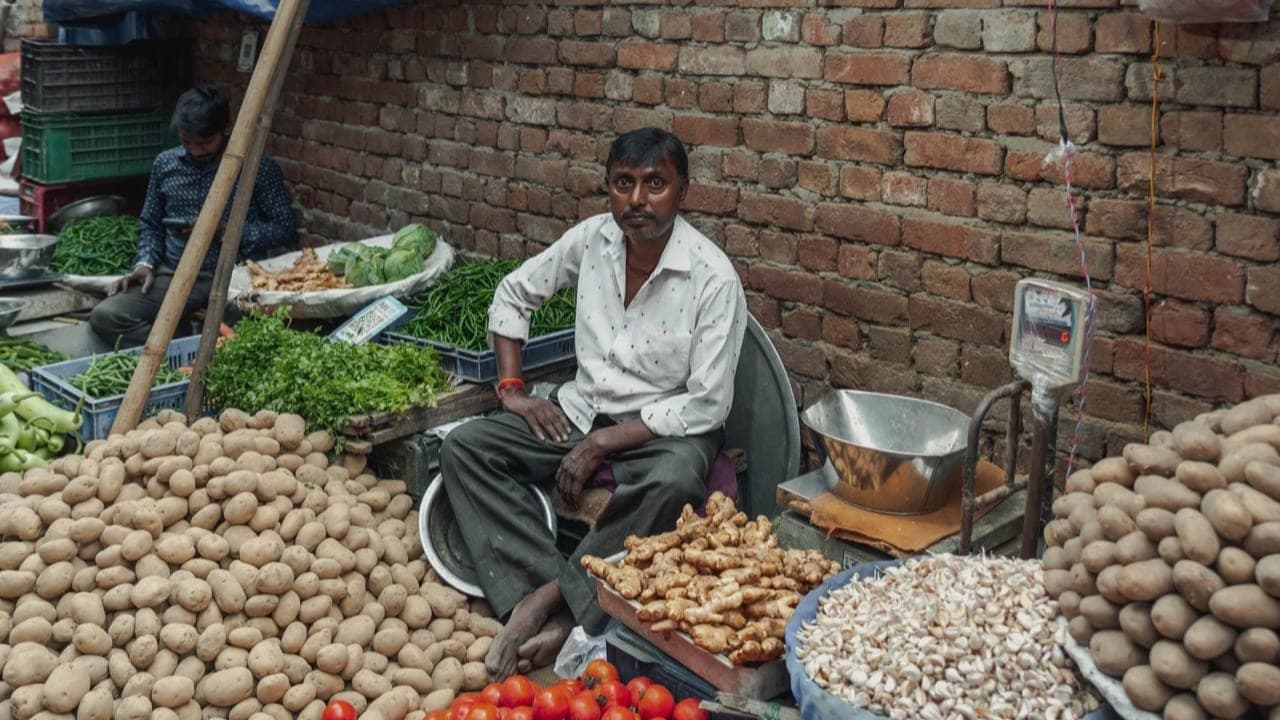
In ESY 2025-26, India's ethanol programme has drawn heavily on two key agricultural commodities. According to a written reply by Minister of State for Petroleum & Natural Gas Suresh Gopi in the Rajya Sabha on Monday, around 3.9 million tonnes of surplus FCI rice and roughly 6.8 million tonnes of maize have been utilised for ethanol production up to June 2026.
The government's feedstock policy rests on a clear sequencing principle: grain is eligible for ethanol diversion only after National Food Security Act (NFSA) requirements, Other Welfare Schemes (OWS) allocations, and prescribed buffer stock levels have been fully met. The Department of Food & Public Distribution makes the final determination on what constitutes 'surplus' in any given season.
The programme also accommodates damaged foodgrains, broken rice, and grain unfit for human consumption — produce that might otherwise deteriorate in storage — under what the Ministry describes as a 'waste-to-wealth' approach.
Food security assurance
Government Rules Out Inflation Impact From Rice and Sugar Diversion
Responding to concerns about the programme's effect on food prices, Gopi was categorical: "The target of 20 per cent ethanol blending has not affected food crop availability or India's food security."
On rice, the Minister stated that only volumes in excess of NFSA and buffer stock requirements are being redirected, insulating the retail market from any supply squeeze. On sugar, the government noted that annual retail sugar price increases are running at approximately 2.5 per cent compared to the previous sugar season 2024-25, and described current average retail sugar prices as being in a "reasonable range." Only surplus sugar is being diverted for ethanol.
The dual assurance — on both staple grains and sweeteners — is aimed at addressing parliamentary concerns that an aggressive blending target could inadvertently tighten domestic food supplies or push up prices for the end consumer.
The target of 20 per cent ethanol blending has not affected food crop availability or India's food security.
Procurement momentum
OMC Ethanol Purchases Surge: From 679 Crore Litres to Over 1,033 Crore Litres
The trajectory of ethanol procurement by public sector oil marketing companies (OMCs) illustrates the programme's rapid scaling:
- ESY 2023-24 (November 2023–October 2024): OMCs procured 679.04 crore litres for ₹48,757.01 crore
- ESY 2024-25: Procurement surged to 1,033.31 crore litres for ₹73,996.48 crore
- ESY 2025-26 (till June 2026): OMCs have already procured 705.43 crore litres for ₹49,577.36 crore
The year-on-year jump from ESY 2023-24 to ESY 2024-25 — both in volume and value — reflects expanded feedstock eligibility, improved distillery capacity, and stronger policy push. The mid-year figures for ESY 2025-26 suggest the programme remains on a robust footing, with procurement already exceeding full-year ESY 2023-24 volumes before the supply year has closed.
Policy direction
No Non-Blended Petrol Mandate on the Table; Cleaner Fuels Transition Reaffirmed
In a clarification that will be watched closely by fuel retailers and consumers, Gopi confirmed there is no proposal to mandate the availability of non-blended or lower-blend petrol at select retail outlets across the country.
The government's stated direction is an irreversible progressive transition towards cleaner, technologically superior, and environmentally sustainable fuels, anchored in the National Policy on Biofuels and the Ethanol Blended Petrol (EBP) Programme. This effectively rules out any policy backsliding that would create a parallel market for pure or low-blend petrol at the pump.
For agri-businesses and farmers involved in maize and sugarcane cultivation, this signals durable, policy-backed demand for ethanol feedstocks, reducing the risk of abrupt programme reversals that have historically unsettled upstream agricultural supply chains.
Why it matters
The scale of grain diversion — 3.9 MT of FCI rice and 6.8 MT of maize in a single supply year — signals that India's ethanol blending programme has matured into a significant offtake channel for surplus agricultural produce, with direct implications for grain price signals, storage costs, and the economics of maize cultivation. For commodity traders and agri-businesses, the sharp jump in OMC ethanol procurement from 679 crore litres in ESY 2023-24 to 1,033 crore litres in ESY 2024-25 underlines the programme's growing demand pull. Policymakers and farmers alike should note the government's firm stance against mandating non-blended petrol at retail outlets, signalling an irreversible policy direction toward higher blends.
Frequently asked
How much FCI rice and maize has been used for ethanol production in ESY 2025-26?
As of June 2026, approximately 3.9 million tonnes of surplus FCI rice and around 6.8 million tonnes of maize have been used for ethanol production in the current Ethanol Supply Year 2025-26.
Has India's ethanol blending programme affected food security or retail food prices?
The government has stated that the 20 per cent ethanol blending target has not affected food crop availability or food security. Only surplus grain — after meeting NFSA, Other Welfare Schemes, and buffer stock requirements — is diverted. Annual retail sugar price increases are running at around 2.5 per cent compared to the previous sugar season 2024-25.
How much ethanol did OMCs procure in ESY 2024-25 compared to earlier years?
OMCs procured 1,033.31 crore litres of ethanol for ₹73,996.48 crore in ESY 2024-25, up from 679.04 crore litres for ₹48,757.01 crore in ESY 2023-24. In ESY 2025-26 till June 2026, OMCs had already procured 705.43 crore litres for ₹49,577.36 crore.
Will non-blended or lower-blend petrol be made available at select retail outlets?
No. The government has clarified there is no proposal to mandate the availability of non-blended or lower-blend petrol at select retail outlets. Policy remains focused on a progressive transition to cleaner fuels under the National Policy on Biofuels and the Ethanol Blended Petrol Programme.
Source
This report summarises and analyses coverage from The Hindu BusinessLine — Agri Business. The analysis and India context are IndianAgri's own.
Edited by Devendra Kumar Jha. How we report, source and correct: editorial policy. Spotted an error? Tell us.