Dealer Network Strategy: The Channel Playbook Every Farm-Machinery Maker Needs
For India's farm-machinery manufacturers, a well-structured dealer network is not a peripheral sales function — it is the core business. Here is how to build one that lasts.
Expert insights
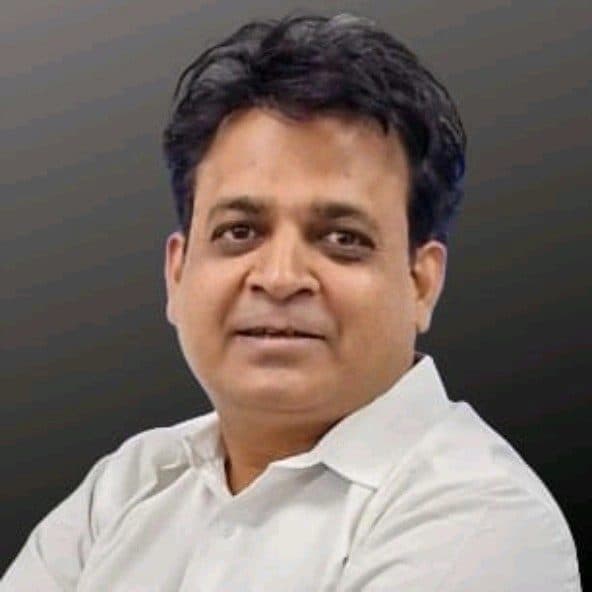
Devendra Kumar Jha · Founder, Agpro Consulting
Devendra Kumar Jha is an agricultural engineer and founder of Agpro Consulting, with over 25 years bridging corporate strategy and the Indian agri-sector.
The short answer
For farm-machinery manufacturers in India, the dealer network is the business — a superior product will consistently lose to a weaker one backed by stronger dealers. Key levers include appointing dealers for long-term staying power, designing territories before appointments are made, structuring credit architecture to support seasonal cash flows, and ensuring dealers can navigate subsidy schemes such as SMAM. Getting all four right is what separates manufacturers that scale from those that stall.
The core argument
Why the Dealer Network Is the Business, Not a Function of It
In farm machinery, the product is rarely the deciding factor at the point of sale. A technically superior machine sold through a weak dealer network will consistently lose business to a lesser machine backed by capable, well-supported dealers. This is the central truth that separates manufacturers who scale from those who plateau.
The implication is significant: channel strategy deserves the same rigour as product development. For a Ludhiana implement maker expanding beyond Punjab, the temptation is to appoint dealers quickly and cover territory fast. The discipline — and the harder job — is to appoint dealers who will still be actively selling and servicing the machine three years from now.
Appointment discipline
Appoint for Staying Power, Not Signing Speed
Rushing appointments to fill a map is one of the most common and costly mistakes in farm-machinery distribution. Four criteria should govern every appointment decision:
- Financial capacity to carry seasonal inventory and extend credit to farmers without becoming a credit risk themselves.
- Existing farmer relationships within the territory — trust built over years converts faster than a large showroom ever will.
- In-field service capability — the ability to fix a machine during harvest, in the field, when downtime is most costly.
- Category fit — a tractor dealer is not automatically the right partner for sprayers, balers, or implements that require different technical knowledge and customer relationships.
Territories must also be defined — by district, crop pattern, and realistic service radius — before appointments are made, not after. Most channel conflict is self-inflicted by overlapping territories sorted out too late.
The credit architecture
Working Capital Terms Decide Who Wins in a Seasonal Market
Farm machinery is a high-ticket, highly seasonal purchase. The entire distribution chain runs on credit, and getting its architecture right is where channel battles are actually won or lost.
Three pressure points define the credit challenge:
- Dealer inventory financing — the terms and channel-financing tie-ups that determine how much stock a dealer can carry into a season.
- Farmer credit — typically extended by the dealer; the manufacturer's terms to the dealer directly determine whether the dealer can afford to extend it.
- Seasonality — demand concentrates sharply around crop cycles, creating lumpy cash flows. A combine or baler dealer in the Sangrur belt, for instance, lives or dies on collections across a narrow harvest window.
A dealer on the right credit terms will outsell a more capable dealer on bad terms — every season, without exception.
Conversion infrastructure
Field Demos and After-Sales Are the Real Repeat-Purchase Engine
Farmers buy machinery they have seen working and trust will be supported when it breaks down. Two infrastructure elements drive repeat purchase above all others.
Field demonstrations timed to the crop calendar within the dealer's own territory are consistently the highest-converting marketing activity available to a machinery brand — outperforming advertising, trade fairs, and price promotions.
After-sales and spares availability is not a cost centre — it is the single biggest driver of the next sale. In-season downtime is catastrophic for a farmer and permanently damaging to a brand. Spares stocking, trained service technicians, and fast turnaround times are therefore survival infrastructure, particularly in high-mechanisation belts where seasonal clusters treat after-sales support as a non-negotiable.
The subsidy link
SMAM Empanelment Creates Demand — Only a Capable Dealer Converts It
Getting a model empanelled under SMAM and equivalent state subsidy schemes generates real demand among farmers who could not otherwise afford the machine. But empanelment alone does not produce a sale.
The conversion happens at the dealer level — through portal registration, documentation management, and the ability to furnish the Test Report and invoice required at pre-sanction stage in states such as Maharashtra. A dealer unable to navigate the subsidy claim process will lose that sale to a competitor, even one selling an inferior machine.
The strategic implication is straightforward: dealer enablement and subsidy participation are the same project, not two separate workstreams. Manufacturers that treat them as distinct will leave subsidised sales on the table. Ongoing network management — performance targets, regular reviews, training cadence, and replacing non-performers without destabilising a territory — completes the operating system.
Why it matters
As farm mechanisation deepens across India and state subsidy schemes such as SMAM expand the addressable market, the ability to convert empanelled demand into actual sales hinges entirely on dealer quality and enablement. Manufacturers — particularly the small and unorganised players that dominate India's implement sector — that treat dealer network-building as an afterthought risk losing subsidised sales to competitors with inferior machines but superior channel infrastructure. The actionable priority: treat dealer enablement and subsidy participation as a single, unified project rather than separate workstreams.
Frequently asked
What should a farm-machinery manufacturer evaluate before appointing a dealer?
Four criteria matter most: the dealer's financial capacity to carry inventory and extend farmer credit through a season; existing farmer relationships and trust within the territory; genuine in-field service capability; and category fit — a tractor dealer is not automatically suited to selling sprayers or balers.
Why does territory design need to happen before dealer appointments, not after?
Most channel conflict in farm machinery is self-inflicted — it arises from appointing overlapping dealers and attempting to draw boundaries later. Defining territory upfront by district, crop pattern, and realistic service radius, and writing it into the appointment, protects the dealer's investment and earns their commitment in return.
How does the SMAM subsidy scheme connect to dealer capability?
SMAM empanelment creates demand among farmers who could not otherwise afford a machine, but demand converts into a sale only through a dealer who can handle the subsidy claim — including portal registration, documentation, and furnishing the Test Report and invoice required at pre-sanction stage in states like Maharashtra. A dealer who cannot navigate this process will lose the sale to a competitor, even one with an inferior machine.
What makes after-sales service so critical in farm-machinery distribution?
In-season machinery downtime is catastrophic for a farmer and severely damaging to a manufacturer's brand. Spares availability, trained service technicians, and fast field turnaround are described not as a cost centre but as the single biggest driver of repeat purchase — making after-sales capability a survival issue, particularly in high-mechanisation seasonal belts.
This is an original IndianAgri report. The analysis and India context are IndianAgri's own.
Edited by Devendra Kumar Jha. How we report, source and correct: editorial policy. Spotted an error? Tell us.