ICAR to Cap Rice and Wheat Acreage, Sets 52 Task Teams for India's 2047 Agriculture Roadmap
ICAR's Vision 2047 roadmap, developed with NITI Aayog, caps rice area at 53–55 mn hectares and targets agriculture output of 2.1 billion tonnes — backed by 52 cross-institutional task teams and a new integrated scheme, HARVEST.
The short answer
India's apex agricultural research body, ICAR, has unveiled a sweeping 2047 roadmap that caps rice cultivation at 53–55 million hectares and plans a parallel reduction in wheat area, redirecting acreage towards maize, pulses, nutritional cereals, and horticulture. The plan, developed alongside NITI Aayog, targets a near-doubling of total agriculture output to 2.1 billion tonnes and sets ambitious benchmarks across mechanisation, water use, and post-harvest loss reduction. To drive the agenda, ICAR has constituted 52 task teams operating under a defined 'theory of change' framework.
The big pivot
Rice and Wheat Acreage to Be Reined In Under 2047 Vision
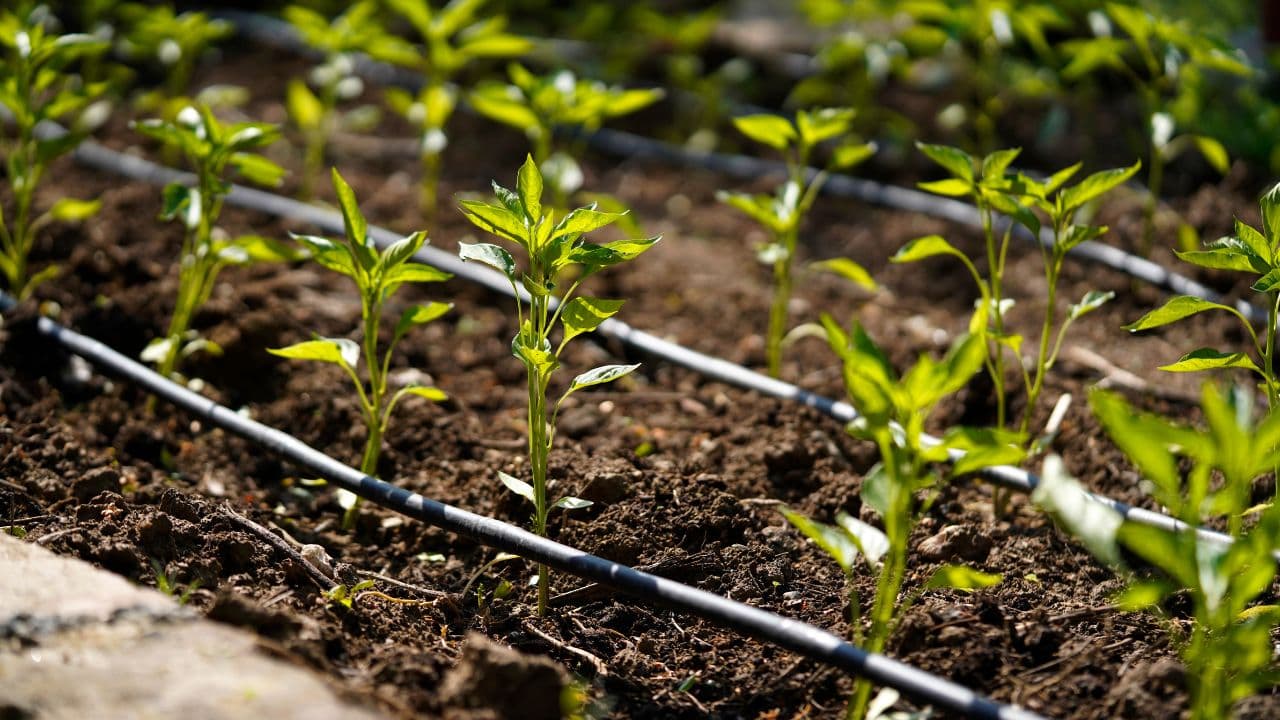
For the first time, ICAR has put a formal ceiling on India's two dominant food crops. Under Vision 2047, rice cultivation will be capped at 53–55 million hectares, with a comparable restraint planned for wheat. The freed-up acreage is to be redirected toward maize, nutritional cereals, pulses, and horticulture — crops that offer better nutritional diversity and, in several cases, lower water intensity.
The diversification blueprint was prepared in consultation with NITI Aayog, signalling that this is a whole-of-government priority, not merely an academic exercise. ICAR Director General M L Jat disclosed the contours of the plan at the council's 98th Foundation Day in New Delhi on Thursday, describing the crop-area targets as demand-driven and science-led.
To operationalise the roadmap, ICAR has constituted 52 task teams drawn from across its divisions and institutions. Each team operates under a 'theory of change' framework — a structured approach that ties research activity to measurable development outcomes rather than open-ended inquiry.
Production targets
From 1.3 to 2.1 Billion Tonnes: ICAR's Sectoral Ambitions
The 2047 roadmap is anchored in a set of sector-specific production targets that collectively paint an ambitious picture of Indian agriculture two decades from now:
- Agriculture output: 2.1 billion tonnes, up from the current 1.3 billion tonnes
- Horticulture: 797 million tonnes, against the current 369.7 million tonnes
- Milk: 628 million tonnes, up from 247.87 million tonnes
- Fisheries: 40 million tonnes, from 19.5 million tonnes currently
- Agroforestry cover: 50 million hectares, against 28.4 million hectares now
The roadmap also targets structural improvements in farm systems. Farm mechanisation, presently at 47 per cent, is to exceed 80 per cent by 2047. Nutrient use efficiency must climb from 35 per cent to over 75 per cent. Water use efficiency is pegged at 40–80 per cent, and post-harvest losses — currently running at 20 per cent — are to be brought down to zero. Contextualised, farmer-specific service delivery is to be scaled to 100 per cent coverage.
Institutional reform
HARVEST Scheme Consolidates Eight Programmes Into One
Alongside the 2047 roadmap, ICAR launched HARVEST — Harnessing Agri-Food Research, Vibrant Extension and Education for Science-led Transformation — a new integrated scheme that merges eight existing ICAR programmes into a single operational framework.
The scheme will be underpinned by four institutional pillars:
- A Monitoring, Evaluation, Learning and Impact Assessment (MELIA) platform
- A central data management system
- A knowledge and communication strategy
- A national gender platform
The consolidation is designed to reduce fragmentation across ICAR's research and extension activities, directing resources more efficiently toward the 2047 goals. State-specific science-based agricultural roadmaps, prepared on the directions of the Prime Minister, are also underway. West Bengal's roadmap was presented this week, following earlier submissions for Uttar Pradesh, Uttarakhand, Assam, Maharashtra, and Goa.
Year in review
₹1,70,000 Crore in Value Added Across Four Sectors in One Year
ICAR's Foundation Day also served as a performance review for the past year, with the council reporting notable gains across agriculture, horticulture, dairy, and fisheries.
Foodgrain production rose by 19 million tonnes, generating ₹60,000 crore in value, and has more than tripled over the last 12 years compared with growth seen between 2001 and 2014–15. Horticulture output grew 97 million tonnes over 12 years, with last year's increment alone valued at ₹20,000 crore. The dairy and livestock sector contributed ₹50,000 crore in value, and fisheries — which has doubled in output since 2014 — added ₹40,000 crore.
Combined, the four sectors generated ₹1,70,000 crore in value last year, with research contributing roughly a third — approximately ₹55,000 crore. ICAR released 386 crop varieties across 34 crops in 2025, of which 94 per cent were climate-resilient and 29 were biofortified. In horticulture, 117 varieties across 57 crops were released. Foot-and-mouth disease outbreaks in livestock fell by 85 per cent, and six new fish species were discovered during the year.
Farmer outreach
'Khet Bachao' Campaign Reached One Crore Farmers Directly
On the extension front, ICAR's 'Khet Bachao' campaign, run through June, mobilised 1,657 teams across 728 districts and conducted over 1.31 lakh programmes. The drive reached one crore farmers through direct engagement and an additional five crore through media outreach.
ICAR also flagged an 85 per cent reduction in stubble burning over the past year — an achievement that received acknowledgement in Parliament — and reported that its intellectual property portfolio grew 33 per cent between 2021 and 2025.
Long-term strategic priorities disclosed at the event include self-sufficiency in domestic fertiliser production, land degradation neutrality, net-zero agriculture, and improved nutrition outcomes. ICAR's expenditure utilisation for 2025 stood at 99.73 per cent, the highest in the council's history — a metric that will matter to policymakers evaluating the case for enhanced research funding.
Why it matters
A formal cap on rice and wheat acreage would represent a structural shift in India's cropping pattern — one with direct implications for input markets, procurement policy, and the livelihoods of millions of farmers in paddy- and wheat-belt states. For commodity traders and agri-businesses, the push into maize, pulses, and horticulture signals emerging demand corridors worth tracking. Policymakers will need to align MSP frameworks, irrigation investment, and extension services with the diversification goals if the 2047 targets are to move from roadmap to reality.
Frequently asked
What is ICAR's target for rice cultivation area under Vision 2047?
ICAR plans to cap rice cultivation at 53–55 million hectares under its 2047 roadmap, with a similar reduction planned for wheat area, redirecting acreage toward maize, pulses, nutritional cereals, and horticulture.
What is the HARVEST scheme launched by ICAR?
HARVEST — Harnessing Agri-Food Research, Vibrant Extension and Education for Science-led Transformation — is a new integrated scheme that consolidates eight existing ICAR programmes into one framework, supported by a MELIA platform, a central data management system, a knowledge and communication strategy, and a national gender platform.
What is ICAR's overall agriculture production target for 2047?
ICAR aims to raise total agriculture production to 2.1 billion tonnes by 2047, up from the current 1.3 billion tonnes, with corresponding targets for horticulture (797 mn tonnes), milk (628 mn tonnes), fisheries (40 mn tonnes), and agroforestry cover (50 mn hectares).
How much value did India's four key agricultural sectors contribute last year?
Agriculture, horticulture, dairy and livestock, and fisheries together contributed ₹1,70,000 crore in value last year, with ICAR-linked research accounting for approximately ₹55,000 crore — roughly a third of that total.
Source
This report summarises and analyses coverage from The Hindu BusinessLine — Agri Business. The analysis and India context are IndianAgri's own.