Why India's Farmers Are Walking Away — And How Organic Profits Could Bring Their Children Back
A silent exodus is draining India's farming workforce as chemical dependency and broken market pricing push growers out — but one regenerative farming model is demonstrating that organic agriculture can deliver ₹50,000 net monthly profit an
Expert insights
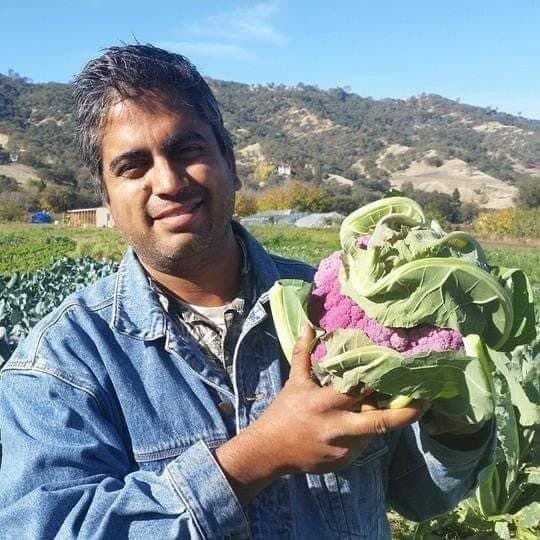
Shankar Venkataraman · Founder & CEO, Bhoomi Farms
Shankar Venkataraman is Founder and CEO of Bhoomi Farms, a regenerative organic farming enterprise he has led for 15 years after leaving a career in engineering.
The short answer
India's farming sector is experiencing a quiet but deepening crisis: most active farmers are above 50 years of age, and their children are leaving for cities rather than inheriting the land. Chemical farming and an unfair Mandi pricing system have destroyed farmer trust in the broader agri-ecosystem. However, regenerative organic farming models are showing that farming can be financially competitive with urban employment — and potentially far more rewarding in net savings terms.
The exodus
India's Farming Workforce Is Ageing and Shrinking
A structural crisis is quietly reshaping Indian agriculture. Across the farming sector, the people still willing to grow food are predominantly those who have crossed 50 years of age. Younger generations — the children of farmers — are choosing city employment instead, lured by the apparent security of a monthly salary and urban infrastructure.
The root cause, as practitioners in the field observe, is not simply a preference for city life. It is a collapse of trust. Farmers have been sold inputs, services, and technologies by a parade of vendors, yet when it comes time to sell their produce, fair pricing remains elusive. The Mandi system, as it currently operates, has compounded this alienation, offering little assurance of a remunerative return on labour and investment.
The result: farming is increasingly seen not as a livelihood but as a burden to escape — a perception that, if uncorrected, poses a long-term threat to India's food security.
The chemical trap
Why Farmers Turned to Chemicals — and What It Has Cost the Soil
Understanding the dominance of chemical farming in India requires empathy, not just criticism. Inputs such as urea, DAP, potash, NPK liquid formulations, and toxic herbicides — including those used to desiccate standing crops like sunflowers and potatoes ahead of harvest — have made farming operationally simpler. In a context where margins are thin and labour unreliable, the appeal of a system that eliminates unpredictability is understandable.
But the long-term costs are severe. Chemical farming degrades soil organic matter, accelerates erosion, pollutes water systems, and leaves toxic residues in the land and in food. Nutritional density per kilogram of produce declines. The soil itself, the foundational capital of any farming enterprise, is steadily depleted.
Organic farming, by contrast, builds soil year after year, is non-toxic to soil life, reduces erosion and water contamination, and produces crops with higher nutrition per kilogram — benefits that compound over multiple growing seasons and generations.
Food cannot be cheap, but it can be affordable. People growing your food cannot be poor. The soil cannot pay the price for consumerism.
The profit case
The Numbers That Could Bring the Next Generation Back to the Farm
The argument for reversing the rural exodus is, at its core, a financial one — and the numbers are striking when laid out side by side.
A farmer's child employed in a city might earn ₹30,000 per month. With urban living costs running at approximately ₹20,000, monthly savings amount to roughly ₹10,000. Compare this with a farming household operating under an organic model: net monthly farm profit of at least ₹50,000, with village living costs of around ₹10,000 (food and accommodation being largely self-provided on the farm), leaves monthly savings of up to ₹40,000.
The gap is fourfold. This arithmetic, practitioners argue, should be central to how India thinks about agricultural policy and rural retention. Vegetable crop farmers working within structured organic agronomy programmes — with regular field visits and daily agronomist support — are already achieving these returns, demonstrating that the model is replicable, not theoretical.
The organic opportunity
Scale, Innovation, and the Path to Affordable Organic Food
A reinforcing cycle is possible, though it requires deliberate effort to initiate. As organic farming becomes financially attractive enough to draw younger farmers back to agriculture, it will also attract entrepreneurial capital, research attention, and technological innovation — all of which tend to drive down the cost of production over time.
Lower production costs, in turn, make organic food more accessible to a broader consuming public, expanding the market and further improving farmer economics. The principle articulated here is worth holding onto: food cannot be cheap, but it can be affordable — and affordability is a function of production efficiency, fair pricing, and a market structure that does not extract value from the grower.
For agri-businesses, the implication is clear: organic agronomy services, traceability infrastructure, and direct market linkages are not niche plays — they are foundational to a sustainable food system that works for both producer and consumer.
Why it matters
If the generational exit from farming continues unchecked, India's food production base will narrow dangerously, concentrating risk in an ageing, chemically dependent workforce. The economic case laid out here — village savings of ₹40,000 per month versus ₹10,000 in the city — reframes the policy conversation: rural profitability, not just rural subsidies, may be the lever that reverses the exodus. Policymakers and agri-businesses alike should watch whether scalable organic agronomy support models can mainstream this income shift before the next generation is irreversibly lost to urban migration.
Frequently asked
Why are Indian farmers increasingly abandoning farming?
Most farmers still active in the sector are above 50 years of age, while their children prefer urban employment. A key driver is the loss of trust in the system — vendors sell farmers inputs and services, but fair pricing for their produce at the Mandi level remains absent, making farming financially unattractive.
Why do Indian farmers rely on chemical inputs despite knowing the risks?
Chemical inputs such as urea, DAP, potash, and herbicides simplify farm operations significantly. In a low-margin, labour-scarce environment, the predictability they offer is appealing — even if farmers are aware of the long-term damage to soil health, water quality, and nutritional value of produce.
How does organic farming compare financially to urban employment for a farmer's child?
A farmer's child in the city may earn ₹30,000 per month, with living costs of ₹20,000, leaving savings of ₹10,000. By contrast, an organic farmer can earn a minimum net profit of ₹50,000 per month, with village living costs of around ₹10,000 — leaving monthly savings of up to ₹40,000, or four times the urban figure.
Can organic farming eventually become affordable for all consumers?
Proponents argue yes. As organic farming becomes more financially rewarding, it will attract more farmers, entrepreneurs, and innovators — which tends to drive down production costs over time. Lower costs make organic food accessible to a wider consumer base, expanding the market and improving returns for growers in a self-reinforcing cycle.
This is an original IndianAgri report. The analysis and India context are IndianAgri's own.
Edited by Devendra Kumar Jha. How we report, source and correct: editorial policy. Spotted an error? Tell us.