From Pilot to 100+ kg a Day: How an Indoor Strawberry Farm Took Root in Bengaluru
A Netherlands-based team's small Chennai pilot has scaled into a commercial indoor strawberry farm in Bengaluru producing over 100 kg of fresh fruit daily — proving that vertical farming can work at scale in India.

Founders Journey
Vishal Bhosale · Founder & CEO, Nexsel Tech Pvt Ltd
Vishal Bhosale is Founder and CEO of Nexsel Tech Pvt Ltd, which he established in 2017 to deliver LED grow-light and spectral solutions for horticulture and controlled-environment agriculture.
The short answer
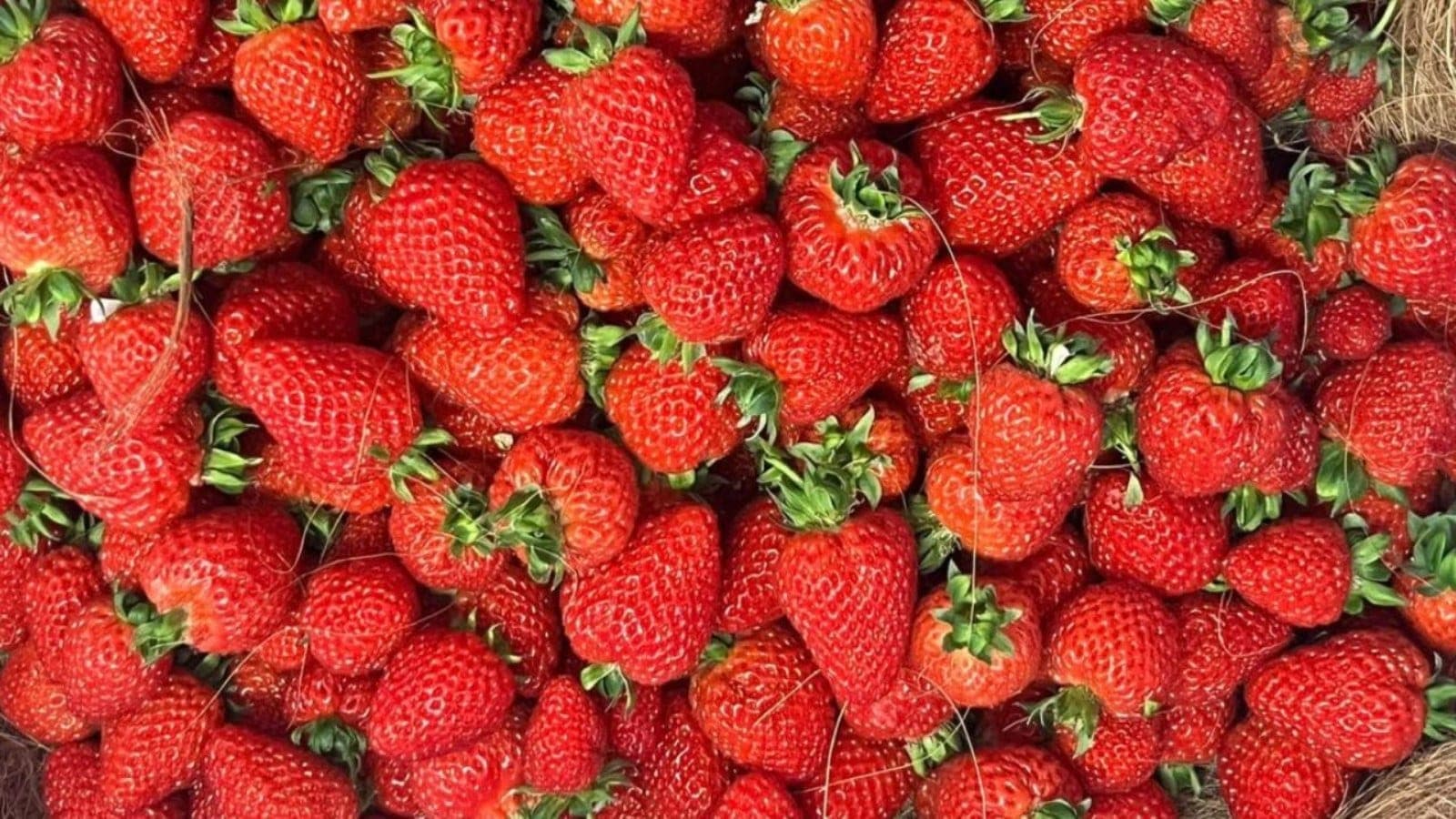
A commercial indoor strawberry farm in Bengaluru is now producing more than 100 kg of fresh strawberries every day, having grown from a small pilot project in Chennai over roughly two and a half years. The project was initiated by a team from the Netherlands and supported by LED grow-light solutions from Nexsel Tech. The journey — from initial scepticism to commercial-scale output — offers a proof-of-concept for viable indoor horticulture in India.
The beginning
A Dutch Team, a Sceptical Supplier, and a Chennai Pilot
About two and a half years ago, a team based in the Netherlands approached Nexsel Tech with plans to build an indoor strawberry farm in India. The enquiry was met with genuine doubt — not least because India already has well-established strawberry-growing regions such as Mahabaleshwar, and the post-COVID period had seen several indoor farming ventures falter.
What changed the calculus was the nature of the conversation itself. Unlike most prospects who open with price negotiations, this team's first questions centred on performance benchmarks, energy efficiency, and technical specifications — a signal that they were engineering a long-term business rather than testing a trend.
The engagement began with a small pilot project in Chennai, allowing both sides to validate the technology under real operating conditions before committing to a larger footprint.
The scale-up
Two Years of Iteration — Then a Commercial Farm in Bengaluru
Over the following two years, the collaboration moved through successive cycles of refinement. The lighting solution was adjusted, new features were incorporated, and the system was stress-tested as the project expanded in scope.
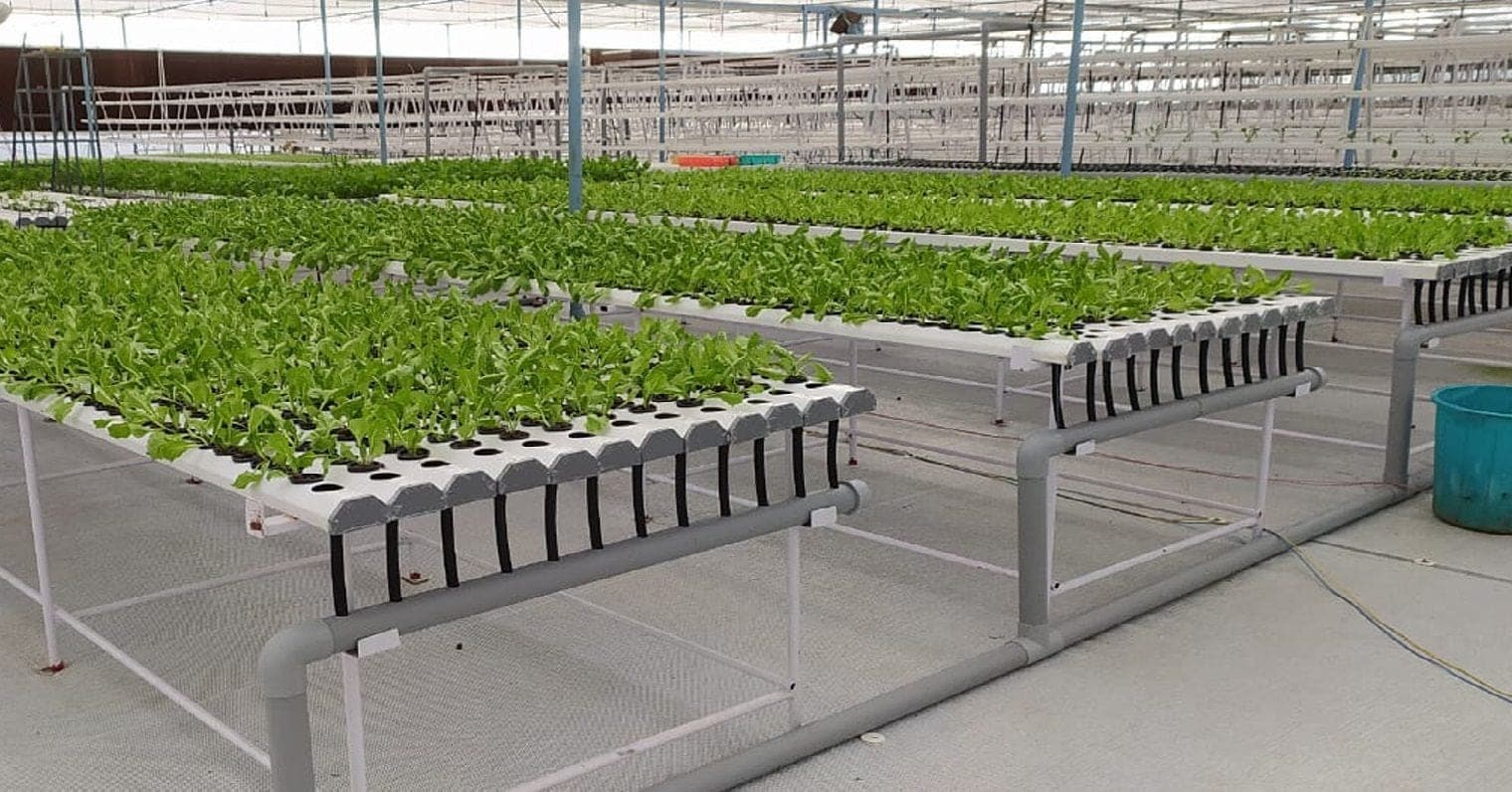
The destination was a commercial indoor farm in Bengaluru. When Nexsel's team visited the facility recently, they found a fully operational growing environment capable of yielding over 100 kg of fresh strawberries per day — a production rate that would have seemed improbable at the outset.
Key milestones in the journey:
- Initial pilot: Chennai
- Duration of development and scale-up: approximately two years
- Final commercial output: 100+ kg/day in Bengaluru
The transition from a cautious pilot to consistent daily harvests at that volume underscores how iterative, data-driven development can de-risk what initially appears to be a commercially unviable proposition.
Breakthrough projects often look commercially impossible in the beginning. The only way to know is to test, learn, and keep improving.
The takeaway
What This Proves About Indoor Farming's Commercial Viability in India
The Bengaluru strawberry farm is significant not just as a single success story but as a demonstration of method. The project succeeded because the client prioritised performance over cost from day one, and because the technology partner was willing to begin small and improve iteratively rather than promise a turnkey solution.
India's conventional strawberry cultivation remains concentrated in specific climate-advantaged geographies. An indoor facility capable of producing over 100 kg daily in a metro like Bengaluru points toward year-round supply, proximity to premium urban consumers, and reduced post-harvest losses — advantages that traditional field cultivation cannot easily replicate.
For the broader controlled-environment agriculture ecosystem in India, the lesson is straightforward: proof-of-concept pilots, rigorously executed, are the most reliable path to commercial scale.
Why it matters
This case signals that controlled-environment agriculture for premium fruit crops is no longer a theoretical exercise in India — it is commercially operational. For agri-businesses and investors, the scale-up from a single pilot to daily triple-digit harvests within two years demonstrates a replicable model worth watching. Policymakers promoting high-value horticulture and technology-led farming should take note of how international expertise and domestic execution can converge to deliver results outside traditional growing belts.
Frequently asked
Where is the commercial indoor strawberry farm located?
The commercial farm is located in Bengaluru. The project began as a small pilot in Chennai before scaling up to the Bengaluru facility.
How much does the indoor farm produce each day?
The Bengaluru indoor strawberry farm is capable of producing more than 100 kg of fresh strawberries every day.
How long did it take to go from pilot project to commercial scale?
The journey spanned approximately two and a half years, from the initial enquiry to the visit to the fully operational commercial farm.
Who initiated the indoor strawberry farming project in India?
The project was initiated by a team based in the Netherlands, who approached Nexsel Tech to supply LED grow-light solutions for the indoor farm.
This is an original IndianAgri report. The analysis and India context are IndianAgri's own.