Ladakh Eyes 1,000-Tonne UAE Apricot Export Push as LG Flags Off First Consignment
A five-metric-tonne inaugural shipment of Halman apricots from Kargil heads to the UAE, kicking off an ambitious season backed by an MoU with retail giant Lulu — a near-700x scale-up from last year's exports.
The short answer
Ladakh's Lieutenant Governor Vinai Kumar Saxena flagged off the first export consignment of fresh Halman apricots from Kargil to the UAE from Ladakh Bhavan in New Delhi. The opening shipment of five metric tonnes marks the start of a season in which Ladakh's administration is targeting 1,000 metric tonnes of apricot exports under a formal MoU with UAE retail conglomerate Lulu. This is a dramatic jump from last year, when only 1.5 metric tonnes were exported — and those went to Saudi Arabia, Kuwait, and Qatar, not the UAE.
The Flagoff
First Consignment Departs for the Gulf
Lieutenant Governor Vinai Kumar Saxena formally launched the 2026 Ladakhi apricot export season in New Delhi, flagging off the inaugural five-metric-tonne shipment of fresh Halman apricots destined for the UAE. According to Chief Horticulture Officer Kunzang Wangmo, who spoke to The Hindu BusinessLine, the consignment was dispatched from Ladakh Bhavan in New Delhi — a departure point that underscores the logistical complexity of moving fresh produce from one of India's highest-altitude regions to international markets.
The shipment had originally been scheduled for 14 July before being rescheduled. While modest in volume, the consignment is freighted with strategic significance: it is the tangible first step in what the Ladakh administration hopes will be a transformative export season for the region's premium horticulture.
The Scale-Up
Lulu MoU Anchors a 1,000-Tonne Ambition
The export drive is underpinned by a memorandum of understanding between the Ladakh administration and Lulu Retail — one of the Middle East's largest hypermarket operators — to facilitate the export of 1,000 metric tonnes of Ladakhi apricots this season.
The scale of the ambition becomes clear when set against last year's performance: only 1.5 metric tonnes of Halman apricots were shipped in the previous season, and those went to Saudi Arabia, Kuwait, and Qatar rather than the UAE. The jump to a 1,000-tonne target represents a near-700-fold increase in volume, placing enormous importance on supply chain readiness, post-harvest handling, and consistent quality delivery across the harvest window that runs from mid-July through August.
This is the busiest time of the year for us. We are harvesting the fruit and preparing consignments for buyers in different parts of India.
The Crop
Apricots: The Backbone of Ladakh's Horticulture Economy
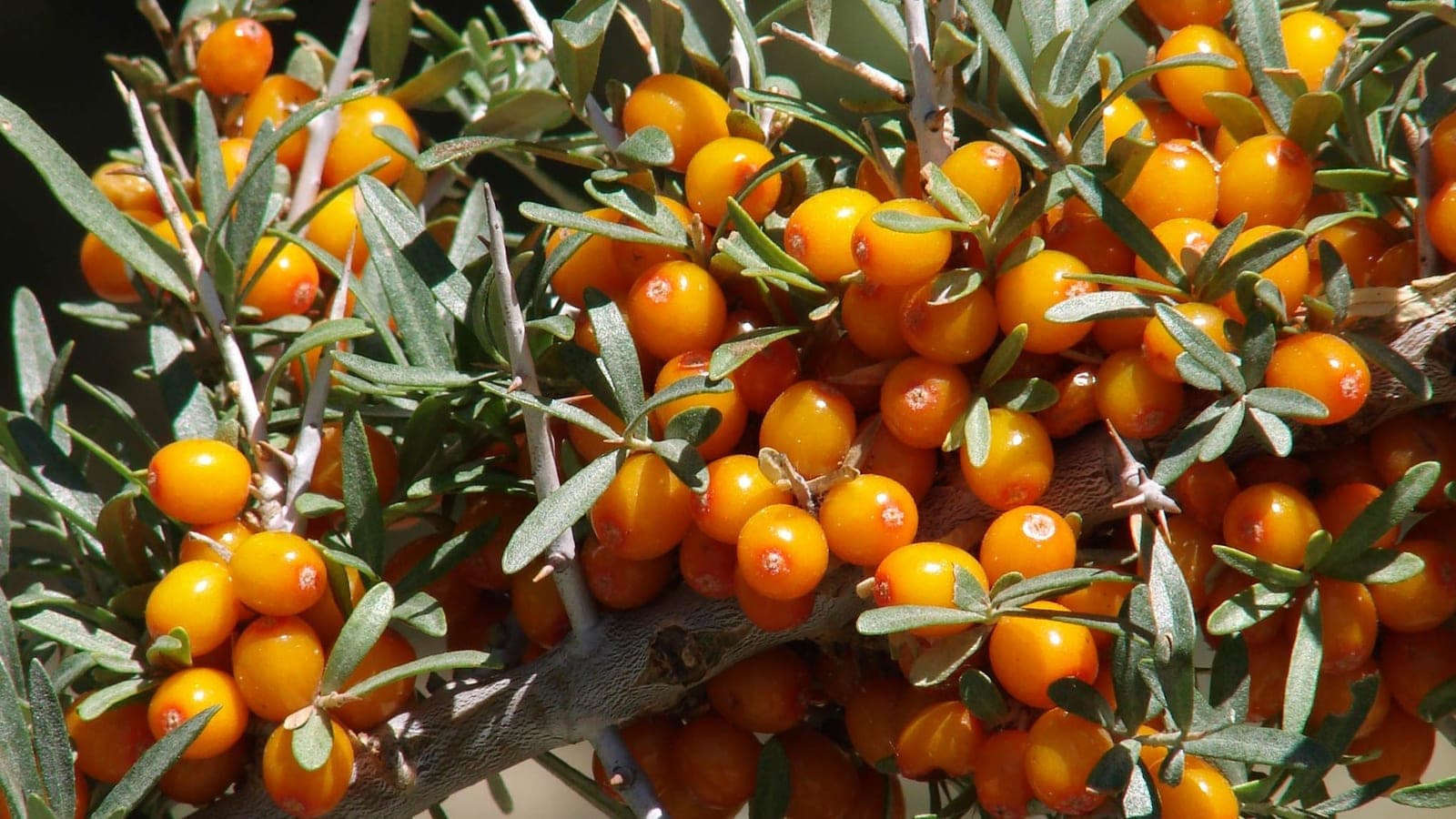
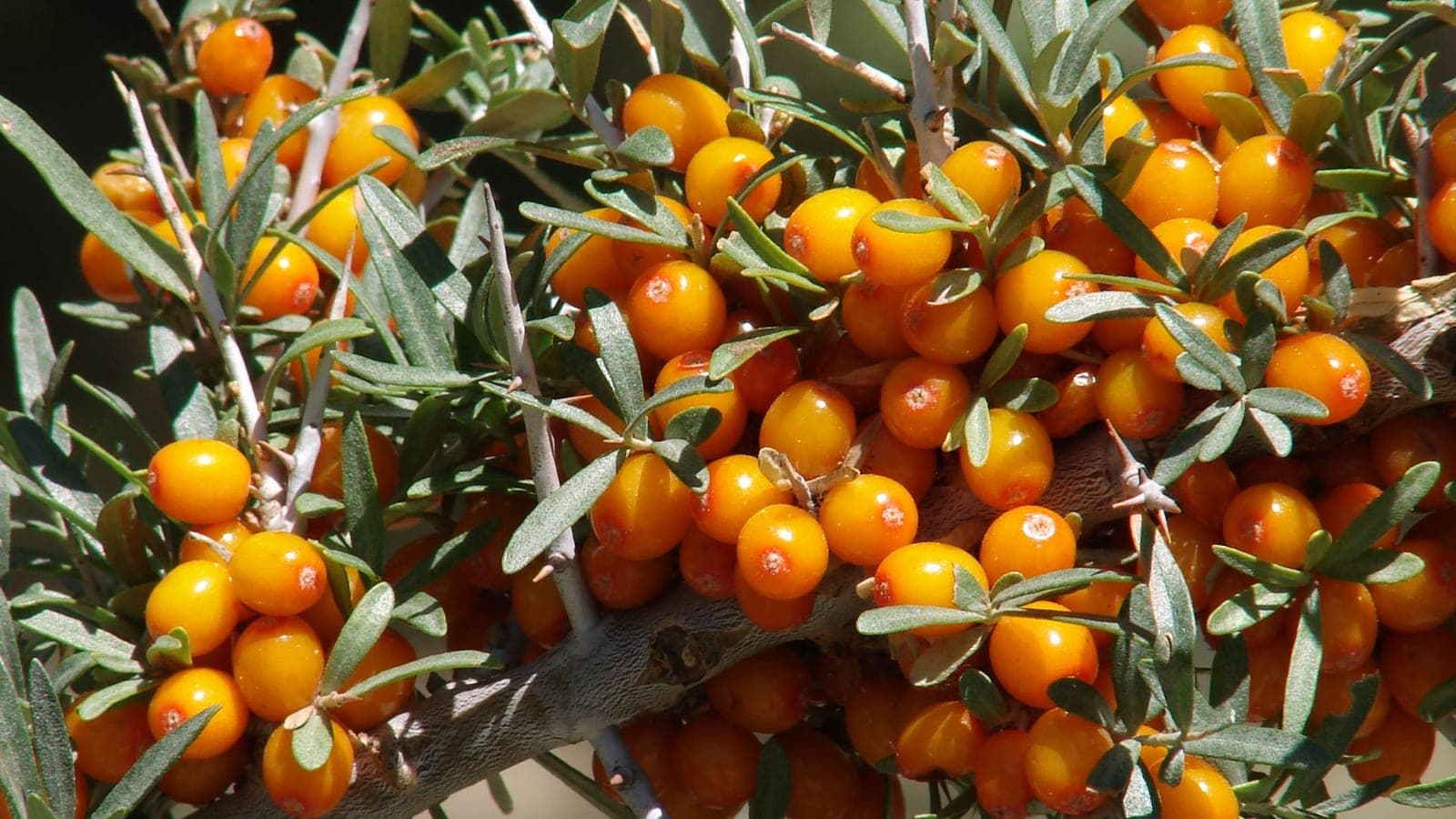
Apricot cultivation spans nearly 2,600 hectares across Ladakh, with annual fresh production of around 15,868 metric tonnes. The crop is the economic lifeline for more than 30,000 farming families in the region. Beyond fresh fruit, Ladakh is also India's single-largest producer of dried apricots, contributing approximately 1,999 metric tonnes annually — a product line with strong demand in both domestic health-food markets and export channels.
The region grows several traditional varieties, classified by kernel taste and stone colour. Locally, fruits with bitter kernels are called khante, while sweet-kernel varieties are known as nyarmo. Harvest season, running mid-July to end-August, is the year's most intensive period for growers.
"This is the busiest time of the year for us. We are harvesting the fruit and preparing consignments for buyers in different parts of India," said Hanif Hussain, an apricot grower from Kargil, speaking to The Hindu BusinessLine.
The Quality Edge
GI Tag Strengthens Premium Market Position
Ladakh's push into export markets received a structural boost in 2021, when Raktsey Karoo apricots were granted a Geographical Indication (GI) tag. The certification recognises the variety's unique quality and geographic origin, offering a defensible quality credential that distinguishes Ladakhi produce from competing apricot-growing regions in premium domestic and international markets.
Officials and growers indicate that the GI recognition, combined with expanding retail partnerships such as the Lulu MoU, is expected to drive higher farm incomes and incentivise greater investment in value addition — from improved grading and packaging to dried-fruit processing. For a Union Territory with limited arable land and a short growing season, maximising the value extracted from each harvested tonne is critical to the long-term viability of its horticulture economy.
Why it matters
For Ladakh's 30,000-plus apricot-farming families, the Lulu MoU represents a structured, high-volume retail channel that could meaningfully lift farm incomes and stimulate investment in grading, cold-chain, and value-addition infrastructure. The GI tag secured for Raktsey Karoo apricots in 2021 gives Ladakh a credible quality credential to anchor premium pricing in Gulf markets. Traders and agri-businesses should watch whether the 1,000-tonne seasonal target is met — success would signal that Ladakh's horticulture exports have crossed from symbolic volumes into commercially viable territory.
Frequently asked
How many metric tonnes of apricots is Ladakh targeting to export to the UAE this season?
The Ladakh administration has set a target of 1,000 metric tonnes for the current season, backed by a memorandum of understanding signed with UAE-based retail conglomerate Lulu Retail.
How does this year's export target compare to last year's performance?
Last year, only 1.5 metric tonnes of Halman apricots were exported — and those shipments went to Saudi Arabia, Kuwait, and Qatar, not the UAE. The 1,000-tonne target for 2026 represents a dramatic scale-up.
What is the significance of the GI tag for Ladakhi apricots?
Raktsey Karoo apricots received a Geographical Indication (GI) tag in 2021, certifying their unique quality and origin. This helps Ladakh command premium pricing and differentiate its produce in competitive domestic and international markets.
How important is apricot farming to Ladakh's rural economy?
Apricot cultivation supports the livelihoods of more than 30,000 farming families in Ladakh. The crop is grown over nearly 2,600 hectares, with annual fresh production of around 15,868 metric tonnes. Ladakh is also India's largest producer of dried apricots, contributing around 1,999 metric tonnes annually.
Source
This report summarises and analyses coverage from The Hindu BusinessLine — Agri Business. The analysis and India context are IndianAgri's own.
Edited by Devendra Kumar Jha. How we report, source and correct: editorial policy. Spotted an error? Tell us.