ICAR-CIFRI, IWMI and LRRM Train 134 Sundarban Fishers in SIS–Carp Polyculture to Strengthen Livelihoods and Nutrition
Three one-day training programmes held across South 24 Parganas in July 2026 equipped small-scale fishers with science-based skills to adopt sustainable SIS–carp polyculture in homestead ponds.
Leader's perspective
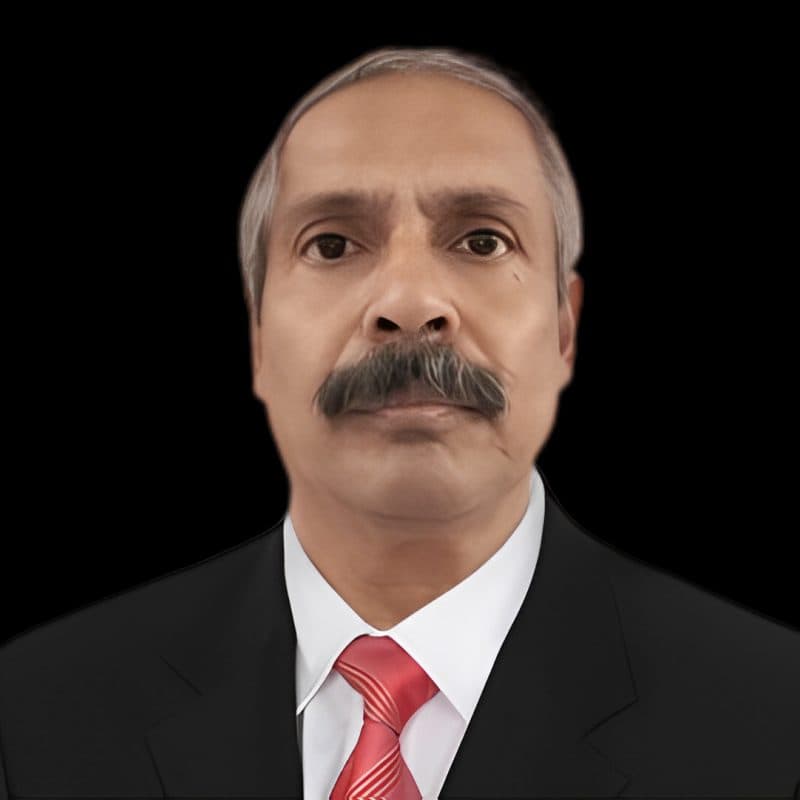
Dr. Pradip Dey · Director, ICAR-CIFRI, Barrackpore
Dr. Pradip Dey is Director of ICAR-ATARI Kolkata, overseeing farm-technology delivery through 59 Krishi Vigyan Kendras across West Bengal, Odisha and the Andaman & Nicobar Islands.
The short answer
ICAR-CIFRI, the International Water Management Institute, and Lokmata Rani Rashmoni Mission jointly conducted three training sessions between 22 and 24 July 2026 across the Indian Sundarbans, reaching 134 small-scale fishers. The programme taught participants scientific pond preparation, stocking, water quality management, and disease prevention for integrating Small Indigenous Species with carp culture in homestead ponds. The initiative aims to improve household incomes, address malnutrition, and build climate resilience in ecologically fragile coastal communities.
The initiative
Three-Day Drive Across the Sundarbans Reaches 134 Fishers
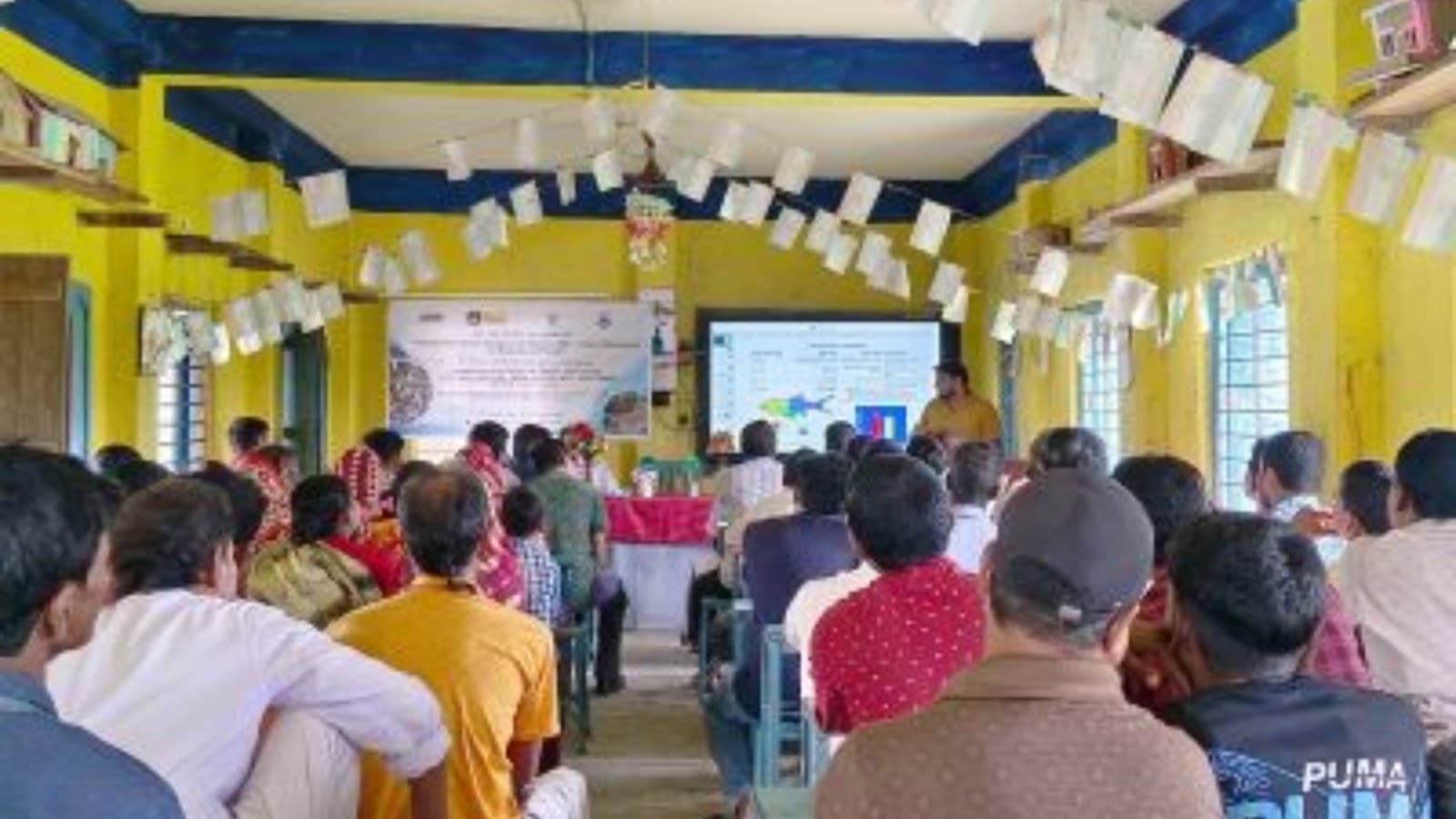
Between 22 and 24 July 2026, three one-day training sessions were held at separate locations within South 24 Parganas, covering vulnerable fishing communities spread across the ecologically sensitive Indian Sundarbans. The programmes were jointly organised by ICAR–Central Inland Fisheries Research Institute (ICAR-CIFRI), Barrackpore, in partnership with the International Water Management Institute (IWMI) and the Lokmata Rani Rashmoni Mission (LRRM), a grassroots community organisation.
Altogether, 134 small-scale fishers — comprising 113 men and 21 women — participated in the initiative, which centred on the theme "Sustainable Small Indigenous Species (SIS)–Carp Polyculture in Homestead Ponds." The diversity of participants, including a meaningful share of women, reflects a deliberate effort to make the programme inclusive across household decision-makers in fishing communities.
The science
From Stocking Density to Disease Control: What Fishers Learned
The training curriculum blended classroom instruction with hands-on sessions, covering the full production cycle for SIS–carp polyculture in homestead ponds. Key topics included:
- Scientific pond preparation and optimal stocking density
- Water quality monitoring and management
- Feeding strategies tailored to polyculture systems
- Disease prevention and best management practices
Special focus was placed on the nutritional profile of Small Indigenous Species, which are naturally rich in high-quality protein, vitamins, and essential micronutrients. Experts highlighted their role as a cost-effective, locally available tool for combating household-level malnutrition — a persistent challenge across Sundarban fishing communities. Interactive question-and-answer sessions allowed participants to raise field-level problems and receive practical, science-backed responses from ICAR-CIFRI's technical team.
The promotion of sustainable SIS–carp polyculture represents a transformative pathway towards achieving nutritional security, climate resilience and sustainable blue growth in ecologically fragile regions such as the Sundarbans.
The model
Why SIS–Carp Polyculture Suits the Sundarbans Context
The Sundarbans presents a uniquely complex operating environment for aquaculture — characterised by tidal salinity, cyclone exposure, and limited market access. Homestead ponds, which are widely available to small-holder fishing families in the region, offer an accessible production unit that requires minimal capital investment to upgrade for polyculture.
Integrating Small Indigenous Species with carp culture creates a dual-output system: carp contribute commercially marketable biomass, while SIS deliver high-nutrition catch that directly improves family diets. Experts at the training underscored that this combination is both nutrition-sensitive and economically rewarding, addressing food security and income generation simultaneously. The enthusiastic response from participants, noted by organisers, suggests latent demand for improved aquaculture technology that existing extension channels have not yet fully tapped in the delta.
The commitment
Partners Pledge to Accelerate Sustainable Aquaculture Adoption
The programme closed with fishers formally committing to adopt the practices demonstrated during the sessions — a signal that organisers described as reinforcing the shared vision of all three partner institutions. ICAR-CIFRI, IWMI and LRRM have collectively framed the initiative as a step toward accelerating sustainable aquaculture innovation at the community level.
The broader institutional ambition, as articulated by ICAR-CIFRI, ties the programme to national goals: strengthening rural livelihoods, enhancing food and nutritional security, and supporting India's long-term development agenda under Viksit Bharat 2047. With the Sundarbans serving as a testbed, the expectation is that the SIS–carp polyculture model can generate replicable outcomes — in productivity, biodiversity conservation, and household resilience — that are applicable across other climate-vulnerable aquaculture zones in India.
Why it matters
The Sundarbans is one of India's most climate-vulnerable deltaic regions, where fishing communities face compounding risks from ecological fragility and nutritional deficits. By anchoring a scalable, nutrition-sensitive aquaculture model within homestead ponds — resources already available to small holders — this initiative lowers barriers to adoption significantly. The institutional partnership between a national research body, a global water-management institute, and a grassroots mission signals a replicable template for community-led fisheries development elsewhere in coastal India. Policymakers and agri-business investors should watch whether the demonstrated practices convert into measurable income and health outcomes in follow-up assessments.
Frequently asked
What is SIS–carp polyculture and why is it suited to the Sundarbans?
SIS–carp polyculture integrates Small Indigenous Species — naturally rich in protein, vitamins and micronutrients — with commercially valuable carp in the same homestead pond. Experts at the training highlighted it as a nutrition-sensitive and economically rewarding model well matched to the Sundarbans, where homestead ponds are widely available and communities face both income vulnerability and malnutrition.
How many fishers were trained and where did the sessions take place?
A total of 134 small-scale fishers — 113 men and 21 women — attended three one-day training sessions held between 22 and 24 July 2026 at three separate locations in South 24 Parganas, within the Indian Sundarbans.
Which organisations jointly organised these training programmes?
The programmes were jointly organised by ICAR–Central Inland Fisheries Research Institute (ICAR-CIFRI), Barrackpore, the International Water Management Institute (IWMI), and the Lokmata Rani Rashmoni Mission (LRRM).
What practical skills did participants gain from the training?
Participants received hands-on training in scientific pond preparation, stocking density, water quality management, feeding strategies, disease prevention, and best management practices for SIS–carp polyculture. Interactive sessions allowed fishers to discuss field-level challenges and get science-based guidance from experts.
Source
This report summarises and analyses coverage from icar.org.in. The analysis and India context are IndianAgri's own.