ICAR–KVK Nimbudera Reaches 636 Farmers in Month-Long Khet Bachao Abhiyan Across North & Middle Andaman
ICAR–Krishi Vigyan Kendra Nimbudera ran Khet Bachao Abhiyan 2026 across three Andaman blocks through June, training 636 farmers and farmwomen on organic inputs, biofertilisers, and soil health management suited to island conditions.
The short answer
ICAR–KVK Nimbudera conducted Khet Bachao Abhiyan 2026 across the Rangat, Mayabunder, and Diglipur blocks of North & Middle Andaman throughout June 2026, reaching a combined 636 participants. The month-long programme trained farmers on integrated nutrient management, vermicomposting, biofertiliser application, and scientific paddy cultivation to reduce chemical input dependence. Inclusion of pulses in rice fallow areas was also promoted to diversify cropping systems and improve farm incomes on the islands.
The Programme
A Month Across Three Blocks: What Khet Bachao Abhiyan 2026 Set Out to Do
ICAR–Krishi Vigyan Kendra, Nimbudera, ran Khet Bachao Abhiyan 2026 from 1 to 30 June 2026, covering the Rangat, Mayabunder, and Diglipur blocks of North & Middle Andaman district. The campaign was designed to sensitise island farming communities on soil health management, balanced nutrient use, and climate-compatible farming technologies relevant to the archipelago's conditions.
The initiative was conducted under the guidance of Dr Jai Sunder, Director (Acting), ICAR–CIARI, Sri Vijayapuram, along with other senior officials of the institute. By the programme's close, 458 farmers and 178 farmwomen — a combined 636 participants — had actively engaged with its sessions and field demonstrations.
Technical Focus
From Vermicomposting to Biofertiliser Seed Treatment: The Science on the Ground
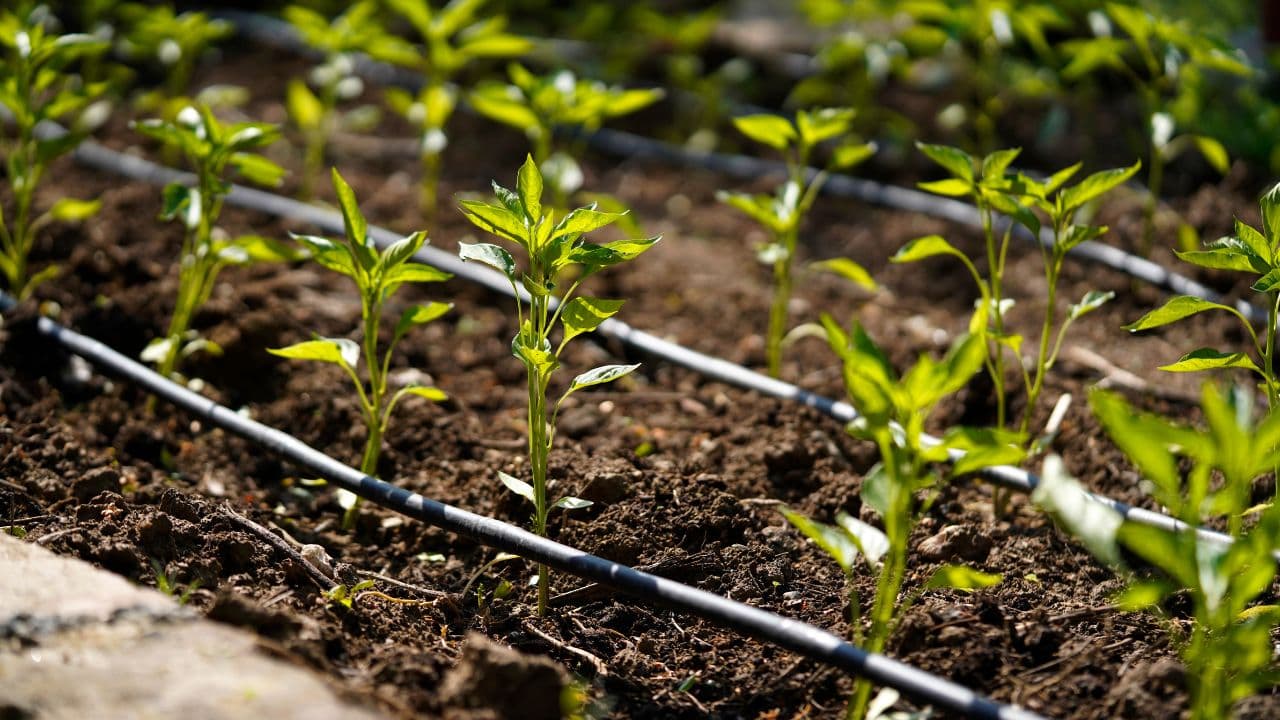
Technical sessions at the Abhiyan placed strong emphasis on Integrated Nutrient Management (INM), walking farmers through a suite of eco-friendly alternatives to synthetic chemical inputs. Key practices promoted included:
- Green manuring for in-situ soil enrichment
- Vermicomposting to recycle farm waste into nutrient-rich organic matter
- Biofertiliser application using Azotobacter and Azospirillum to fix atmospheric nitrogen
- Biofertiliser-based seed treatment to improve crop establishment and early root health
Scientific paddy cultivation methods were also demonstrated, with sessions tailored to the specific agro-climatic realities of island farming — where efficient resource management and reduced external input dependence are both an ecological and economic priority.
Cropping Strategy
Pulses in Rice Fallows: A Dual Play on Soil Health and Farm Income
One of the standout agronomic messages of Khet Bachao Abhiyan 2026 was the promotion of pulses in rice fallow areas — a practice that simultaneously addresses soil nutrient cycling and crop diversification. By integrating leguminous crops into the post-harvest paddy window, farmers can naturally replenish nitrogen in the soil while adding a marketable crop to their annual cycle.
The programme framed this as part of a broader push toward organic and natural farming and climate-friendly agriculture. Integrated approaches to resource use and cropping system design were highlighted as essential for sustaining productivity in the Andaman Islands, where the land resource base is limited and environmental sensitivities are high.
The Island Context
Why Sustainable Agriculture Messaging Matters More in the Andamans
The Andaman & Nicobar Islands present a distinct agricultural context that makes outreach programmes like Khet Bachao Abhiyan particularly significant. Island soils are vulnerable to degradation, external input supply chains are costly and unreliable, and the ecology demands a cautious approach to chemical use.
ICАR–CIARI and its KVK network have consistently worked to adapt mainland agri-technology to island conditions. The June 2026 campaign's geographic spread — three blocks across North & Middle Andaman — signals an intent to embed sustainable practice at the block level, not just in demonstration plots. With farmwomen comprising 28% of the total participants, the programme also reflects a deliberate inclusion of women in the agricultural knowledge ecosystem of the islands.
Why it matters
Island agriculture faces unique constraints — limited land, fragile soils, and high dependence on imported chemical inputs — making initiatives like Khet Bachao Abhiyan especially relevant for the Andaman farming community. By combining soil health education with practical demonstrations of biofertilisers and green manuring across three geographically spread blocks, ICAR–KVK Nimbudera is building a localised knowledge base for sustainable production. Policymakers and agri-extension planners should watch whether the pulse-in-fallow model gains traction, as it holds potential for both nutrient cycling and income diversification in the region.
Frequently asked
What is Khet Bachao Abhiyan 2026 and where was it held?
Khet Bachao Abhiyan 2026 is a month-long farmer awareness and training programme organised by ICAR–Krishi Vigyan Kendra, Nimbudera. It was held from 1 to 30 June 2026 across the Rangat, Mayabunder, and Diglipur blocks of North & Middle Andaman district.
How many farmers participated in Khet Bachao Abhiyan 2026?
A total of 636 participants took part — 458 farmers and 178 farmwomen — across the three blocks covered by the programme.
What agricultural practices were promoted during the Abhiyan?
The programme focused on Integrated Nutrient Management, green manuring, vermicomposting, biofertiliser application using Azotobacter and Azospirillum, biofertiliser-based seed treatment, scientific paddy cultivation, and inclusion of pulses in rice fallow areas.
Who oversaw the Khet Bachao Abhiyan 2026 programme?
The programme was conducted under the guidance of Dr Jai Sunder, Director (Acting) of ICAR–CIARI, Sri Vijayapuram, along with other senior officials of the institute.
Source
This report summarises and analyses coverage from icar.org.in. The analysis and India context are IndianAgri's own.
Edited by Devendra Kumar Jha. How we report, source and correct: editorial policy. Spotted an error? Tell us.