Andhra Pradesh Urges Krishna Delta Farmers to Skip Paddy This Kharif as Reservoirs Run Critically Low
With Srisailam and Nagarjuna Sagar at critically low levels and Pattiseema pumping capacity nearly halved, AP's irrigation chief has warned that paddy cultivation this kharif could wipe out farmers' entire investment.
The short answer
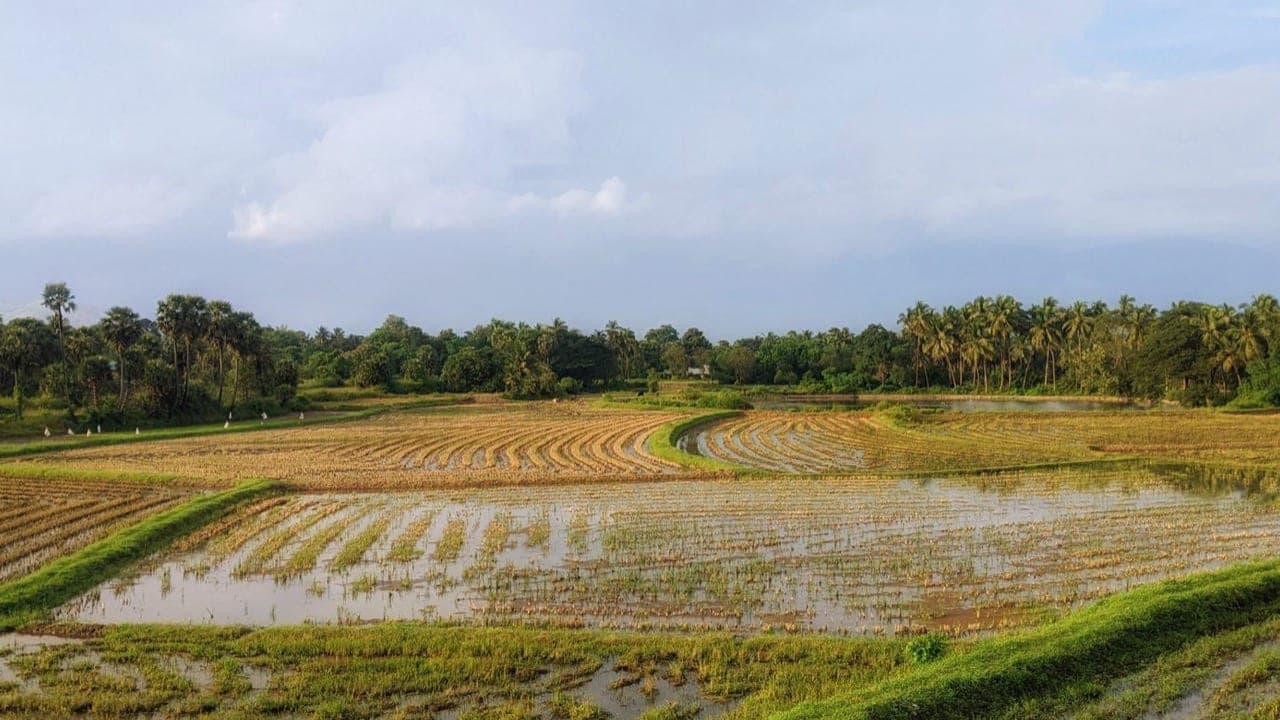
The Andhra Pradesh government has urged Krishna delta farmers to abandon paddy cultivation this kharif season following a severe water shortage driven by delayed monsoon rains and a Super El Niño-like weather pattern. Key reservoirs on the Krishna — Srisailam and Nagarjuna Sagar — have fallen to critically low levels, and whatever inflows do arrive will be reserved exclusively for drinking water. Farmers have been advised to switch to less water-intensive dry crops until the situation improves.
The water crisis
Reservoirs at Critical Lows as Monsoon Falters
Speaking at a press conference on 24 July 2026, Engineer-in-Chief (Irrigation) K. Narasimha Murthy confirmed that storage in the Srisailam and Nagarjuna Sagar reservoirs — the twin lifelines of the Krishna delta — had dropped to critically low levels. The failure of the monsoon to arrive on schedule has been attributed to a Super El Niño-like weather pattern that has kept rainfall far below normal across the Krishna basin.
Upstream reservoirs including Almatti, Narayanpur, and Jurala still hold roughly 50 TMC of vacant storage, meaning significant inflows into the downstream system have yet to materialise. Under these conditions, Narasimha Murthy said that any water reaching Srisailam and Nagarjuna Sagar would be directed first to drinking water supply — leaving little or nothing for agricultural use.
The Pulichintala reservoir, though holding around 29 TMC in total, has only about 25 TMC of usable water. If rainfall uncertainty persists, even this stock may need to be held in reserve to cover drinking water needs through to June 2027.
The Pattiseema factor
Godavari Lifeline Also Under Strain, Pumping Capacity Nearly Halved
To compensate for the Krishna shortage, the AP government has been diverting Godavari water into the Krishna delta through the Polavaram Right Main Canal via the Pattiseema Lift Irrigation Scheme. But the Godavari itself is running low, sharply curtailing the scheme's capacity.
Of the 24 pumps at Pattiseema, only 15 are currently operational, collectively releasing around 1,000 cusecs into the Polavaram Right Main Canal — a significant step down from normal operations. In a telling sign of the season's severity, water had to be supplemented last week from the Sileru river, a measure that officials noted had never been necessary in previous years.
Where the Pattiseema system previously provided 100 to 120 days of pumping per season, officials now expect availability to be limited to just 60 to 70 days this year. Narasimha Murthy underscored that supplying the Godavari delta ayacut remained the first priority before any water is diverted to other regions.
Supplying water to the Godavari delta ayacut remains the first priority before diverting water to other regions.
On-ground concern
Unauthorised Pumping Along Canal Compounds the Problem
Beyond the weather-driven deficit, officials flagged a man-made aggravation: farmers along the Polavaram Right Main Canal are drawing water through unauthorised pumps, reducing the volume that actually reaches the Krishna delta canal system. This is directly affecting canal flows set aside for drinking water supply, officials said.
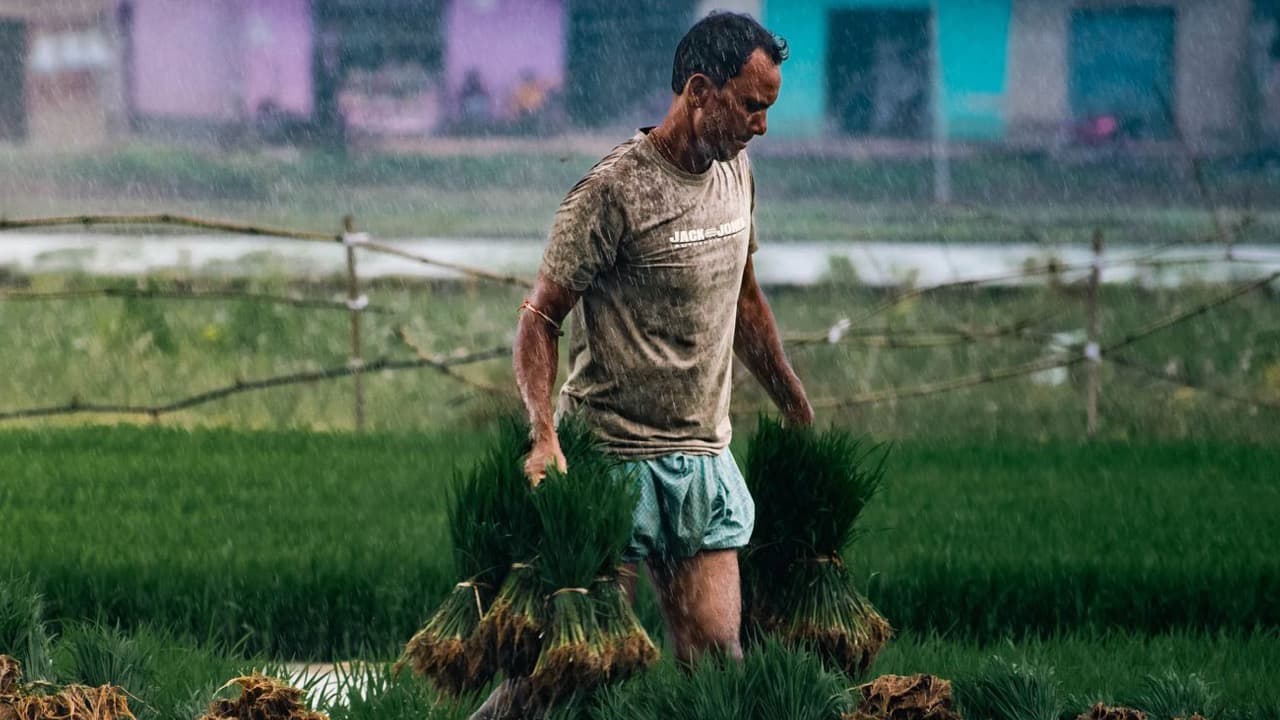
Narasimha Murthy issued a pointed caution to farmers who may be considering using Pattiseema water to raise paddy nurseries now. Should Godavari inflows decline further and pumping be suspended in coming weeks, those nurseries would be stranded — translating into the loss of the farmer's entire investment with no fallback. The message was unambiguous: the risk of proceeding with paddy this kharif, given current reservoir conditions and rainfall uncertainty, far outweighs any potential gain.
The advisory
Pivot to Dry Crops: Government's Appeal to Delta Farmers
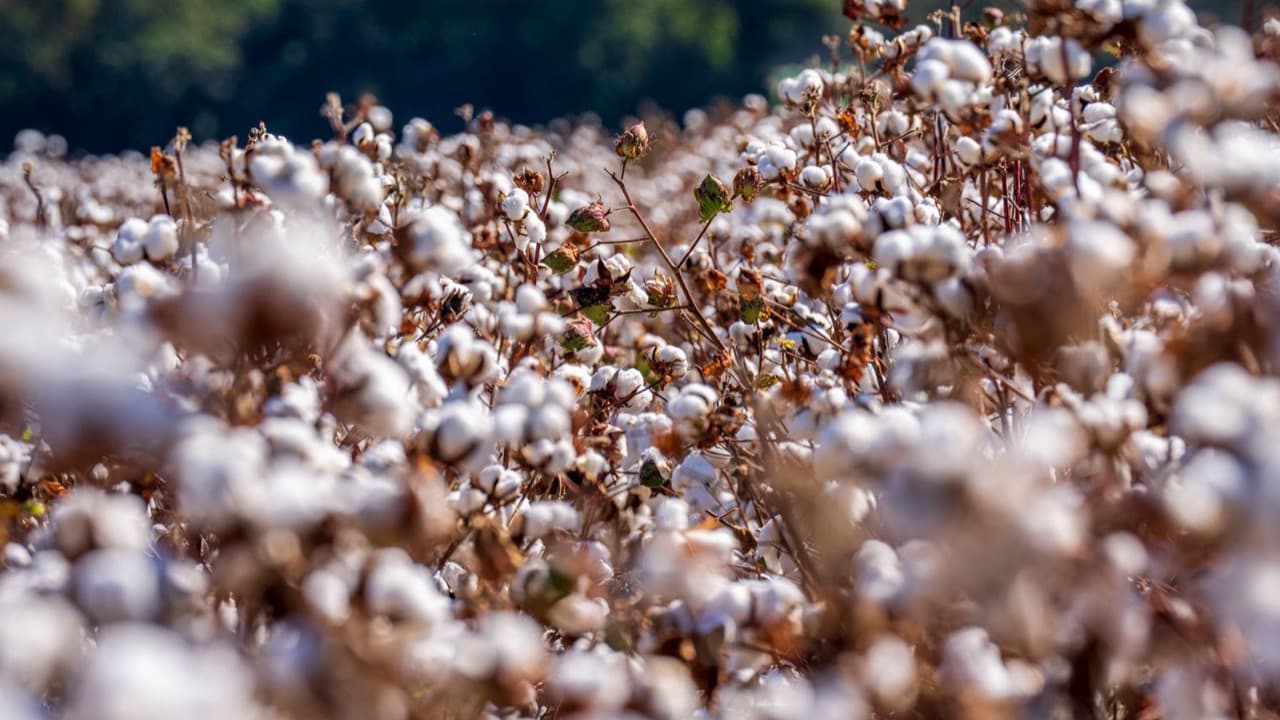
The state government's formal appeal asks Krishna delta farmers to forgo paddy cultivation entirely this kharif and instead shift to less water-intensive dry crops wherever feasible. The directive is not a mandate — it is framed as an urgent appeal backed by the threat of crop loss — but officials have made clear that irrigation support for paddy cannot be guaranteed this season.
Narasimha Murthy did leave a conditional window open: if Srisailam and Nagarjuna Sagar receive inflows beyond drinking water requirements, the Agriculture and Water Resources Departments would jointly formulate a scientific cultivation plan for the season. Until then, the government's position is that attempting paddy cultivation without a credible water supply backstop is an unacceptable financial gamble for farmers.
The advisory effectively shifts the risk calculus: farmers who heed the warning and opt for dry crops face lower revenue, while those who proceed with paddy without adequate water face the prospect of a total crop failure.
Why it matters
A government directive to forgo paddy in one of Andhra Pradesh's most productive river deltas signals just how acute India's water-agriculture tension has become in an El Niño year. For farmers, the calculus is stark: cultivate paddy without reservoir backing and risk losing their entire investment; pivot to dry crops and absorb the income hit from a lower-value harvest. Policymakers and agri-businesses dependent on the Krishna delta's kharif output — from seed suppliers to millers — should prepare for a substantially reduced crop. The situation will hinge on whether Srisailam and Nagarjuna Sagar receive meaningful inflows in the weeks ahead.
Frequently asked
Why is Andhra Pradesh advising farmers to avoid paddy cultivation this kharif?
Storage in the Srisailam and Nagarjuna Sagar reservoirs on the Krishna has fallen to critically low levels due to delayed and inadequate monsoon rainfall, attributed to a Super El Niño-like weather pattern. Any incoming water will be prioritised for drinking water supply, leaving insufficient reserves for water-intensive paddy cultivation.
How is the Pattiseema Lift Irrigation Scheme affected by the current water shortage?
Reduced inflows into the Godavari have meant that only 15 of the 24 pumps at Pattiseema are currently operational, releasing around 1,000 cusecs into the Polavaram Right Main Canal. Seasonal availability is expected to drop from the normal 100–120 days to just 60–70 days.
What crops are Krishna delta farmers being advised to grow instead of paddy?
The Andhra Pradesh government has advised farmers to opt for less water-intensive dry crops wherever feasible until the water situation improves.
Is there any possibility of paddy cultivation being permitted this kharif?
Yes, conditionally. If Srisailam and Nagarjuna Sagar receive inflows beyond what is needed for drinking water, the Agriculture and Water Resources Departments will jointly prepare a scientific plan for kharif cultivation. Until that condition is met, the government's advisory is to avoid paddy.
Source
This report summarises and analyses coverage from The Hindu — Agriculture. The analysis and India context are IndianAgri's own.