Gujarat's Kharif Sowing Crosses 50 Lakh Hectares Despite 33% Rainfall Deficit
Farmers in Gujarat have sown 50.83 lakh hectares of kharif crops even as a 33% statewide rainfall deficit hammers Saurashtra and north Gujarat — but cotton, groundnut, and paddy acreage is lagging last year's pace.
The short answer
Gujarat has recorded kharif sowing of 50.83 lakh hectares — roughly 60% of the three-year normal of 85.3 lakh hectares — despite a 33% statewide rainfall deficit. Eight districts, including Devbhoomi Dwarka (96% deficit), Kutch, and Jamnagar, are in the 'large deficient' category with shortfalls of 60–99%. While water-intensive crops like paddy, groundnut, and cotton are trailing last year's acreage, dryland crops such as soybean, tur, and urad have seen farmers shift area upward.
The rainfall picture
Eight Districts in 'Large Deficient' Zone as Monsoon Falters
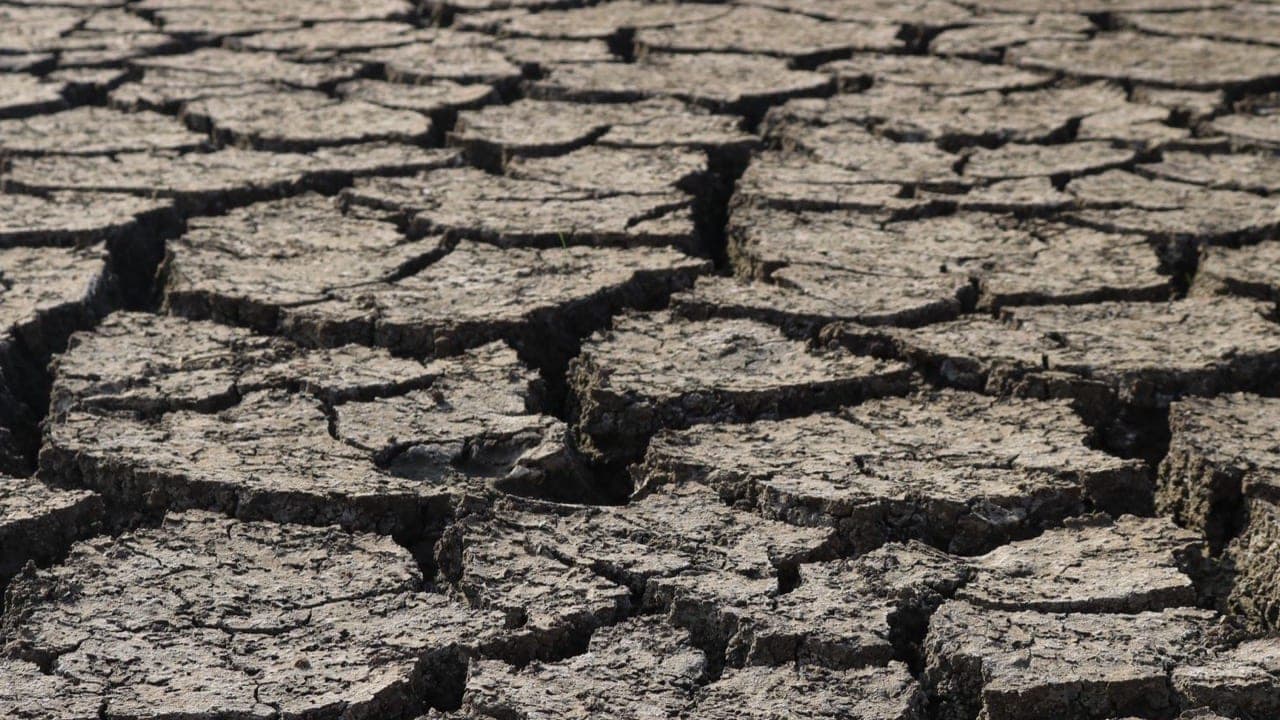
Gujarat's monsoon this kharif season has been both weak and uneven. The state is running at a 33% overall rainfall deficit, but the stress is sharpest in Saurashtra and north Gujarat. Eight districts — Kutch, Banaskantha, Sabarkantha, Dahod, Morbi, Jamnagar, Devbhoomi Dwarka, and Porbandar — have been classified as 'large deficient', recording shortfalls of between 60% and 99% of their normal rainfall.
Devbhoomi Dwarka is the most severely affected, with a deficit of 96%, followed by Kutch at 87% and Jamnagar at 72%. Beyond this group, another 14 districts — including Ahmedabad, Gandhinagar, Rajkot, Surendranagar, Vadodara, Bharuch, and Anand — are reporting deficient rainfall in the 20–59% range, indicating that the monsoon's weakness is not confined to a single pocket but is spread across much of the state.
The sowing scorecard
Farmers Press Ahead, But Lag Last Year's Pace by Over 7 Lakh Hectares
Despite the hostile rainfall backdrop, state government data shows Gujarat's farmers have sown across 50.83 lakh hectares — approximately 60% of the three-year average of 85.3 lakh hectares. Farmers appear to be sowing in anticipation of improved monsoon activity in the weeks ahead.
However, the pace is meaningfully behind last year. By the same date in 2025, sowing had covered 58.38 lakh hectares — leaving this year's progress roughly 7.55 lakh hectares short. The gap signals that prolonged rainfall deficiency is beginning to weigh on planting decisions, even if it has not halted sowing altogether.
Crop-wise breakdown
Paddy Down 34%, Groundnut Off 15%; Cotton Acreage Also Slips
The rainfall deficit has left a clear imprint on cropping choices, with water-intensive and commercially important crops bearing the brunt:
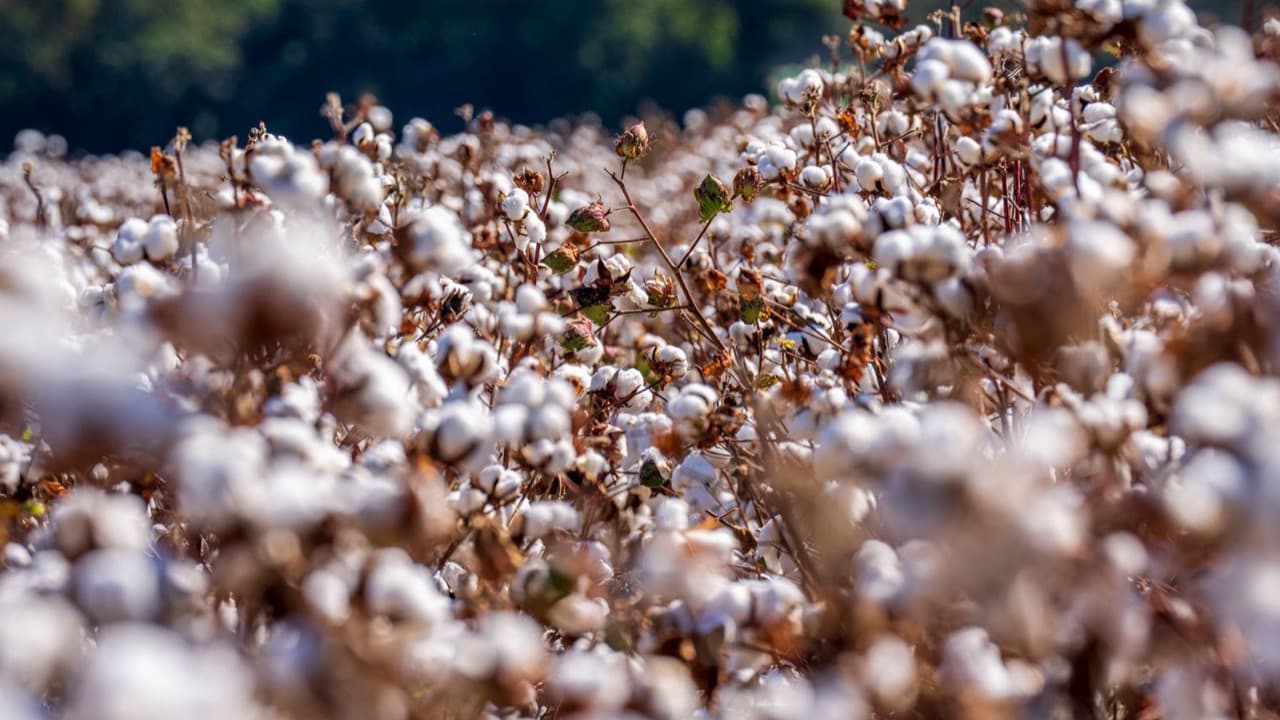
- Cotton: Sown over 18.75 lakh hectares, down approximately 4.3% year-on-year.
- Groundnut: Acreage has fallen nearly 15% to 16.48 lakh hectares — a sharp retreat for one of Gujarat's premier cash crops.
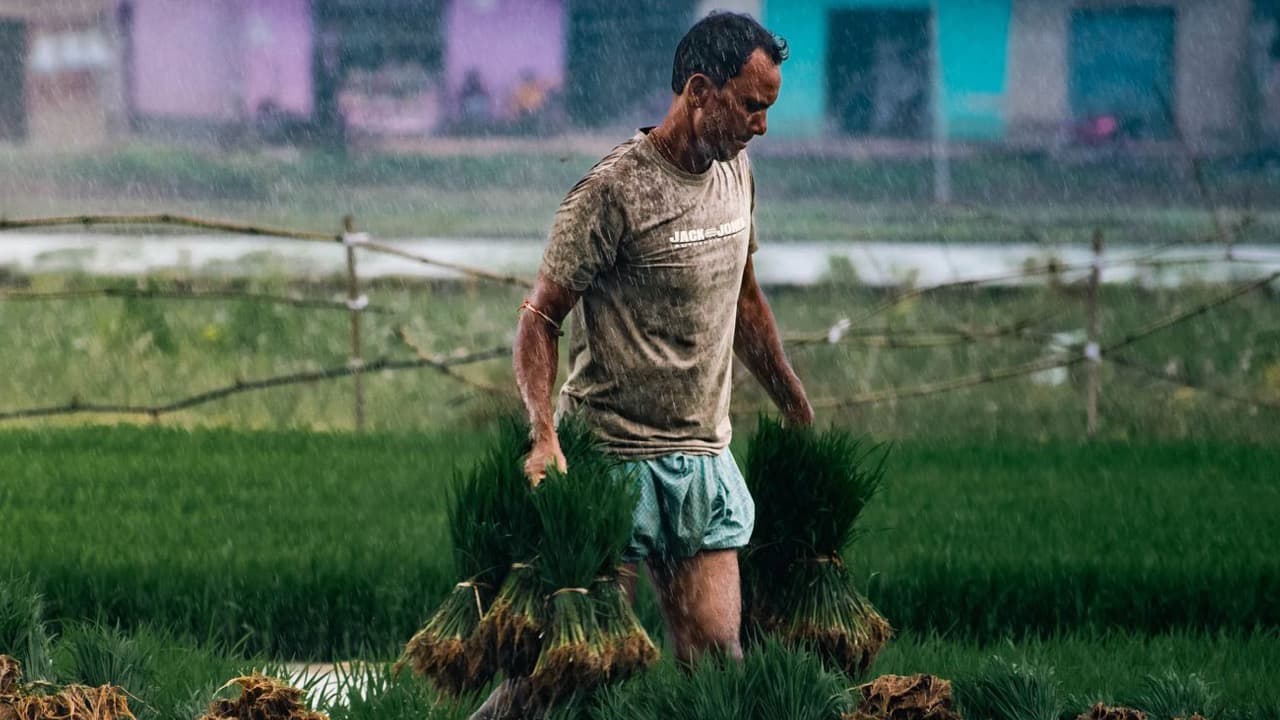
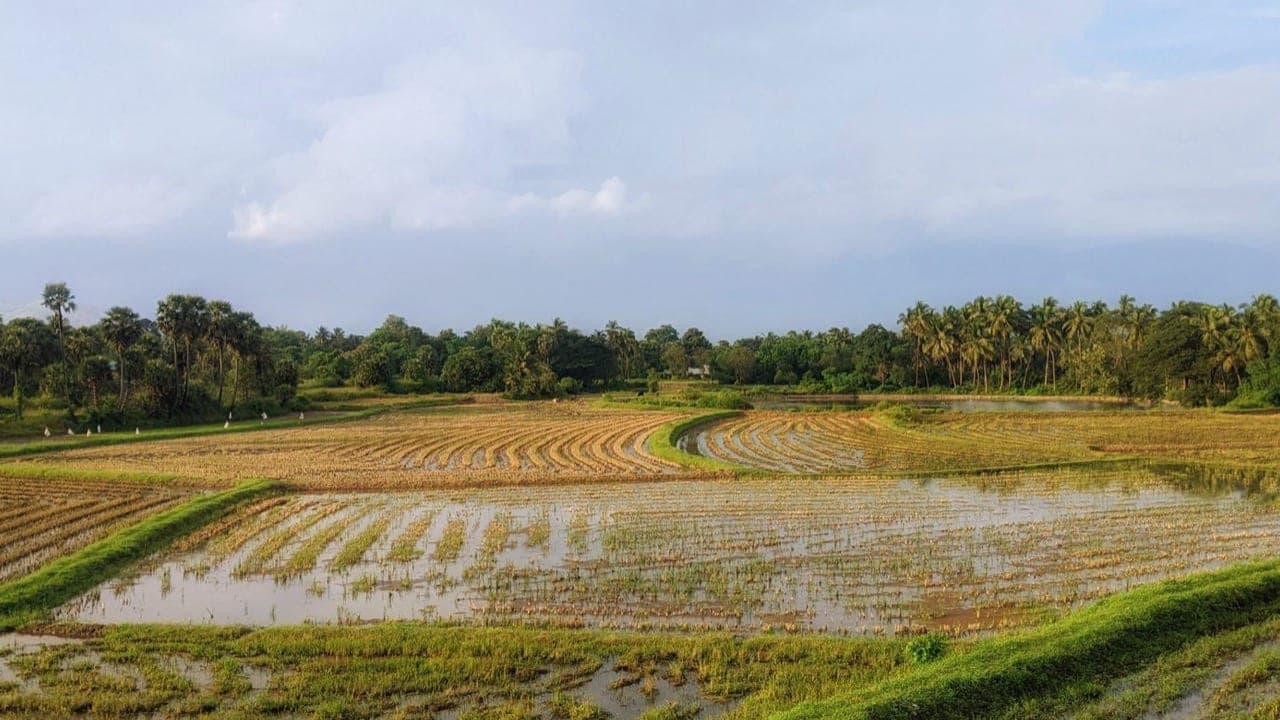
- Paddy: The steepest decline among major crops, with sowing at just 2.25 lakh hectares — around 34% lower than the same period last year. Paddy's high dependence on adequate water availability in the early season makes it particularly vulnerable to a deficient monsoon.
The pattern underscores how farmers are rationing risk when soil moisture and water supply are unreliable.
Silver linings
Dryland Crops Gain Ground as Farmers Adapt Planting Mix
Not all crops are in retreat. Farmers have expanded area under less water-intensive crops, signalling a pragmatic adaptation to the weak monsoon:
- Soybean: Acreage is up approximately 10.5% year-on-year to 2.48 lakh hectares.
- Tur (arhar): Sowing has risen nearly 17% to 1.36 lakh hectares.
- Urad: Area has climbed 25% to around 48,900 hectares.
The shift toward pulses and soybean reflects farmers' preference for crops with lower water requirements during early growth stages. If the monsoon recovers in August, these crops are well-placed to benefit; if rains remain elusive, their relative drought tolerance offers a degree of protection to farm incomes in affected districts.
Why it matters
With sowing still around 8 lakh hectares behind last year's pace at this stage of the season, the trajectory of the monsoon over the next few weeks will be decisive for Gujarat's kharif output — particularly for cotton and groundnut, two crops that anchor the state's farm economy. The sharp 34% drop in paddy acreage and the 15% fall in groundnut area are early warning signals for produce availability and prices later in the year. Policymakers and commodity traders should watch reservoir levels, district-level sowing updates, and IMD forecasts closely as the critical August window approaches.
Frequently asked
How much kharif area has been sown in Gujarat so far this season?
Gujarat farmers have sown 50.83 lakh hectares of kharif crops, which is about 60% of the three-year average of 85.3 lakh hectares and lower than the 58.38 lakh hectares covered by the same date last year.
Which districts in Gujarat are facing the worst rainfall deficit?
Eight districts are in the 'large deficient' category with shortfalls of 60–99%. Devbhoomi Dwarka is the worst affected with a 96% deficit, followed by Kutch at 87% and Jamnagar at 72%.
Which crops have seen the biggest decline in sowing area in Gujarat?
Paddy has recorded the steepest drop — around 34% year-on-year — to 2.25 lakh hectares. Groundnut acreage has fallen nearly 15% to 16.48 lakh hectares, while cotton is down about 4.3% to 18.75 lakh hectares.
Are any crops showing increased sowing area despite the weak monsoon?
Yes. Soybean acreage has risen approximately 10.5% to 2.48 lakh hectares. Tur sowing is up nearly 17% to 1.36 lakh hectares, and urad area has increased 25% to around 48,900 hectares, as farmers shift towards less water-intensive crops.
Source
This report summarises and analyses coverage from The Hindu BusinessLine — Agri Business. The analysis and India context are IndianAgri's own.