India's Driest June in 12 Years Sends Kharif Sowing Down 23%
June 2026 has been India's driest in over a decade, pushing Kharif sowing 23% below last year's pace and cutting rice cultivation by a quarter — putting farmer incomes and food security at risk.
The short answer
India recorded its driest June in 12 years in 2026, severely disrupting the Kharif sowing season. Planting of major crops — rice, cotton, pulses, and oilseeds — is running 23% behind last year's levels, with rice area down by 25%. The monsoon season extends to September, leaving a window for recovery, but the government has already activated contingency plans across vulnerable districts.
The Monsoon Gap
June 2026: A Drought-Like Opening to the Kharif Season
India's monsoon delivered its weakest June performance in 12 years this season, leaving large parts of the country critically short of soil moisture at the precise moment farmers need to establish Kharif crops. The shortfall has delayed planting of rice, cotton, pulses, and oilseeds across multiple states, setting up a challenging start to the agricultural year.
The timing is particularly damaging. June is when the bulk of Kharif sowing gets underway, and a moisture deficit at this stage can cascade into lower plant stands, reduced yields, and compressed harvests even if the monsoon partially recovers later in the season.
Crop by Crop
Rice Bears the Sharpest Blow; Pulses and Oilseeds Also Lag
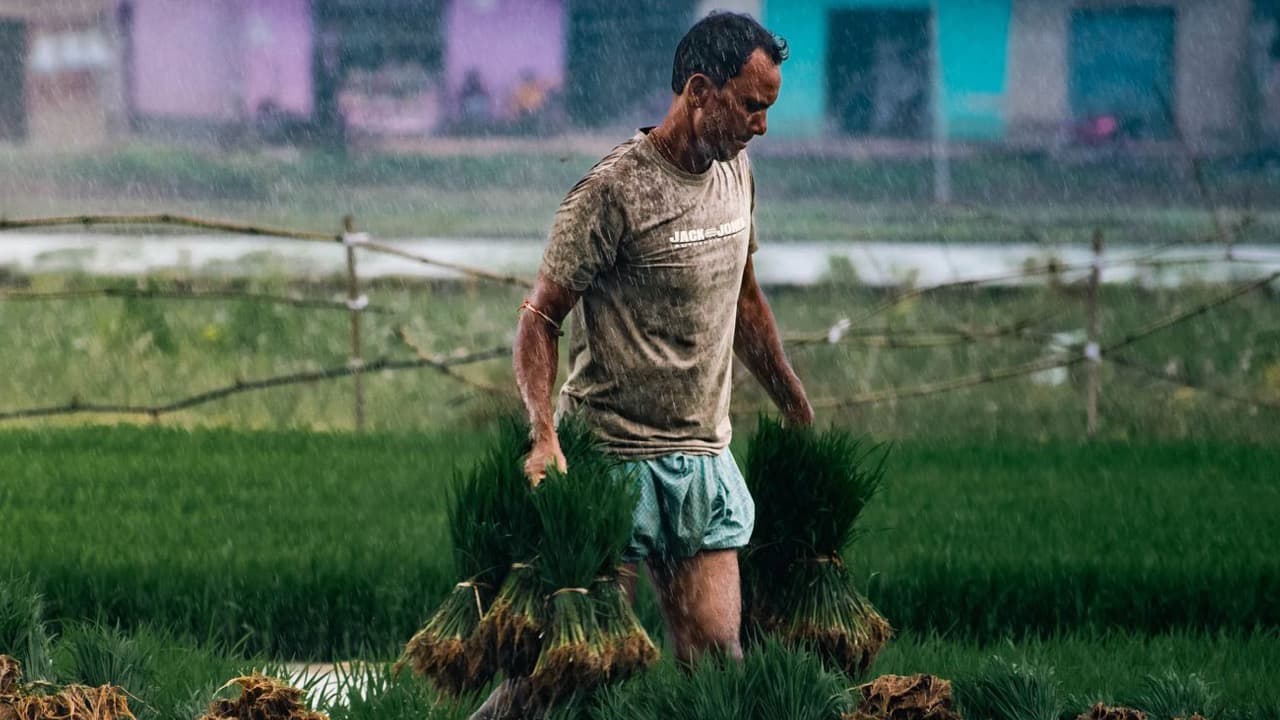
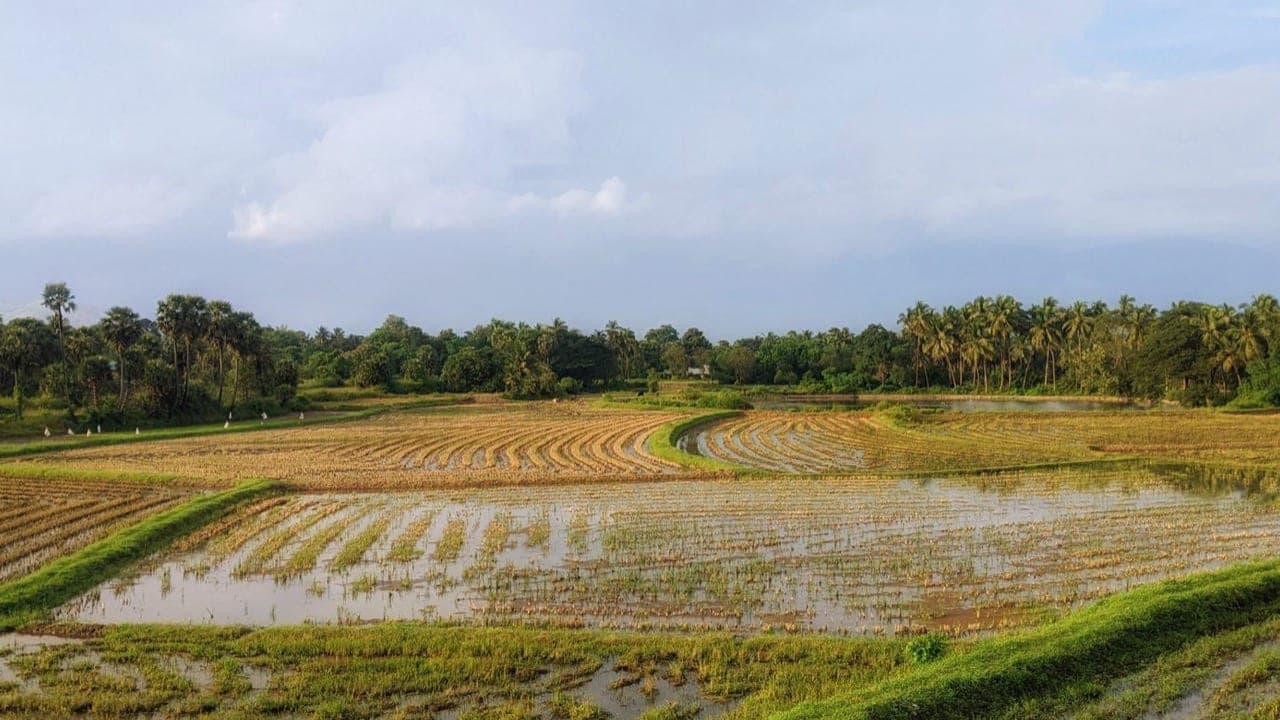
Aggregate Kharif sowing is running 23% below last year's comparable period, according to the source data — a gap that spans all major crop categories. Rice, India's most widely cultivated Kharif staple, has taken the steepest hit, with cultivation area down 25% against the year-ago level.
Other affected crops include:
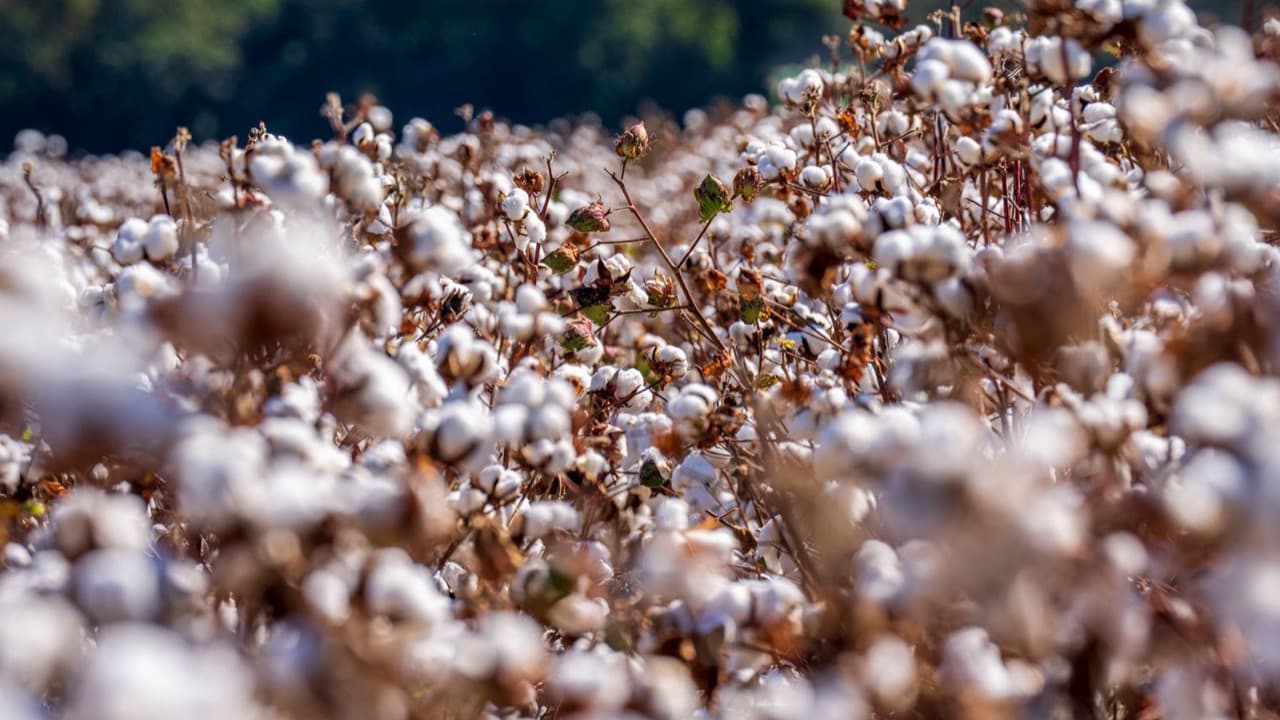
- Cotton — acreage delayed in key growing belts
- Pulses — sowing setback threatens domestic protein supply
- Oilseeds — reduced planting risks higher edible oil import dependence
Nearly half of India's total farmland relies exclusively on rainfall for irrigation, amplifying the sensitivity of these crop communities to any monsoon disruption.
Official Response
Government Activates Contingency Plans in Vulnerable Districts
Authorities have already moved to contain the damage. The government has identified districts most exposed to the monsoon delay and set contingency frameworks in motion, centred on two key interventions: promoting short-duration crop varieties that can be sown later in the season and still reach maturity before the rabi window, and deploying water conservation strategies to extract maximum value from whatever rainfall does arrive.
The monsoon season officially runs through September, and forecasters have not ruled out a recovery in July and August. However, each week of additional delay narrows the agronomic options available to farmers and increases the risk that yield potential for the 2026 Kharif season is permanently impaired.
The Bigger Picture
Climate Variability Pushes Resilience from Option to Obligation
The 2026 Kharif opening underscores a structural vulnerability in Indian agriculture that a single recovery monsoon cannot resolve. Erratic monsoon onset, intensifying dry spells, and compressed sowing windows are becoming recurring features of the seasonal calendar — not one-off anomalies.
For farmers, agri-businesses, and policymakers alike, the episode strengthens the case for accelerating investment in:
- Drought-tolerant and short-duration seed varieties
- Micro-irrigation and rainwater harvesting at farm level
- Crop insurance uptake in high-risk districts
- Real-time advisory systems that help farmers pivot planting decisions quickly
Building this resilience is no longer a long-term aspiration — it is an immediate operational requirement for sustaining agricultural output through increasingly volatile growing seasons.
Why it matters
With nearly half of India's farmland still rain-fed, a delayed or deficient monsoon carries direct consequences for crop yields, farmer incomes, rural consumption, and edible oil import bills. A 25% shortfall in rice sowing is particularly significant given the crop's role in food security. Policymakers and agri-businesses should closely track monsoon progress through July and August — and this season reinforces the urgency of scaling climate-resilient varieties, irrigation infrastructure, and water conservation at farm level.
Frequently asked
How bad is the Kharif sowing shortfall in 2026?
Overall Kharif crop sowing is 23% lower than the same period last year, driven by a significantly below-normal monsoon that made June 2026 India's driest June in 12 years.
Which crops have been most affected by the delayed monsoon?
Rice has been hit hardest, with cultivation area down 25% compared to last year. Cotton, pulses, and oilseeds have also seen delayed sowing across major growing regions.
Is there still time for the Kharif season to recover?
Yes. The monsoon season continues until September, and a recovery in July–August rainfall could improve sowing progress. The government has also prepared contingency plans, including short-duration crop varieties, to help farmers adapt to the delayed start.
What steps has the government taken to address the monsoon shortfall?
Authorities have identified vulnerable districts and activated contingency plans focused on promoting short-duration crop varieties and implementing water conservation strategies to limit losses from the delayed monsoon.