Kharif Sowing Falls 23% as Deficient Monsoon and El Niño Fears Cloud Crop Outlook
Total kharif acreage slumps to 182.72 lakh hectares from 236.46 lakh hectares a year ago, as a 42% monsoon deficit through June 29 hammers paddy, oilseeds, cotton and pulses sowing across India.
The short answer
Kharif crop sowing has dropped 23% year-on-year to 182.72 lakh hectares as of June 25, driven by a 42% deficit in monsoon rainfall through June 29, according to Agriculture Ministry data. Oilseeds, cotton, arhar and urad have taken the sharpest hits, with soybean acreage down over 65% and arhar down nearly 58%. Officials say the critical month of July will determine whether a revival in rainfall can offset the early-season shortfall, though matching last year's pace — when India enjoyed a strong monsoon — is considered unlikely.
The big picture
Early Sowing Data Flashes Red Across Kharif Basket
India's kharif sowing season has opened on a deeply worrying note. Total area brought under cultivation stood at just 182.72 lakh hectares (lh) as of June 25, compared with 236.46 lh at the same point last year — a year-on-year shortfall of nearly 23%, according to Agriculture Ministry data.
The slump directly tracks a 42% deficiency in monsoon rainfall recorded through June 29. The season's current coverage amounts to only 16.5% of the normal kharif area of 1,104.46 lh, whereas the corresponding figure a year ago was above 21% of normal — underscoring how far behind the 2026 season already is.
Of all major kharif crops, only sugarcane — whose planting had begun earlier — recorded a marginal gain, with acreage edging up to 57.31 lh from 56.64 lh a year ago. Every other significant crop posted a decline.
Crop by crop
Oilseeds, Cotton and Pulses Bear the Brunt
The damage is most severe in oilseeds and cash crops:
- Soybean acreage has collapsed to 6.92 lh from 19.97 lh — a decline of 65.3% — as sowing in Maharashtra and Madhya Pradesh remains far behind schedule.
- Groundnut coverage fell to 8.87 lh from 15.29 lh, down 42%.
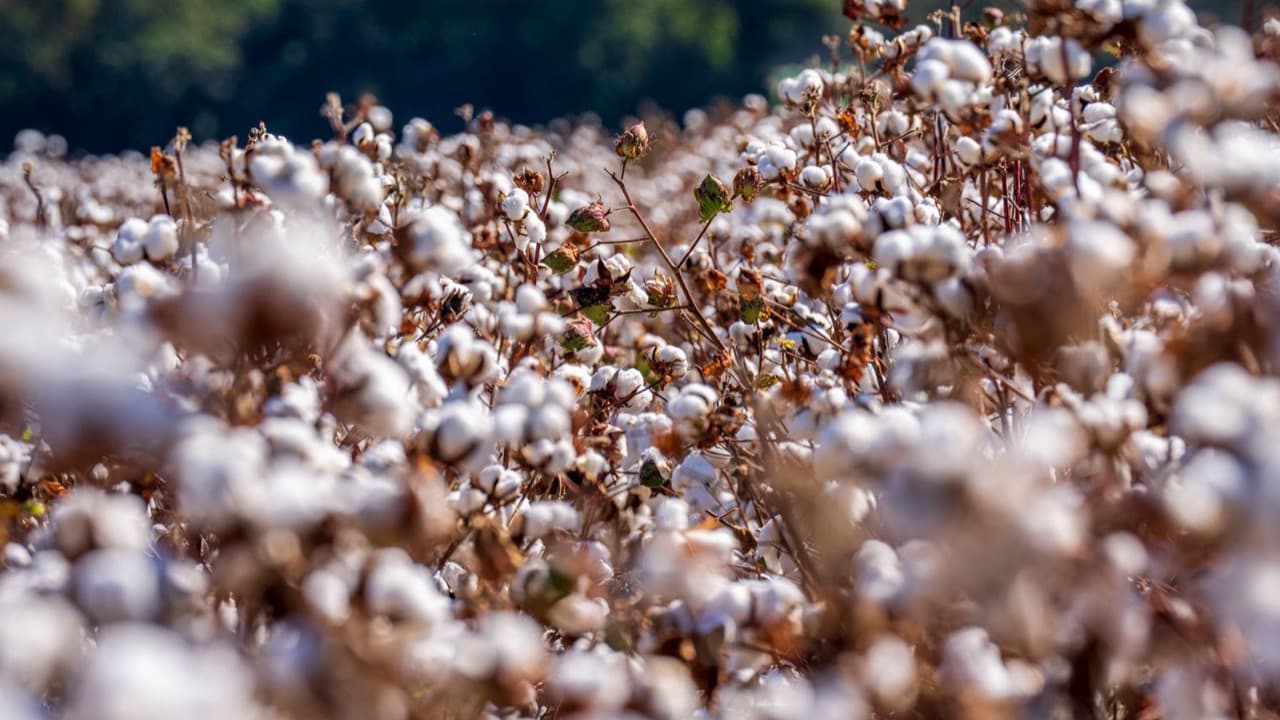
- Cotton acreage shrank 35% to 29.66 lh from 45.36 lh.
- Total oilseeds area is down 53.3% at 16.99 lh versus 36.41 lh.
In pulses, arhar (pigeon pea) sowing stands at just 3.56 lh against 8.45 lh a year ago (–57.9%), while urad dropped to 1.07 lh from 2.51 lh (–57.4%). Moong was relatively stable at 8.37 lh versus 8.63 lh.
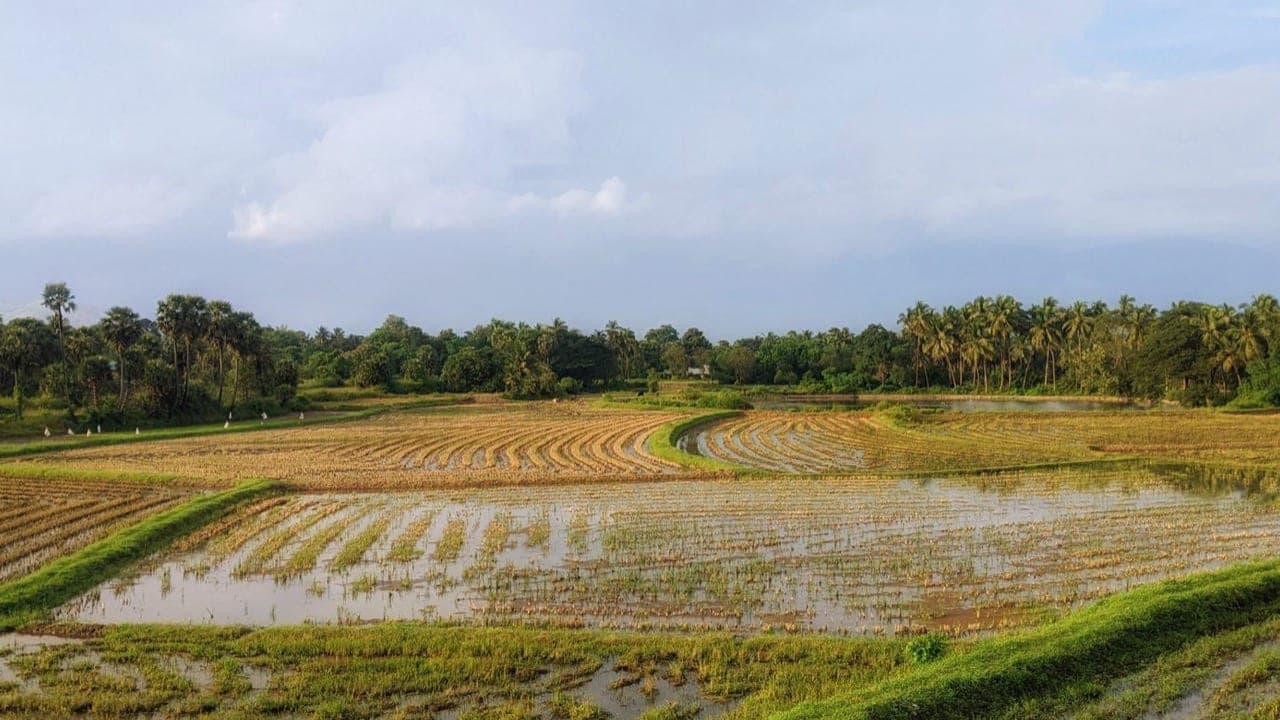
Paddy, the kharif season's principal cereal, has been transplanted in 25.75 lh against 34.41 lh last year, a fall of 25.2%. Among coarse cereals, only jowar bucked the trend, rising to 3.38 lh from 2.70 lh, while bajra, ragi, and maize all declined.
Monsoon watch
Erratic Advance Keeps July Outcome Uncertain
The South-West Monsoon made its onset on June 4 but has since progressed erratically, leaving large swathes of key agricultural states under-watered during the critical early sowing window.
The India Meteorological Department indicated that conditions were becoming favourable for further monsoon advance into parts of Gujarat, Madhya Pradesh, remaining areas of Chhattisgarh, Jharkhand and Bihar, and some parts of Uttar Pradesh and Uttarakhand over the following two days.
Officials have stressed that the sowing window has only just opened and that July is the most decisive month for kharif crop establishment. A sustained two-week revival in rainfall, they noted, could still generate meaningful progress in sowing — even if replicating last year's pace, which benefited from an exceptionally strong monsoon, is unlikely. The broader concern is the Super El Niño forecast, which raises the risk of a prolonged deficit beyond the early-season shortfall already recorded.
What it means
Production Risk Builds; Traders and Policymakers Put on Alert
Agricultural officials have been careful to characterise current data as an early signal rather than a definitive forecast, given that the bulk of kharif sowing typically occurs through July and into August. Nevertheless, the scale of the early deficit — particularly in oilseeds and pulses, where India is already structurally dependent on imports — means supply-side risks are real and rising.
For commodity traders, the steep drop in soybean and groundnut acreage is especially consequential, pointing to potential tightening of edible oil availability in the October–December window. Cotton traders and textile exporters will similarly be monitoring whether a monsoon revival can rescue acreage in Gujarat and Maharashtra.
For policymakers, the data raises early questions about whether import quotas, buffer stocks, and price stabilisation tools may need to be mobilised ahead of schedule. The next four weeks of rainfall data will be closely scrutinised across government, trade, and farming communities alike.
Why it matters
A 23% drop in early kharif coverage, compounded by a looming Super El Niño forecast, is an early warning signal for India's foodgrain, edible oil, and fibre supply chains. Pulses and oilseeds — commodities where India already relies on imports to bridge domestic shortfalls — are registering the steepest acreage declines, which could tighten domestic availability and pressure prices later in the year. Policymakers and commodity traders should watch July monsoon progress closely, as officials have identified the next fortnight's rainfall as the decisive window for sowing recovery. If the deficit persists, procurement planning, buffer stock strategy, and import policy may all need recalibration before the season closes.
Frequently asked
How much has kharif sowing fallen this year compared to last year?
Total kharif acreage as of June 25 stood at 182.72 lakh hectares, down 22.7% from 236.46 lakh hectares at the same point last year, according to Agriculture Ministry data.
Which kharif crops have seen the steepest decline in sowing area?
Soybean has recorded the sharpest fall at 65.3%, dropping to 6.92 lakh hectares from 19.97 lakh hectares. Arhar and urad are each down by over 57%, while oilseeds as a whole are down 53.3% and cotton is down 34.6%.
What is the current state of the monsoon, and why does July matter?
As of June 29, the monsoon was 42% deficient. Officials and meteorologists have identified July as the most critical month for kharif sowing. A sustained revival over the next fortnight could improve crop coverage, though matching last year's pace — when India had a strong monsoon — is considered unlikely.
Which crop is the only major kharif crop to show an increase in acreage?
Sugarcane is the only major kharif crop to record a rise in area, with acreage up marginally to 57.31 lakh hectares from 56.64 lakh hectares a year ago. Planting for sugarcane begins earlier than other kharif crops.
This is an original IndianAgri report. The analysis and India context are IndianAgri's own.