Up to 83% Rainfall Deficit Puts Kashmir's Apple and Paddy Crops at Risk
An extended dry spell has pushed Shopian to an 83% rainfall deficit, stressing Kashmir's apple orchards with fruit cracking risks and leaving Kulgam's paddy fields cracked and parched ahead of a critical growing window.
The short answer
A severe rainfall deficit across key districts of Jammu and Kashmir — as high as 83% in Shopian — is damaging apple orchards and drying out paddy fields during a critical growth phase. Horticulture experts warn of fruit cracking and lenticel blotch in apple crops, while paddy farmers in south Kashmir's Kulgam district report drought-like conditions with hardened, cracked soil. The India Meteorological Department has forecast widespread rains beginning July 19, with peak activity expected on July 21 and 22.
The deficit
Districts Parched: Shopian Leads a Valley-Wide Dry Spell
IMD data covering June 1 to July 15 paints a stark picture of moisture deprivation across Jammu and Kashmir's key farming districts. Shopian has recorded the steepest shortfall, receiving only 14.4 mm of rainfall against a normal of 83.5 mm — a deficit of 83 per cent. Kulgam follows at 63 per cent below normal, while Budgam and Srinagar have each fallen 53 per cent short, and Bandipora lags by 52 per cent.
The cumulative effect of this prolonged dry spell has extended well beyond statistical anomaly — soil has hardened, irrigation channels have run dry, and two of the Valley's most economically vital crops are now caught in the crossfire at precisely the wrong time in their growth cycles.
Apple orchards
Fruit Quality Under Threat as Moisture Stress Mounts
Apple cultivation is the backbone of Kashmir's horticulture economy, generating 20 to 22 lakh tonnes of produce annually and supporting the livelihoods of nearly 35 lakh people directly or indirectly. That economy is now under strain.
Horticulture experts warn that the absence of adequate rainfall is intensifying moisture stress in orchards precisely as the crop enters a critical fruit development phase. Tariq Rasool, Associate Professor at Sher-e-Kashmir University of Agricultural Sciences and Technology (SKUAST)-Kashmir, cautioned that if dry conditions persist, growers will likely see a surge in physiological disorders — particularly fruit cracking and lenticel blotch — both of which reduce marketable quality and depress farm-gate value.
For traders and commission agents who depend on consistent apple grades, any significant outbreak of these disorders could compress margins and disrupt supply chains heading into the peak harvest and despatch season.
The continuing rainfall deficit is creating stress in orchards and, if conditions persist, growers could witness more cases of fruit cracking and lenticel blotch, affecting fruit quality and market value.
Paddy fields
South Kashmir Farmers Watch Their Fields Crack and Harden
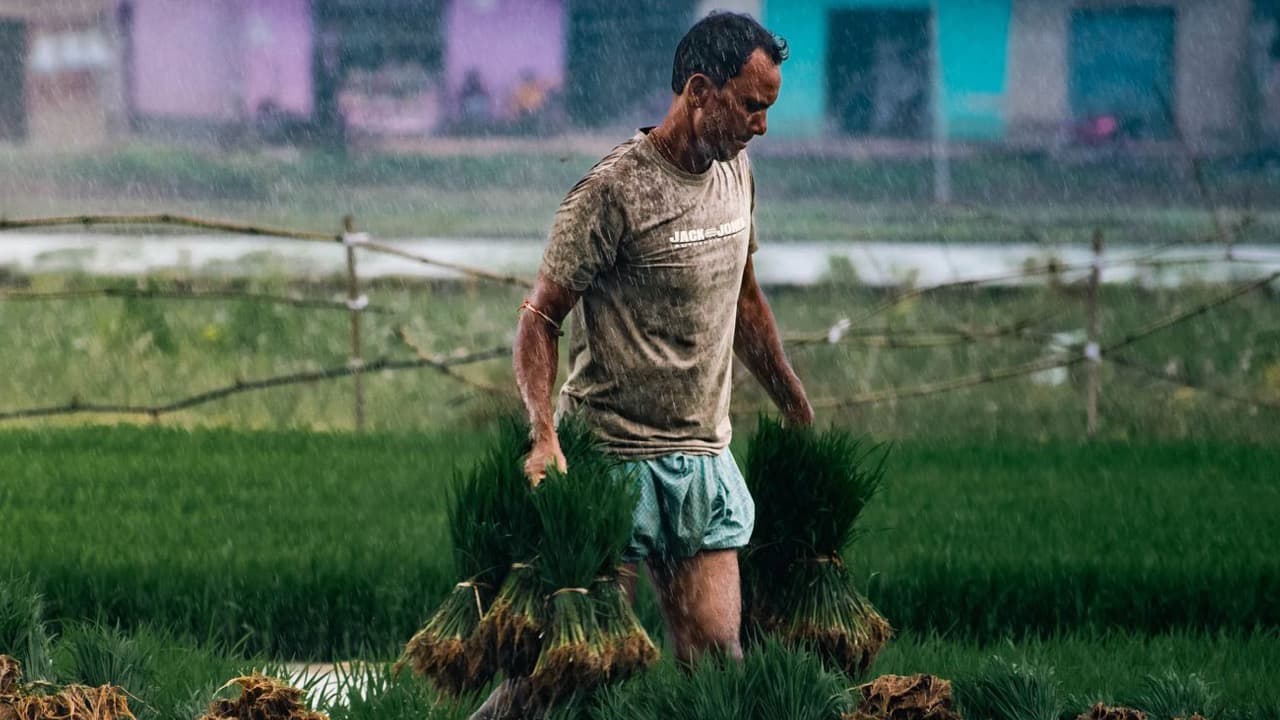
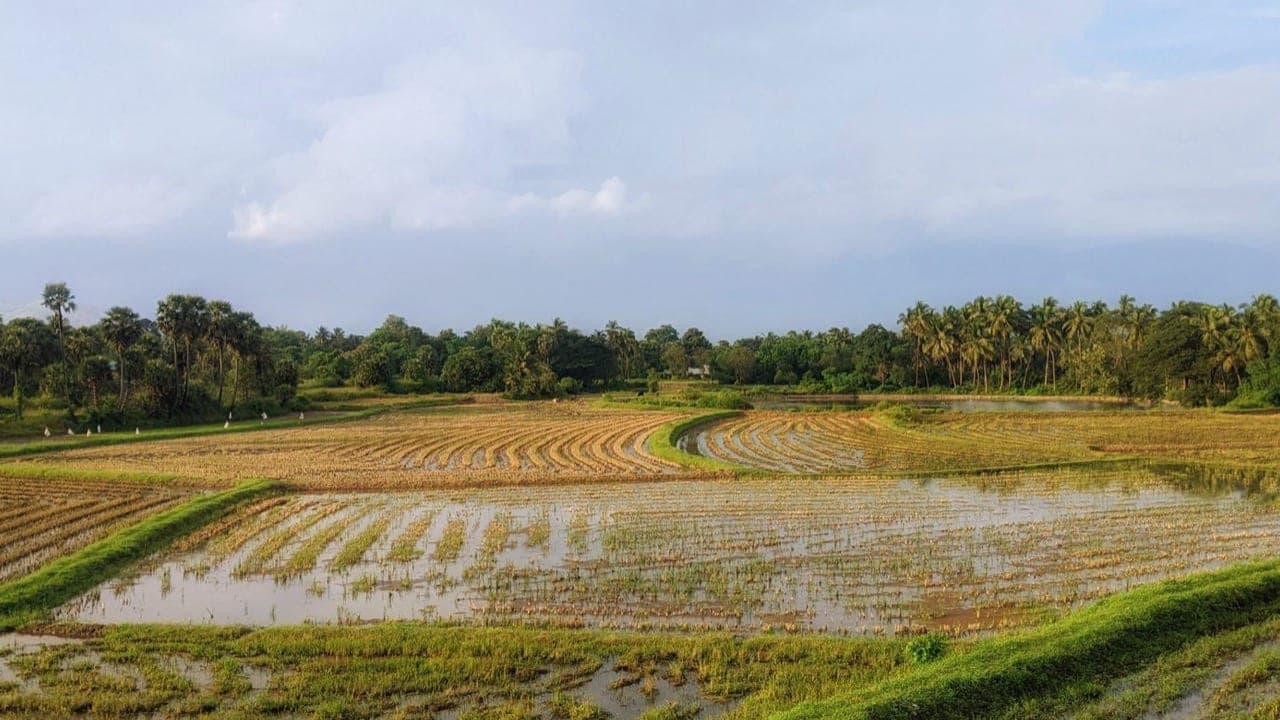
Paddy, the Valley's principal food crop cultivated across thousands of hectares, is faring no better. In south Kashmir's Kulgam district — already recording a 63 per cent rainfall deficit — irrigation channels have run critically low, and villages including YK Pora, Khar Gund, Chowgam, and Churat are facing conditions that farmers describe as drought-like.
Abdulla Rashid, a Kulgam farmer, described fields that have turned into a hard surface with deep cracks opening in the soil, leaving paddy plants struggling to establish. He warned that without imminent rain or the restoration of irrigation water, a substantial portion of the crop could be lost.
Farmers across the district note that severely hardened soil is impeding root development, and that the risk of widespread crop failure will escalate sharply if the dry conditions extend through the coming weeks.
What comes next
IMD Forecasts Relief from July 19, with Peak Rains on July 21–22
There is cautious optimism among growers. An IMD official, speaking to The Hindu BusinessLine, confirmed that widespread rainfall is expected to begin across the region from July 19, with the most intense activity forecast for July 21 and 22.
For apple growers, a timely and sustained downpour could ease moisture stress and reduce the incidence of physiological disorders before lasting damage to fruit sets in. For paddy farmers in Kulgam and neighbouring districts, rain in this window is critical — the crop cannot afford further soil hardening if it is to recover ground lost during the extended dry period.
However, farmers remain wary: expectations of monsoon relief have been disappointed before this season, and many say they will believe the forecast only when the rain arrives.
Why it matters
Kashmir's apple sector — producing 20 to 22 lakh tonnes annually and sustaining the livelihoods of nearly 35 lakh people — and the Valley's principal food crop, paddy, are both under simultaneous stress at a critical juncture. Should the forecast rains of July 19–22 fail to materialise or prove insufficient, traders and agri-businesses downstream face the risk of tighter apple supplies and compromised fruit quality, with potential knock-on effects on market prices. Policymakers will need to assess whether irrigation infrastructure in worst-affected districts such as Kulgam and Shopian is adequate to buffer against increasingly erratic monsoon patterns.
Frequently asked
Which districts in Jammu and Kashmir have recorded the highest rainfall deficits?
According to IMD data for June 1 to July 15, Shopian has recorded the highest deficit at 83%, followed by Kulgam at 63%, Budgam and Srinagar at 53% each, and Bandipora at 52%.
How is the dry spell affecting Kashmir's apple crop?
Horticulture experts at SKUAST-Kashmir warn that moisture stress is raising the risk of physiological disorders such as fruit cracking and lenticel blotch, which reduce fruit quality and market value, particularly as the crop is in a critical stage of fruit development.
What is the economic significance of apple cultivation in Kashmir?
Apple cultivation produces around 20 to 22 lakh tonnes annually and supports the livelihoods of nearly 3.5 million people in the Valley, directly or indirectly, making it the backbone of Kashmir's horticulture economy.
When is rainfall expected to return to Jammu and Kashmir?
An IMD official told The Hindu BusinessLine that widespread rains are expected to begin from July 19, with peak rainfall activity forecast for July 21 and 22.
Source
This report summarises and analyses coverage from The Hindu BusinessLine — Agri Business. The analysis and India context are IndianAgri's own.
Edited by Devendra Kumar Jha. How we report, source and correct: editorial policy. Spotted an error? Tell us.