Below-Normal July Rains and 'Super' El Niño Warning Shadow India's Kharif Season
After June rainfall crashed 39.8% below normal, the IMD has forecast below-normal July rains too — and Union Agriculture Minister Shivraj Singh Chouhan has warned a potential 'super' El Niño could directly threaten rainfed Kharif crops.
The short answer
India's June 2026 monsoon delivered just 99.5 mm of rain against a long-period average of 165.3 mm — a 39.8% deficit — and the India Meteorological Department now forecasts July will also be below normal, at less than 94% of the monthly average. Union Agriculture Minister Shivraj Singh Chouhan has warned that a potential 'super' El Niño could directly harm Kharif crops, especially in rainfed regions. The back-to-back deficits raise serious concerns for agriculture, water resources, hydropower, and drinking water availability.
The deficit
June Monsoon Posts Its Worst Shortfall in Recent Memory
India's Southwest monsoon delivered a sharply disappointing June. According to the India Meteorological Department, rainfall across all four meteorological subdivisions stood at just 99.5 mm against a long-period average of 165.3 mm — a deficit of 39.8%. That translates to a headline shortfall of roughly 40% for the month, marking a deeply troubled start to the monsoon season.
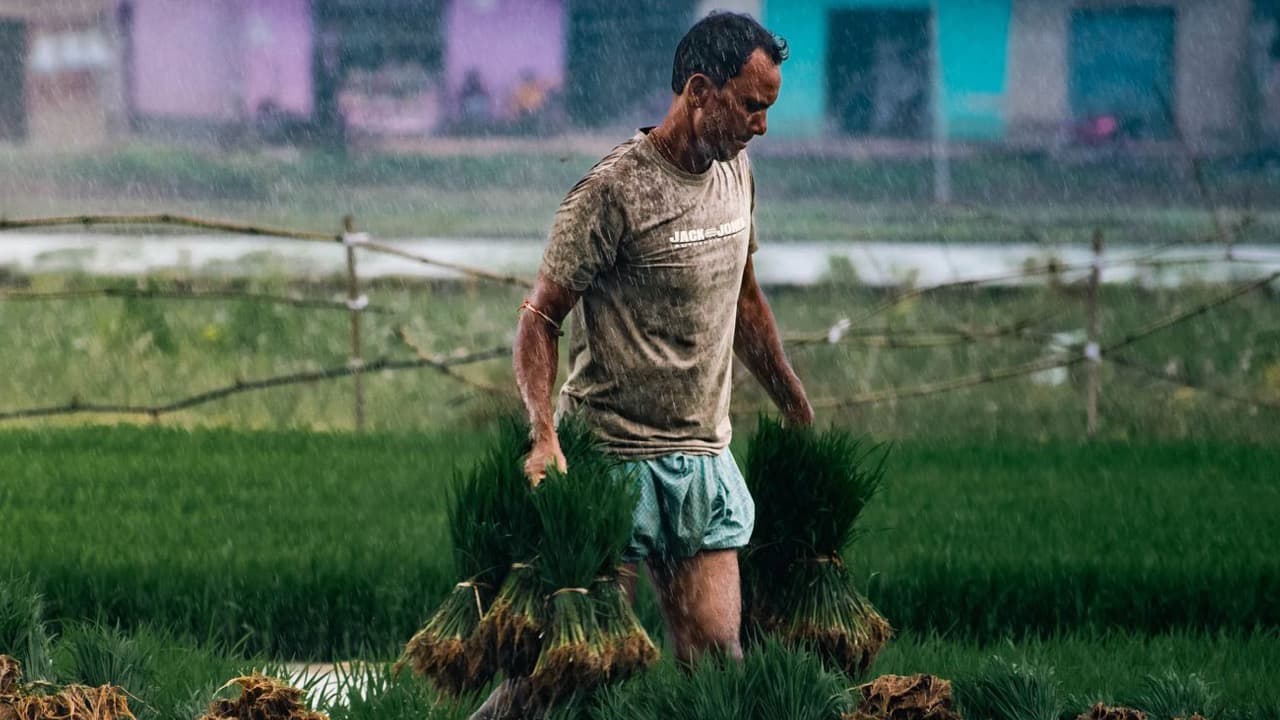
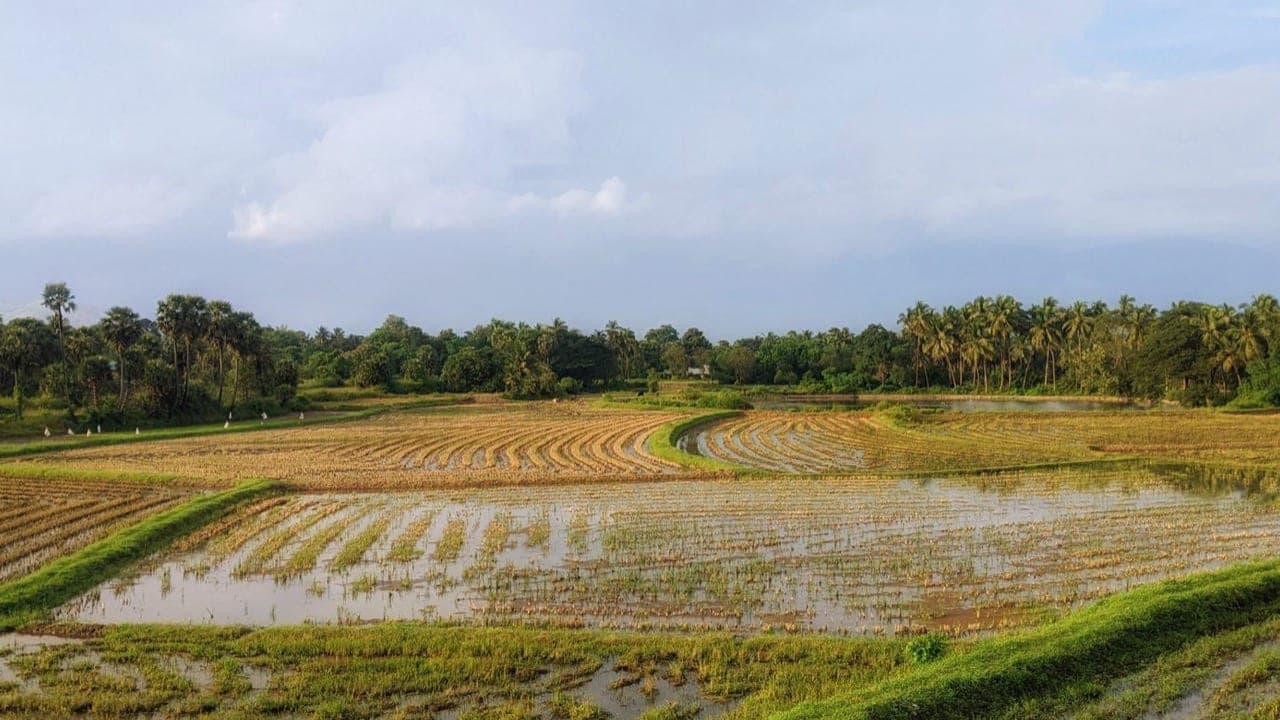
The erratic progression was already visible on the ground. In Kerala's Palakkad district — a key paddy-growing belt — the Southwest monsoon's uneven advance heightened concerns among farmers preparing seedlings for transplantation, reflecting how weather stress rapidly becomes agrarian stress in rainfed pockets.
The forecast
IMD Flags Below-Normal July, Warns of Cascading Risks
Rather than a corrective bounce, the IMD has forecast that July 2026 rainfall will also be below normal — defined as less than 94% of the monthly average. The agency has explicitly listed the sectors at risk from continued deficiency.
The IMD warned: "Below-normal rainfall can pose significant challenges for agriculture, water resources, hydropower generation, ecosystem sustainability, and drinking water availability."
For India's farm sector, a below-normal July is particularly damaging because the month coincides with the peak sowing window for Kharif crops — paddy, pulses, oilseeds, and coarse cereals — across the country's vast rainfed tracts. A second month of deficit rainfall could compress sown area and depress early crop establishment.
This could directly affect Kharif crops, particularly in rainfed regions where agriculture is heavily dependent on monsoon rains.
The El Niño alarm
Agriculture Minister Raises 'Super' El Niño Threat for Kharif Crops
The poor monsoon data comes weeks after Union Agriculture Minister Shivraj Singh Chouhan publicly flagged the threat of a potential 'super' El Niño — a more intense version of the periodic Pacific Ocean warming event that historically suppresses Indian monsoon rainfall.
Speaking to reporters on June 23, 2026, the Minister stated: "This could directly affect Kharif crops, particularly in rainfed regions where agriculture is heavily dependent on monsoon rains."
Rainfed agriculture accounts for a large share of India's cultivated area, making it the most vulnerable segment of the farm economy to any monsoon disruption. A 'super' El Niño scenario would amplify the rainfall deficits already recorded in June and could extend stress well into the second half of the season.
What to watch
Sowing Progress and IMD Updates Will Define the Season
With the Kharif sowing window now open across major producing states, actual area coverage data from the Agriculture Ministry will be the first hard indicator of how deeply the monsoon deficit is denting farm activity.
Key variables to monitor include:
- Weekly IMD rainfall bulletins for July — whether the deficit narrows or widens from the below-normal baseline
- Sowing progress reports for paddy, pulses, and oilseeds, particularly from rainfed states
- Reservoir levels, which will determine irrigation availability as a partial buffer for areas with canal infrastructure
- Any government contingency crop advisories, which typically accompany drought-watch declarations
For commodity traders, the combination of a 40% June deficit and a below-normal July forecast is sufficient grounds to reassess near-term supply assumptions for major Kharif commodities.
Why it matters
Two consecutive months of deficient monsoon rainfall, compounded by the spectre of a 'super' El Niño, put India's rainfed Kharif season — and the farm incomes dependent on it — under acute stress. For traders and agri-businesses, supply-side pressure on major Kharif commodities is now a live risk to watch. Policymakers will need to accelerate contingency crop planning and water conservation measures, particularly for the districts most exposed to monsoon failure. The IMD's July outlook and actual sowing progress over the coming weeks will be the critical early indicators.
Frequently asked
How much below normal was India's June 2026 monsoon rainfall?
According to the IMD, June 2026 rainfall was 99.5 mm against a long-period average of 165.3 mm — a deficit of 39.8% across all four meteorological subdivisions.
What has the IMD forecast for July 2026 rainfall?
The IMD has forecast below-normal rainfall for July 2026, defined as less than 94% of the usual monthly average, warning of challenges for agriculture, water resources, hydropower, and drinking water availability.
What did Agriculture Minister Shivraj Singh Chouhan say about El Niño?
On June 23, 2026, the Union Agriculture Minister warned that a potential 'super' El Niño could directly affect Kharif crops, particularly in rainfed regions heavily dependent on monsoon rains.
Which crops are most at risk from the monsoon deficit?
According to the Agriculture Minister, Kharif crops in rainfed regions are most vulnerable, as these areas depend almost entirely on monsoon rainfall with limited access to irrigation as a buffer.
Source
This report summarises and analyses coverage from The Hindu — Agriculture. The analysis and India context are IndianAgri's own.
Edited by Devendra Kumar Jha. How we report, source and correct: editorial policy. Spotted an error? Tell us.