Tomato
Solanum lycopersicum · Solanaceae (nightshades)
India's most price-volatile vegetable — grown year-round, stored almost not at all, and capable of moving from glut to shortage inside a single month.
Production · Tomato
20.60 MT
20,599 thousand tonnes — 2024-25 Final Estimates
Source: Horticulture Statistics Division, DA&FW
2024-25
In the IndianAgri Data Atlas
India's tomato production, 2024-25 — with the state-by-state series behind it, every figure dated and sourced.
20.6 million tonnes
Top producing states
All tomato data, by state and year →Key figures
Yield
≈25,435 kg/ha
about 103 quintals per acre — derived: production ÷ area
Top state
Andhra Pradesh
3.24 MT — and the highest yield of any major state
Horticulture Statistics Division, DA&FW · 2024-25
About tomato
Tomato is grown somewhere in India in every month of the year, across overlapping kharif, rabi and summer crops. That continuous supply is what keeps it on the plate year-round — and also what makes it fragile, because there is no stored surplus to draw on when a harvest fails.
Unlike onion, which is held in ventilated chawls for months, tomato has effectively no storage buffer at ordinary farm scale. A fortnight of heat or unseasonal rain in a supplying belt removes that supply from the market with no cushion behind it, which is why retail tomato prices can multiply several times over and fall back within a single season.
India is the world's second-largest tomato producer after China. Production is concentrated in the south and centre — Andhra Pradesh, Madhya Pradesh and Karnataka together grow more than 8 million tonnes, and the Kolar belt in Karnataka is the reference market much as Nashik is for onion.
Where it’s grown
Leading producing states
- 1Andhra Pradesh3.24 MT
- 2Madhya Pradesh2.70 MT
- 3Karnataka2.23 MT
- 4Odisha1.51 MT
- 5West Bengal1.36 MT
The state that plants the most tomato is not the one that grows the most. Odisha has the largest area of any state — about 98,700 hectares — but ranks fourth in output, because it averages 15.3 tonnes a hectare against Andhra Pradesh's 49.6 on two-thirds the land. Yield, not acreage, decides this crop.
How it’s grown
- Season
- Kharif, rabi and summer — grown year-round
- Sowing
- Kharif Jun-Jul; rabi Oct-Nov; summer Jan-Feb
- Harvest
- Roughly 90-120 days after transplanting, picked over several rounds
- Climate
- Warm, dry weather; fruit set fails in extreme heat and heavy rain
- Water
- Irrigated; highly responsive to drip and mulch
Major varieties
Arka Rakshak
An ICAR-IIHR hybrid with triple disease resistance; widely grown in the south.
Arka Samrat
A high-yielding IIHR hybrid, also bred for multiple disease resistance.
Pusa Ruby
A long-established IARI variety, early and widely adapted.
Pusa Rohini
An IARI variety popular for its firm, uniform fruit.
Kashi Aman
An ICAR-IIVR variety from Varanasi, suited to the eastern plains.
Widely grown released varieties (not an area-ranked list). The Arka series comes from ICAR-IIHR Bengaluru, the Kashi series from ICAR-IIVR Varanasi, and the Pusa series from IARI New Delhi. ICAR-IIHR — Indian Institute of Horticultural Research.
Economics & trade
Tomato has neither an MSP nor a buffer stock. It is one of the few major vegetables priced purely by the market — there is no announced support price, and unlike onion there is no meaningful government stock to release when prices spike. The result is the widest price swings of any crop on this site, in both directions.
Yield per acre. India's average tomato yield is about 25,435 kg per hectare — roughly 103 quintals, or 10.3 tonnes, an acre. The spread between states is the widest of any crop here: Andhra Pradesh averages 49.6 tonnes a hectare, Odisha 15.3. A grower's realistic yield depends far more on which belt and which practices than on the national figure.
Area fell, yield rose. The 2024-25 crop came in at 20.60 MT from 0.81 million hectares, against 21.32 MT from 0.85 million a year earlier — area down 5.2%, production down 3.4%, yield up nearly 2%. That is the opposite of onion, where a 27.7% expansion in area drove a record crop while yield slipped.
Why the estimate round matters here. The Third Advance Estimate put the 2024-25 crop at 19.47 MT; the Final Estimate revised it to 20.60 MT — 5.8% higher. For a crop this price-sensitive, a difference of a million tonnes between rounds is the difference between an expected shortage and an expected glut, which is why IndianAgri quotes Final Estimates wherever they exist.
Uses
- Consumed fresh as a daily cooking base across every Indian cuisine.
- Processed into puree, paste, ketchup and canned products, though India processes a small share of its crop compared with global peers.
- Sun-dried and powdered for the spice and ingredient trade.
Notable facts
- Tomato has no MSP and no buffer stock — it is priced entirely by the market.
- Andhra Pradesh grows the most tomato and also achieves the highest yield among major states, about 49.6 tonnes a hectare.
- Odisha plants the largest tomato area of any state but ranks only fourth in production.
- India is the world's second-largest tomato producer after China.
- The 2024-25 Final Estimate revised the crop up 5.8% from the Third Advance Estimate — a swing of more than a million tonnes.
Frequently asked
- What is the tomato yield per acre in India?
- India's average tomato yield is about 25,435 kg per hectare, which is roughly 103 quintals — 10.3 tonnes — per acre, derived from 20.60 million tonnes grown on 0.81 million hectares in 2024-25. State averages vary more than for any other major crop: Andhra Pradesh averages 49.6 tonnes a hectare and Odisha 15.3.
- How much tomato does India produce?
- India produced 20.60 million tonnes of tomato in 2024-25 according to the Final Estimates, down from 21.32 million tonnes the previous year. India is the world's second-largest producer after China.
- Which is the largest tomato-producing state in India?
- Andhra Pradesh, with 3.24 million tonnes in 2024-25, followed by Madhya Pradesh, Karnataka, Odisha and West Bengal. Andhra Pradesh also records the highest yield among major states.
- Is there an MSP for tomato?
- No. Tomato has neither a Minimum Support Price nor a government buffer stock, unlike onion. It is priced entirely by the market, which is a large part of why its retail price swings more violently than any other common vegetable.
- Why do tomato prices rise and fall so sharply?
- Because tomato is highly perishable and barely stored at farm scale, so there is no surplus to release when a harvest fails. A short spell of heat or unseasonal rain in a supplying belt removes that supply with no cushion behind it, and prices can multiply and fall back within a single season.
Latest tomato coverage
Updated automatically as new tomato coverage is published.
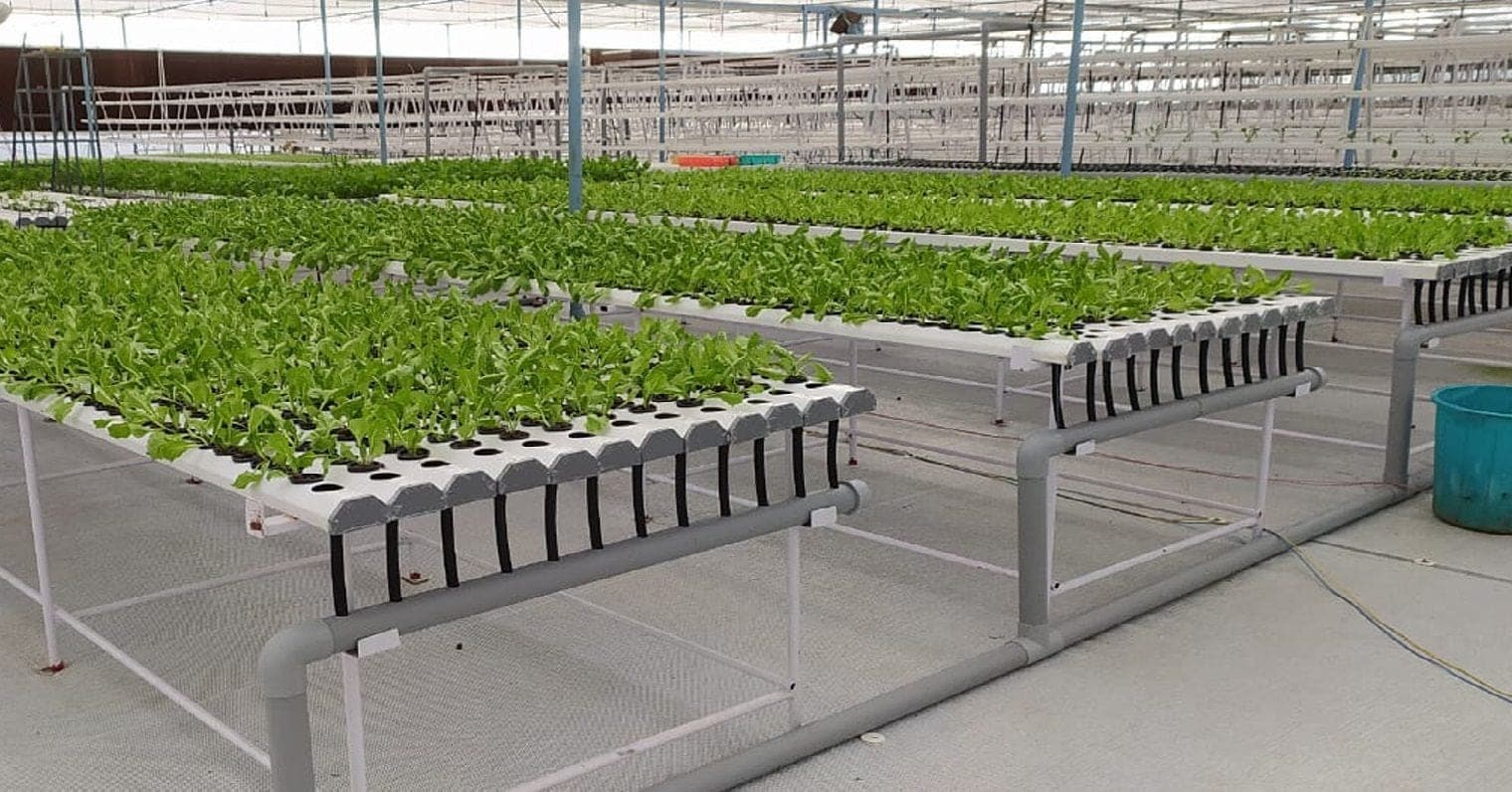
Yemineni: Fourteen Years Building Fertigation Controls for Indian Polyhouses
22 August 2026

If Farming Keeps Getting Smarter, Why Does Food Keep Getting Dearer?
17 August 2026
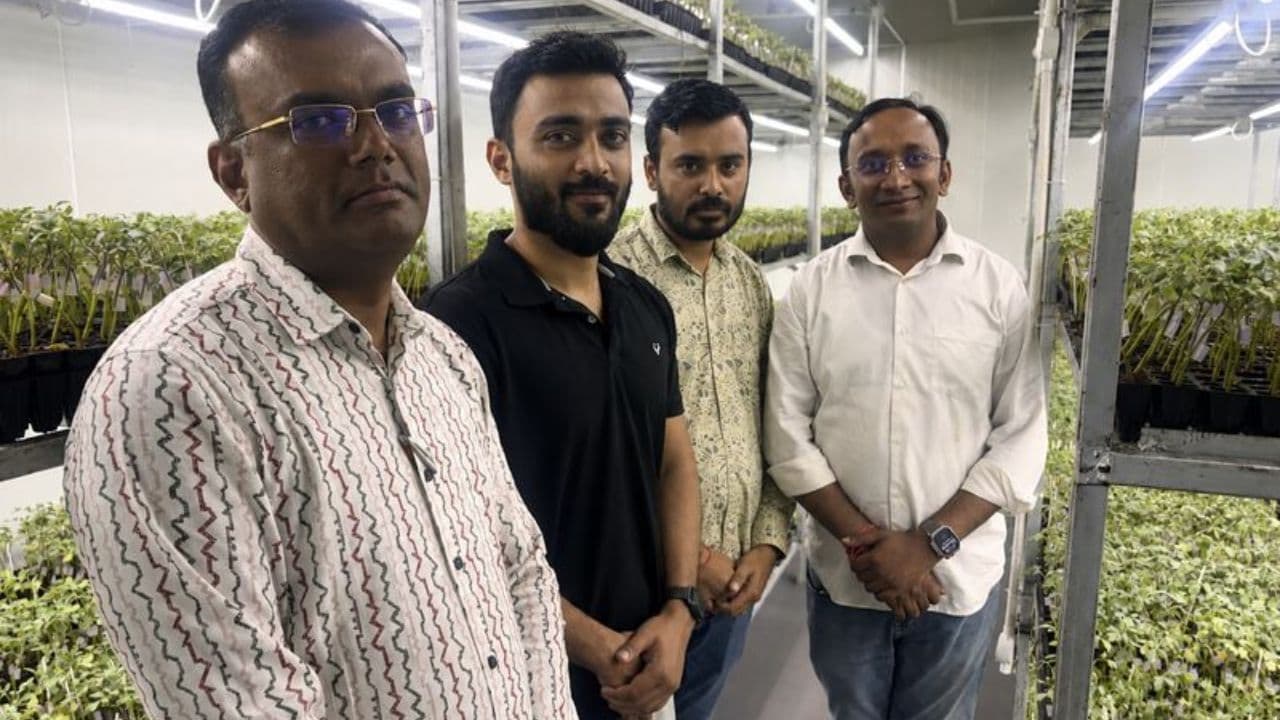
A Controlled Room in Bastar Cut Graft Mortality by More Than a Quarter
16 August 2026
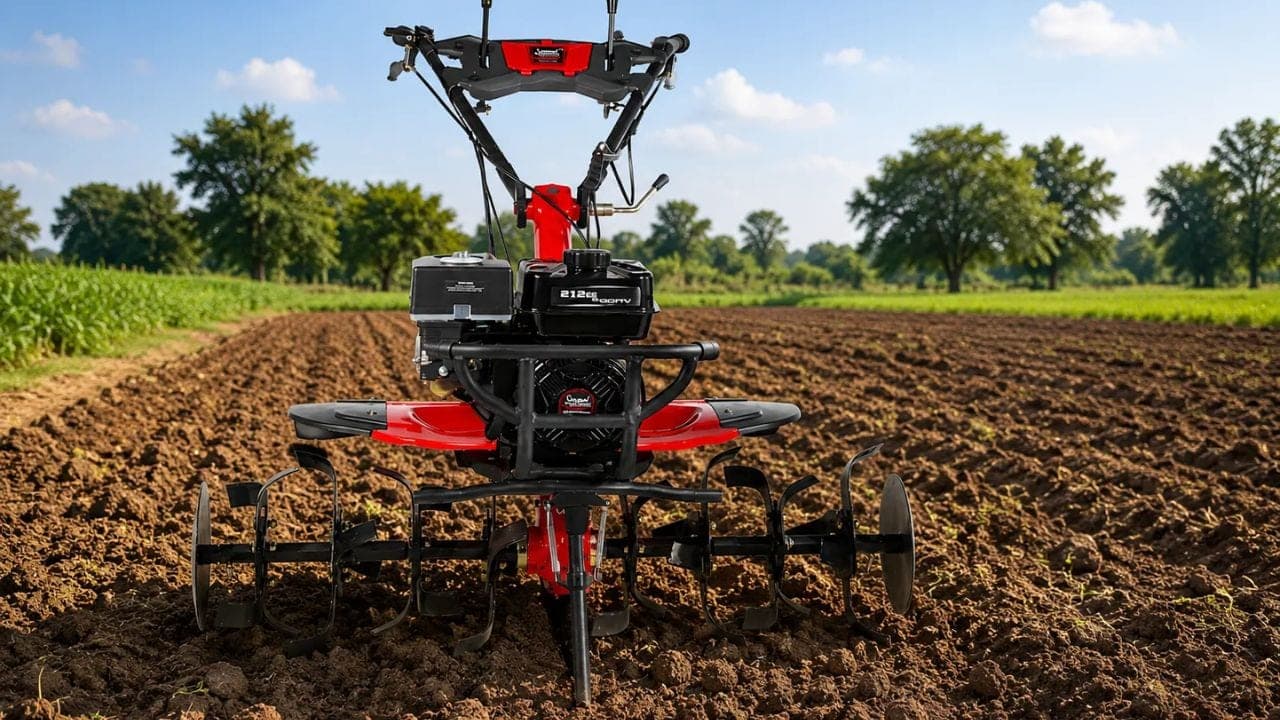
7 HP or 9 HP? Sizing a Power Weeder Without Overbuying
11 July 2026
India's Produce 'Waste' Is a Planning Crisis, Not a Cold Chain Crisis
4 July 2026
Retail Inflation Hits 4.38% in June, Highest Since December 2024; Ginger Surges 50% as Food Prices Cross 5%
13 July 2026
996 Kilograms of Mandarins: Why the North East Grows So Much and Exports So Little
19 August 2026